Posted on Leave a comment

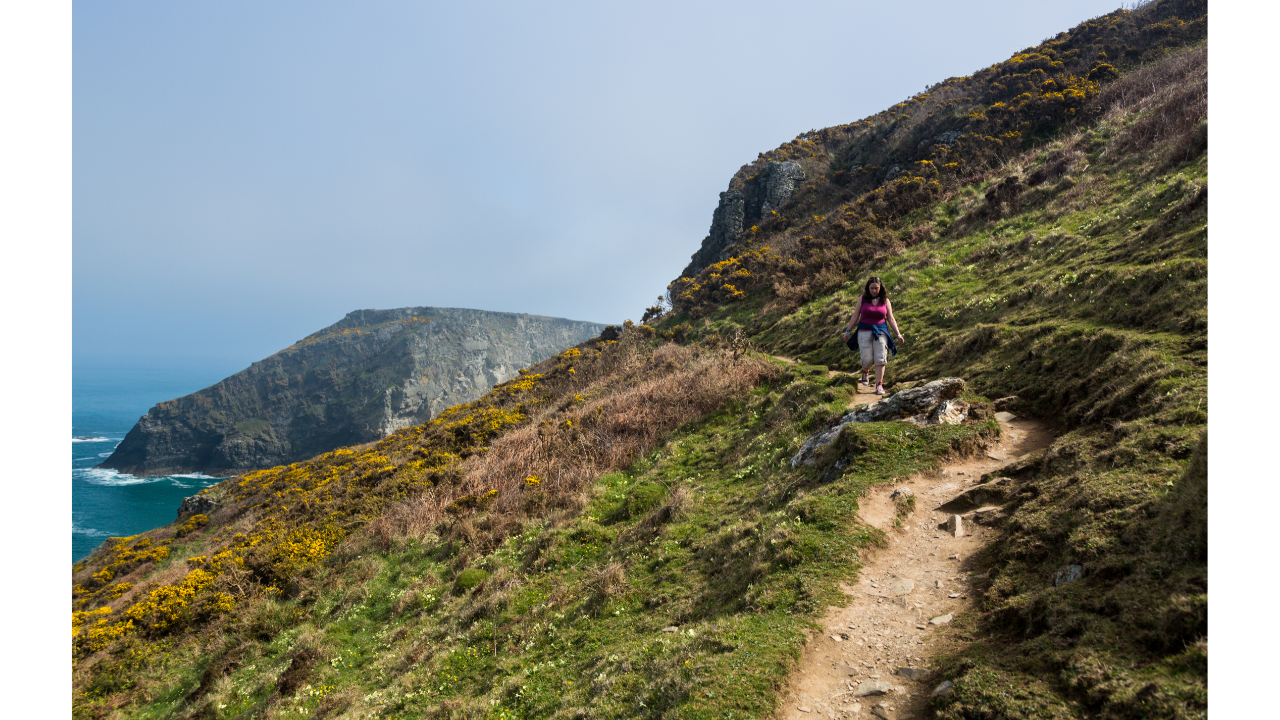
Madonna di Campiglio, Italy – 5 Lakes Hike

madonna-di-campiglio,-italy-–-5-lakes-hike

Trip report by BestHike editor Rick McCharles

I’d hiked out of Madonna di Campiglio in 2009. Loved it.

The Dolomites are one of our top 10 hiking regions of the world..

Mid-June 2023 I returned, wanting — this time — to do some of the famed via ferrata routes there.

Sadly, the cablecars going up high had not started yet. In fact, Madonna di Campiglio doesn’t really get going 100% for summer hiking until the end of June.

Instead, I did the most popular lower level day hike as it was the best available the one day I ended up staying.

I followed this route recommended on AllTrails:

5 Laghi: Ritort – Lambin – Gelato – Serodoli – Nambino

(AKA Giro dei cinque laghi)

This shorter (less expensive) Spinale cable car was running up from town. You loop 5 lakes in about 4-5 hours.

  • 11.91 km
  • 795 m elevation gain
  • starts at Mountain station 5 lakes 2065 m
  • medium difficulty due to rocky footing
Madonna di Campiglio

LAKES !

When the sun comes out, it’s lovely and warm in the Dolomites.

BUT both times I’ve hiked here, I’ve had afternoon rain almost every day — and sometimes lightning storms. Be prepared for bad weather.

I actually opted to hike all the way down past a sixth lake ( Nambino) — but would recommend the cable car both ways instead.

The hike was better than expected. A good workout with the next lake to look forward to around every corner.

Posted on Leave a comment

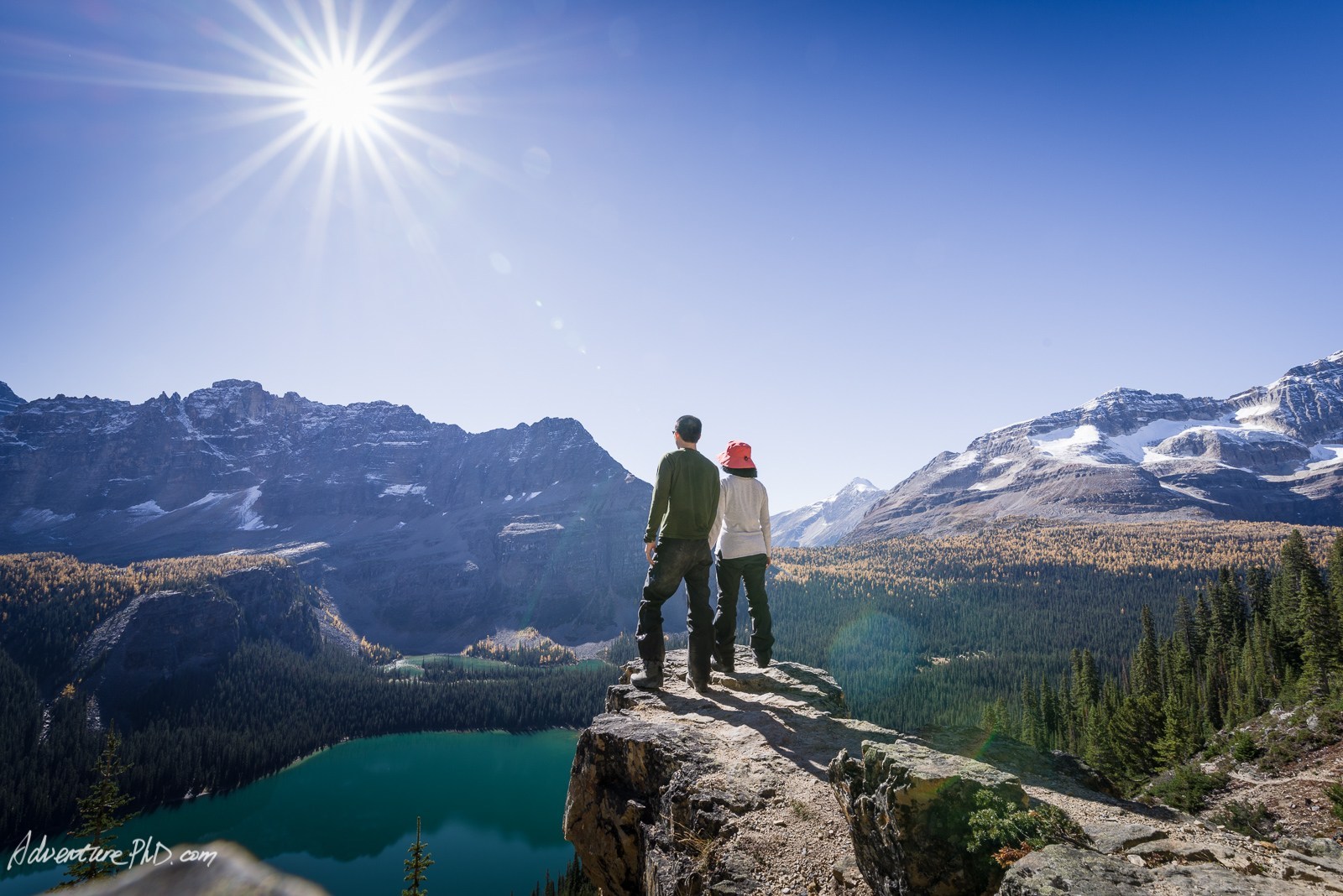
#6 day hike – Alpine Circuit, Lake O’Hara, Canada

#6-day-hike-–-alpine-circuit,-lake-o’hara,-canada

One of our top 10 day hikes in the world.

Why?

Many feel this is the most beautiful of the Canadian Rockies trails.

  • Yoho National Park in British Columbia near Banff, Alberta.
  • mid-June through the end of September (start and end dates vary) for example, bus operated for hikers and campers from June 19 to October 4, 2018
  • 11.6 km
  • perhaps 9 hours
  • perhaps 900 photos ????
  • highest point 2528 m
  • elevation gain 1012 m

World → N AmericaRockies → Canada → Alpine Circuit, Lake O’Hara

For details click over to our Alpine Circuit, Lake O’Hara information page.

Posted on Leave a comment

Best Hot Weather Hiking Tips

photo of the sun

Best Hot Weather Hiking Tips

Introduction

Hiking in hot weather requires special attention to ensure your safety and enjoyment on the trails. The scorching sun, high temperatures, and intense humidity can pose challenges and risks if you’re unprepared. In this comprehensive guide, we will provide you with the best hot weather hiking tips to keep you cool, hydrated, and protected during your outdoor adventures. From gear and clothing choices to hydration strategies and sun protection, we’ve got you covered. So, let’s dive in and discover how to make the most of your hot weather hikes!

Choosing the Right Clothing for Hot Weather Hiking

When it comes to hiking in hot weather, choosing the right gear and clothing is essential. Here are some tips to keep in mind:

  1. Opt for lightweight and breathable materials: Look for hiking clothes made from moisture-wicking fabrics that allow air circulation and quick drying. This helps to keep you cool and comfortable throughout the hike.
  2. Wear a wide-brimmed hat: A hat with a broad brim provides shade for your face, neck, and ears, shielding them from direct sunlight. It also helps to prevent overheating and sunburn.
  3. Invest in good-quality sunglasses: Protect your eyes from harmful UV rays by wearing sunglasses with UV protection. This reduces glare and enhances your visibility on the trail.
  4. Choose light-colored clothing: Light colors reflect sunlight and heat, keeping you cooler compared to dark-colored garments that absorb heat.
  5. Wear moisture-wicking socks and breathable hiking shoes: Keep your feet dry and comfortable by wearing moisture-wicking socks that help prevent blisters. Choose breathable hiking shoes that provide ventilation to avoid excessive sweating and discomfort.

Importance of Hydration

Staying properly hydrated is crucial for hiking in hot weather. Follow these hydration strategies to prevent dehydration and ensure optimal performance:

  1. Drink plenty of water: Start hydrating even before your hike begins. Carry an adequate amount of water based on the duration and intensity of your hike. A general guideline is to have at least one litre of water per hour of hiking. Adjust the quantity based on personal factors such as sweat rate and individual hydration needs.
  2. Use a hydration reservoir or water bladder: Consider using a hydration reservoir or a water bladder that fits inside your backpack. This allows for easy access to water without constantly stopping to reach for a water bottle.
  3. Replenish electrolytes: To replenish electrolytes lost through sweat, include electrolyte-rich drinks or snacks in your pack. Sports drinks, electrolyte tablets, and fruits with high water content are great options.

Planning Your Hike in Advance

Proper planning is essential for a safe and enjoyable hot weather hike. Consider the following tips:

  • Check the weather forecast before heading out. Avoid hiking during extreme heat or when heat advisories are in effect.
  • Start your hike early in the morning or later in the afternoon when temperatures are cooler. This minimizes exposure to the hottest part of the day.
  • Choose trails with shade, water sources, or swimming holes along the way. These features provide opportunities to cool down and stay refreshed.
  • Inform someone about your hiking plans, including your intended route and estimated return time. This ensures that someone knows where you are in case of an emergency.

Proper Sun Protection

Protecting yourself from the sun’s harmful rays is crucial during hot weather hikes. Follow these sun protection tips:

  1. Apply sunscreen: Apply a broad-spectrum sunscreen with a high SPF (Sun Protection Factor) to all exposed skin. Reapply regularly, especially after sweating or swimming.
  2. Wear a hat and sunglasses: In addition to sunscreen, wear a wide-brimmed hat to protect your face and neck from direct sunlight. Wear sunglasses with UV protection to shield your eyes from the sun’s glare and harmful UV rays.
  3. Use lip balm with SPF: Protect your lips from getting dry and sunburned by using lip balm with SPF.
  4. Consider UV-protective clothing: Consider wearing UV-protective clothing or lightweight long-sleeved shirts and pants to provide an extra layer of sun protection.

Sun Protection Products

[product_table id=”283212″]

Taking Advantage of Shade

Seeking shade along the trail can significantly help in managing the heat. Here’s how you can take advantage of shade during your hot weather hikes:

  1. Plan your hike strategically: Start your hike early in the morning or later in the afternoon when the sun’s intensity is lower. This allows you to enjoy cooler temperatures and more shade.
  2. Identify shaded areas on the trail: Before heading out, study the trail map or do some research to identify sections of the trail that offer shade. Plan your breaks and rest stops accordingly.
  3. Take frequent breaks in shaded areas: Whenever you come across shaded areas, take the opportunity to rest, cool down, and rehydrate. This helps to regulate your body temperature and prevent overheating.

Trail Etiquette and Safety

Being mindful of trail etiquette and safety practices ensures a positive hiking experience for everyone. Consider the following guidelines:

  • Stay on marked trails to avoid trampling fragile vegetation and disturbing wildlife habitats.
  • Yield to uphill hikers and give way to faster-moving hikers or trail runners.
  • Pack out all your trash and leave no trace of your visit. Keep nature pristine and beautiful for future hikers.
  • Carry a first aid kit and be familiar with basic first aid techniques. This allows you to handle minor injuries or provide assistance until help arrives.

Maintaining Energy Levels

Hiking in hot weather can be physically demanding. Here are some tips to maintain your energy levels throughout the hike:

  • Fuel your body with nutritious snacks that provide sustained energy, such as trail mix, energy bars, fresh fruit, or jerky.
  • Consume small, frequent meals rather than heavy meals that can make you feel lethargic.
  • Avoid sugary drinks and foods that can cause energy crashes. Opt for natural sources of sugar like fruits or honey.
  • Take short breaks to rest and refuel. Find a shady spot, sit down, and enjoy a snack to recharge.

Popular Energy Snacks

[product_table id=”283502″]

FAQs

What should I wear for hot weather hiking?

When it comes to hot weather hiking, wearing the right clothing can make a significant difference in your comfort level on the trails. Here are some tips to help you choose the best clothing for hot weather hikes:

  • Opt for lightweight and breathable materials: Select clothing made of moisture-wicking materials such as synthetic blends or merino wool. These fabrics are designed to pull sweat away from your skin and evaporate it quickly, keeping you dry and cool.
  • Choose loose-fitting garments: Loose-fitting clothing allows for better airflow, promoting ventilation and preventing overheating. Avoid tight-fitting clothes that can trap heat and restrict your movement.
  • Look for UPF-rated clothing: UPF (Ultraviolet Protection Factor) clothing is specifically designed to block harmful UV rays from the sun. It provides an added layer of protection against sunburn and reduces the risk of skin damage. Seek clothing items with a high UPF rating for optimal sun protection.
  • Opt for light-coloured clothing: Light-coloured clothing reflects sunlight, helping to keep you cooler compared to dark-coloured garments that absorb heat. Light shades such as white, pastels, and light greys are ideal choices for hot weather hikes.
  • Consider clothing with ventilation features: Look for clothing with built-in ventilation features such as mesh panels, vents, or zippered openings. These additions enhance airflow and allow heat to escape, keeping you more comfortable during your hike.
  • Don’t forget about headwear: Along with your clothing, wearing a hat is essential for protecting your head and face from direct sunlight. Opt for a wide-brimmed hat made of breathable material to shield your face, neck, and ears from the sun’s rays. This can help prevent sunburn and keep you cooler.

Remember, the goal is to choose clothing that promotes airflow, wicks away moisture, and provides protection from the sun. By wearing lightweight and breathable garments made of moisture-wicking materials, you can stay comfortable and cool even in the hottest of conditions during your hiking adventures.

How much water should I bring on a hot weather hike?

Staying hydrated is crucial when hiking in hot weather to prevent dehydration and heat-related illnesses. Here are some tips to help you determine how much water to bring:

  • Consider the duration and intensity of your hike: Longer and more strenuous hikes will require more water to replenish fluids lost through sweating. Assess the estimated duration and difficulty level of your hike to gauge your hydration needs.
  • Follow the one-litre-per-hour guideline: As a general rule of thumb, aim to carry at least one litre of water per hour of hiking. This guideline provides a starting point for hydration planning.
  • Take personal factors into account: Everyone’s hydration needs differ, so consider your sweat rate, body size, and personal preferences. If you tend to sweat heavily or have a larger body size, you may need to increase your water intake. Likewise, if you know from past experience that you require more fluids, adjust accordingly.
  • Plan for refilling opportunities: Depending on the length of your hike and the availability of water sources along the trail, plan for opportunities to refill your water supply. Research the trail beforehand or speak to local authorities to identify reliable water sources or refill stations.
  • Monitor your hydration status: Pay attention to your body’s hydration signals during the hike. If you feel thirsty, it’s a sign that you need to drink more water. Keep an eye out for other signs of dehydration, such as dry mouth, dizziness, or dark-colored urine. If any of these symptoms arise, take a break, find shade, and rehydrate.
  • Consider electrolyte replenishment: In addition to water, your body also loses electrolytes through sweating. Consider bringing electrolyte-rich drinks or snacks to replenish these essential minerals. Sports drinks, electrolyte tablets, or electrolyte-infused snacks can help maintain electrolyte balance during prolonged hikes.

Remember, it’s better to carry more water than less, especially when hiking in hot weather. Dehydration can lead to serious health risks, so prioritize hydration and plan accordingly to ensure you have an adequate water supply for your hike.

Are there any specific precautions for hiking in hot weather?

When embarking on a hike in hot weather, it’s essential to take precautions to protect yourself from the intense heat and sun. Here are some valuable tips to consider:

  • Time your hike wisely: Plan your hike during the cooler parts of the day, either early in the morning or late in the afternoon. This allows you to avoid the peak heat hours and reduces your exposure to extreme temperatures.
  • Seek shade whenever possible: Take advantage of natural shade provided by trees, rock formations, or other structures along the trail. Resting in shaded areas helps lower your body temperature and provides relief from the direct sun.
  • Wear proper sun protection: Shield yourself from harmful UV rays by wearing a wide-brimmed hat, sunglasses with UV protection, and sunscreen with a high SPF rating. Apply sunscreen generously to all exposed skin, including your face, neck, arms, and legs. Reapply sunscreen regularly, especially if you’re sweating profusely or spending extended periods outdoors.
  • Dress appropriately: Choose lightweight and breathable clothing that covers your skin to minimize sun exposure. Opt for long-sleeved shirts, pants, or skirts made of moisture-wicking materials that offer UPF (Ultraviolet Protection Factor) for added sun protection. Light-coloured clothing reflects sunlight and helps keep you cooler than dark colours.
  • Stay hydrated: Drink water regularly to maintain proper hydration. Carry an adequate supply of water and drink at regular intervals, even if you don’t feel thirsty. Remember that thirst is not always an accurate indicator of your hydration status. Keep a reusable water bottle handy and consider using a hydration bladder for easy access to water while hiking.
  • Take breaks and rest: Listen to your body and take breaks as needed. Find shaded areas or sit on a rock or log to rest and cool down. Use this time to rehydrate, eat snacks, and allow your body to recover from the exertion and heat.

By following these tips, you can mitigate the risks of hiking in hot weather and ensure a safer and more enjoyable experience on the trails. Remember, your health and well-being should always be a priority, so take the necessary precautions to protect yourself from the heat and sun.

What are the signs of heat exhaustion and heat stroke?

It’s crucial to be aware of the signs of heat-related illnesses while hiking in hot weather. Recognizing the symptoms allows you to take prompt action and seek help if necessary. Here are some common signs to watch out for:

  1. Heat Exhaustion: This is a milder form of heat-related illness. Symptoms may include:
    • Heavy sweating
    • Dizziness or light-headedness
    • Nausea or vomiting
    • Headache
    • Muscle cramps
    • Weakness or fatigue
    • Cool, moist skin with goosebumps

    If you or someone in your group experiences these symptoms, it’s essential to take immediate measures to cool down and rehydrate. Find shade, remove excessive clothing, drink cool fluids, and rest. If the symptoms worsen or persist, seek medical attention.

  2. Heat Stroke: Heat stroke is a severe condition that requires immediate medical attention. It is characterized by the body’s inability to regulate its temperature, resulting in a dangerously high body temperature. Symptoms of heat stroke may include:
    • High body temperature (above 103°F/39.4°C)
    • Confusion or disorientation
    • Rapid heartbeat or pulse
    • Flushed, hot, and dry skin
    • Lack of sweating, despite the heat
    • Rapid, shallow breathing
    • Throbbing headache
    • Nausea or vomiting
    • Loss of consciousness or seizures

    If someone exhibits signs of heat stroke, it is crucial to act quickly. Call emergency services immediately and take immediate steps to cool the person down while waiting for help. Move them to a shaded area, remove excess clothing, and cool their body using damp towels or by pouring cool water on their skin.

Remember, heat-related illnesses can be life-threatening, and prompt medical attention is essential for heat stroke cases. It’s important to stay vigilant, take regular breaks, stay hydrated, and listen to your body’s signals while hiking in hot weather. By being aware of the signs and taking appropriate measures, you can ensure your safety and that of your fellow hikers.

Can I hike during the hottest hours of the day?

When hiking in hot weather, it’s advisable to plan your hiking schedule wisely. The hottest hours of the day, typically between 10 a.m. and 4 p.m., can expose you to intense heat and potentially increase the risk of heat-related issues. Whenever possible, it’s best to avoid hiking during these peak hours.

However, if your hiking plans necessitate being on the trail during the hottest part of the day, it’s crucial to take extra precautions to protect yourself from the sun’s harmful rays and minimize the risk of heat-related illnesses. Here are some essential tips to keep in mind:

  • Wear Appropriate Sun Protection: Shielding yourself from the sun is crucial to prevent sunburn and reduce the risk of heat-related issues. Apply a broad-spectrum sunscreen with a high SPF rating (at least 30) to all exposed skin, including your face, neck, arms, and legs. Wear a wide-brimmed hat or a cap with a neck flap to protect your face and neck from direct sunlight. Don’t forget to wear sunglasses to safeguard your eyes from harmful UV rays.
  • Stay Well-Hydrated: Hydration is key when hiking in hot weather. Drink plenty of fluids before, during, and after your hike. Water is the best choice, but you can also consider electrolyte-rich drinks to replenish essential minerals lost through sweating. Remember to bring an adequate supply of water and a water purification method if necessary. Aim to drink regularly, even if you don’t feel excessively thirsty, as thirst is not always a reliable indicator of hydration needs.
  • Seek Shade Frequently: Whenever possible, take advantage of shaded areas along the trail. Resting in shaded spots can provide temporary relief from the direct heat of the sun and help regulate your body temperature. Look for trees, rock formations, or any other natural shelters to take short breaks and allow your body to cool down.

By avoiding the hottest hours, practicing sun protection measures, staying hydrated, and seeking shade when needed, you can minimize the risk of heat-related issues during your hot weather hikes. Remember to listen to your body, pace yourself, and adjust your plans accordingly to ensure a safe and enjoyable hiking experience.

What are some tips for staying cool during a hot weather hike?

To beat the heat and stay cool during a hot weather hike, it’s important to take proactive measures to regulate your body temperature. Here are some valuable tips to help you stay comfortable on the trail:

  • Wear Breathable Clothing: Choose lightweight and breathable clothing made from moisture-wicking materials. These fabrics are designed to pull sweat away from your body, allowing it to evaporate quickly and keeping you cool. Opt for loose-fitting garments that promote airflow and consider wearing light-colored clothing to reflect the sunlight and reduce heat absorption.
  • Use Sun Protection: Protecting yourself from the sun’s rays is crucial in hot weather. Wear a wide-brimmed hat or a cap with a neck flap to shield your face and neck from direct sunlight. Apply sunscreen with a high SPF rating to exposed skin, and reapply it regularly according to the product’s instructions. Don’t forget to protect your eyes with sunglasses that provide UV protection.
  • Stay Hydrated: Hydration is key to maintaining your body’s temperature and overall well-being during a hot weather hike. Drink plenty of water before, during, and after your hike. Carry a sufficient amount of water with you and sip regularly to stay hydrated. If you anticipate a long hike, consider bringing a hydration bladder or water filter to replenish your water supply along the trail.
  • Seek Shade and Rest: When the sun’s intensity becomes overwhelming, take advantage of shaded areas along the trail. Look for trees, rock formations, or any other natural shelters where you can rest and cool down. Take short breaks in these shaded spots to allow your body to recover from the heat.
  • Consider Cooling Accessories: Cooling accessories can provide instant relief during hot weather hikes. Carry a bandana that you can soak in cold water and wrap around your neck or forehead. This can help cool your body temperature through evaporation. Alternatively, you can use a cooling towel that retains water and stays cool for an extended period. Simply wet the towel, wring out the excess water, and drape it around your neck or over your head to enjoy the refreshing sensation.

By following these tips, you’ll be better equipped to stay cool and comfortable during your hot weather hikes. Remember to listen to your body, pace yourself, and take necessary breaks to ensure a safe and enjoyable hiking experience.

Conclusion

With the right knowledge and preparation, hiking in hot weather can be an enjoyable and rewarding experience. Remember to choose appropriate clothing, stay hydrated, plan your hike wisely, protect yourself from the sun, take advantage of shade, and practice trail etiquette and safety. By following these best hot weather hiking tips, you’ll stay comfortable, safe, and ready to explore the beauty of the great outdoors even in the hottest conditions.


Posted on Leave a comment

How to Prevent Toe Squeeze in Your Hiking Shoes While Hiking Downhill

female hiker using trekking poles walking down a steep slope

How to Prevent Toe Squeeze in Your Hiking Shoes While Hiking Downhill

Introduction

Hiking is a wonderful outdoor activity that allows you to connect with nature, challenge yourself physically, and enjoy breathtaking views. However, when hiking downhill, one common issue hikers face is the discomfort and potential pain caused by their toes getting squeezed against the tip of their hiking shoes. This phenomenon, known as toe squeeze, can make the descent unpleasant and even lead to blisters or other foot problems. In this article, we will explore various techniques and tips to help you prevent toe squeeze while hiking downhill, ensuring a comfortable and enjoyable hiking experience.

1. Understanding Toe Squeeze: Causes and Consequences

Toe squeeze can be a bothersome issue that hikers encounter during downhill descents. When your toes are compressed against the front of your hiking shoes, it can lead to discomfort, pain, and potential foot problems. Understanding the underlying causes of toe squeeze is essential in order to prevent it and ensure a comfortable hiking experience. Several factors contribute to toe squeeze, including shoe fit, toe alignment, lacing techniques, and the type of terrain you’re traversing.

First and foremost, the fit of your hiking shoes is paramount in preventing toe squeeze. Ill-fitting shoes, whether they are too tight or too loose, can contribute to this problem. When selecting hiking shoes, ensure that they provide adequate room in the toe box, allowing your toes to move freely without restriction. Your toes should be able to wiggle comfortably, and there should be enough space to accommodate any swelling that may occur during long hikes. It’s recommended to try on shoes with the socks you intend to wear while hiking to get an accurate fit.

Toe alignment is another crucial aspect to consider. Each person’s toes have a natural alignment, and it’s important to find shoes that accommodate this alignment. Some individuals may have toes that are more splayed or have a wider forefoot, and choosing shoes with a wider toe box can alleviate toe squeeze.

Proper lacing techniques can also make a difference in preventing toe squeeze. Experiment with different lacing methods to find the one that works best for you. Some hikers find that using a “heel lock” lacing technique, where the laces are tightened around the ankle area, helps to secure the heel and prevent excess movement, reducing the chances of toe squeeze.

The type of terrain you encounter during your hikes can also contribute to toe squeeze. Downhill descents put additional pressure on the toes as your feet slide forward in the shoes. To mitigate this, consider adjusting your hiking technique by using shorter strides and placing more weight on your heels rather than the balls of your feet. This can help alleviate the pressure on your toes and reduce the likelihood of toe squeeze.

In addition to these preventive measures, it’s crucial to pay attention to any discomfort or pain in your toes while hiking. If you feel your toes getting squeezed or notice any hot spots or friction points, take a break and readjust your shoes or socks. Applying moleskin or using toe protectors can provide temporary relief and protect your toes from further irritation.

By ensuring proper shoe fit, considering toe alignment, using appropriate lacing techniques, and adjusting your hiking technique on downhill descents, you can effectively prevent toe squeeze and enjoy a more comfortable hiking experience. Taking proactive measures to protect your toes will enable you to focus on the beauty of nature and the joy of hiking without the distraction of foot discomfort.

2. Choosing the Right Hiking Shoes for Downhill Descents

Selecting the right hiking shoes is paramount to prevent toe squeeze while hiking downhill. When searching for the perfect pair, prioritize shoes that offer ample toe box space. The toe box is the front part of the shoe where your toes rest, and having enough room in this area is crucial for avoiding unnecessary compression and discomfort.

Choose hiking shoes that allow your toes to splay naturally within the toe box. This freedom of movement helps distribute the pressure more evenly and reduces the risk of your toes getting squeezed against the tip of the shoes. When trying on shoes, wiggle your toes to ensure there is sufficient space for movement.

Another important factor to consider is the sole of the shoe, especially for downhill hikes. Look for shoes with a sturdy and supportive sole that offers ample cushioning and protection. A well-cushioned sole can help absorb the impact of each step, reducing the pressure on your toes and preventing discomfort.

Furthermore, prioritize shoes made from breathable and moisture-wicking materials. Hiking often involves strenuous physical activity, leading to perspiration. Shoes with breathable materials allow air to circulate, keeping your feet cool and helping to prevent excessive moisture build-up. Moisture-wicking properties help draw sweat away from your feet, reducing the likelihood of blisters and discomfort.

It’s also worth considering shoes with additional features such as reinforced toe caps or rubber toe bumpers. These provide added protection to the front of the shoe, reducing the risk of accidental impacts and offering extra defence against toe squeeze.

Remember to try on hiking shoes with the socks you plan to wear during your hikes. This ensures an accurate fit, accounting for any additional volume created by the socks. Walk around in the shoes to assess their comfort and stability, paying attention to any areas of tightness or discomfort that may indicate potential toe squeeze.

By selecting hiking shoes with ample toe box space, a supportive sole, breathable materials, and a proper fit, you can greatly reduce the chances of experiencing toe squeeze while hiking downhill. Prioritizing your comfort and foot health will allow you to fully enjoy your outdoor adventures without the discomfort and pain of squeezed toes.

3. Proper Footwear Fit: The Key to Preventing Toe Squeeze

To avoid toe squeeze during hiking, achieving the correct fit for your hiking shoes is crucial. When trying on shoes, pay close attention to the toe box—the front part of the shoe where your toes rest. It’s important to have enough room in the toe box to allow your toes to wiggle comfortably. This extra space is particularly essential during long hikes when your feet may swell.

When selecting hiking shoes, keep in mind that your feet can expand and swell due to prolonged activity and heat. Therefore, choose shoes that provide ample room for potential foot expansion without constricting your toes. Shoes that are too tight can compress your toes against the tip of the shoe, leading to discomfort and toe squeeze. On the other hand, shoes that are too loose may cause your feet to slide forward, increasing the risk of toe squeeze as well.

To ensure a proper fit, try on hiking shoes at the end of the day when your feet are slightly swollen, similar to how they would be during a hike. This allows you to gauge the fit accurately. When trying on shoes, stand up and walk around to assess the comfort and fit. Your toes should have enough space to move freely without feeling cramped or restricted.

Another important consideration is to wear the same type of socks you would wear during hiking when trying on shoes. This helps replicate the actual conditions and ensures that the fit accommodates the additional volume provided by the socks.

Keep in mind that different shoe brands and models may have slightly different sizing and fit. It’s recommended to try on multiple pairs from various brands to find the one that offers the best fit for your feet. Each foot is unique, so what works for others may not necessarily be the best option for you.

By prioritizing the correct fit, you can significantly reduce the risk of toe squeeze and discomfort during hiking. A well-fitting pair of hiking shoes will allow your toes to have adequate space, providing the necessary comfort and support for an enjoyable hiking experience.

4. Importance of Proper Toe Alignment

To prevent toe squeeze while hiking downhill, it is crucial to maintain proper toe alignment. Ensuring that your shoes allow your toes to rest in a natural position is essential in avoiding unnecessary compression and discomfort. The alignment of your toes should be straight, with the big toe aligned with the long axis of your foot.

When selecting hiking shoes, opt for models that provide ample room for your toes to spread out comfortably. Avoid shoes that excessively point or squeeze your toes together, as this can increase the likelihood of toe squeeze. Look for shoes with a wider toe box that allows your toes to maintain their natural alignment without being forced into an unnatural angle.

When trying on hiking shoes, pay attention to how your toes feel inside the shoes. They should have enough space to wiggle and move freely without any restriction. If you notice any discomfort or pressure on your toes, it’s a sign that the shoes may not be the right fit for you.

Proper toe alignment not only helps in preventing toe squeeze but also ensures better stability and balance while hiking downhill. When your toes are in their natural position, your feet can distribute weight more evenly, reducing the strain on specific areas of the foot.

In addition to selecting shoes with the right toe box, it’s also important to consider the overall fit of the shoes. Make sure the shoes provide adequate support and a secure fit without being too tight or too loose. Your feet should feel comfortably supported throughout the entire hike.

By maintaining proper toe alignment and choosing shoes that allow your toes to rest in their natural position, you can significantly reduce the risk of toe squeeze while hiking downhill. Taking care of your feet and ensuring their comfort will enhance your overall hiking experience and allow you to fully enjoy the beauty of the outdoors.

Using the right lacing technique can significantly help in preventing toe squeeze. One effective method is the “heel lock” or “lace lock” technique. To perform this, start by threading the laces through the topmost eyelets of your shoes, crossing them over and creating a loop on each side. Then, crisscross the laces through the loops and tighten them securely. This technique creates a secure fit, reducing the chance of your toes sliding forward and getting squeezed.

6. The Role of Socks in Preventing Toe Squeeze

When it comes to preventing toe squeeze during hiking, it’s essential not to overlook the significance of the right socks. Choosing the appropriate socks can greatly contribute to keeping your feet comfortable and reducing the risk of toe compression. Here are some tips to consider:

  • Opt for moisture-wicking materials: Select socks made from moisture-wicking fabrics such as merino wool or synthetic blends. These materials help to keep your feet dry by efficiently absorbing and evaporating moisture. Dry feet reduce the likelihood of friction and blisters, which can exacerbate toe squeeze.
  • Consider toe socks: Toe socks, also known as toe liners, have individual compartments for each toe. These specialized socks allow your toes to move independently and reduce the chances of them being squeezed together. By providing space and preventing friction between the toes, toe socks can help alleviate toe squeeze and enhance overall foot comfort.
  • Ensure proper sock fit: Choose socks that fit well and provide a snug, yet comfortable, fit around your feet. Avoid socks that are too loose, as they can create folds or bunches, leading to pressure points and potential toe discomfort. Similarly, socks that are too tight can restrict circulation and contribute to toe squeeze. Finding the right balance in sock fit is crucial for maintaining foot comfort.
  • Pay attention to sock thickness: Consider the thickness of the socks based on the weather conditions and the type of hiking shoes you’re wearing. Thicker socks provide additional cushioning and can help absorb impact during downhill descents. However, make sure they don’t add too much bulk, as this can potentially increase pressure on the toes.
  • Minimize seams and rough areas: Look for socks with minimal seams and avoid socks with rough areas or bunched-up fabric near the toe region. These features can create friction points and increase the risk of toe squeeze. Smooth and seamless socks are preferable for a more comfortable hiking experience.

Remember, the combination of well-fitting hiking shoes and the right socks is crucial in preventing toe squeeze. Don’t underestimate the role of socks in maintaining foot comfort and protecting your toes during downhill hikes. By choosing moisture-wicking materials, considering toe socks, ensuring proper fit, and minimizing seams and rough areas, you can optimize your sock selection and enhance your overall hiking experience.

Hiking Socks

[product_table id=”283504″]

7. Utilizing Insoles and Inserts for Added Comfort

Insoles or inserts can be valuable tools in preventing toe squeeze while hiking. By providing additional cushioning and support, they help reduce the pressure and impact on your feet, ultimately minimizing the risk of toe compression. Here are some considerations when using insoles or inserts to prevent toe squeeze:

  • Choose hiking-specific products: Look for insoles or inserts specifically designed for hiking. These products are often engineered with features that cater to the demands of outdoor activities. Hiking-specific insoles are typically designed to offer arch support, shock absorption, and targeted padding in areas prone to discomfort, including the toe region.
  • Optimize arch support: Proper arch support is crucial in maintaining foot alignment and reducing excessive pressure on the toes. When selecting insoles or inserts, consider those that provide adequate arch support. This helps to distribute your body weight more evenly and prevents your feet from collapsing inward, which can contribute to toe squeeze.
  • Seek shock absorption properties: Downhill descents can generate significant impact on your feet. Look for insoles or inserts with shock-absorbing properties to help minimize the stress on your toes. These cushioning features absorb the impact of each step, reducing the strain on your feet and lessening the chances of toe compression.
  • Extra padding in the toe area: To provide targeted protection and cushioning for your toes, consider insoles or inserts that offer extra padding in the toe region. This added layer of cushioning helps to create a buffer between your toes and the front of your hiking shoes, reducing the risk of toe squeeze and increasing overall comfort.
  • Ensure proper fit: When using insoles or inserts, ensure they fit properly within your hiking shoes. They should not cause any crowding or discomfort, and there should be enough space for your toes to move naturally. Insoles or inserts that are too large can cause an improper fit, leading to potential toe squeeze issues.

By incorporating insoles or inserts into your hiking footwear, you can enhance the cushioning, support, and overall comfort of your shoes. This, in turn, helps to reduce the likelihood of toe squeeze during downhill descents. Remember to select hiking-specific products that offer arch support, shock absorption, and extra padding in the toe area. Properly fitted insoles or inserts can be valuable allies in maintaining foot health and ensuring an enjoyable hiking experience.

8. Taking Breaks and Adjusting Your Shoes

During long hikes, it’s important to prioritize regular breaks and make adjustments to your shoes if needed. If you begin to feel your toes getting squeezed or discomfort building up, it’s crucial to find a suitable spot to pause and address the issue. Follow these steps to relieve the pressure and prevent toe squeeze from worsening:

  • Find a suitable stopping point: Look for a comfortable spot to take a break, preferably somewhere with a flat surface and minimal debris. This will allow you to focus on adjusting your shoes without any distractions or hazards.
  • Loosen your laces: Untie your shoelaces and loosen them slightly to relieve the pressure on your toes. This will create more space in the toe box and reduce the likelihood of toe squeeze. Be careful not to loosen them excessively, as this can affect the overall stability and fit of your shoes.
  • Readjust your shoe fit: Take the opportunity to readjust your shoe fit to ensure optimal comfort. Gently slide your foot forward and backward inside the shoe to reposition it and relieve any pressure points. Make sure your toes have enough wiggle room and are not pressed against the front of the shoe.
  • Stretch and wiggle your feet: While taking a break, make sure to stretch your feet and wiggle your toes. This helps improve blood circulation and relieves any tension or stiffness in the muscles. Simple toe stretches and foot rotations can go a long way in preventing toe squeeze and maintaining foot comfort.
  • Assess the need for additional measures: If the toe squeeze persists despite adjusting your shoes and taking breaks, consider other measures such as using different lacing techniques or utilizing additional padding or inserts to provide extra cushioning and support.

By taking regular breaks and adjusting your shoes when necessary, you can alleviate pressure on your toes and prevent toe squeeze from becoming a major discomfort during your hike. These brief moments of relief allow your feet to recover, ensuring a more enjoyable and pain-free hiking experience. Remember to listen to your body and address any signs of discomfort promptly to avoid potential foot problems.

9. Maintaining Proper Hiking Posture

Maintaining proper hiking posture is crucial to preventing toe squeeze, especially when descending downhill. Follow these tips to ensure your posture supports your feet and minimizes the risk of toe squeeze:

  • Lean slightly back: While hiking downhill, aim to lean slightly back instead of leaning forward. This posture helps distribute your weight more evenly across your feet, relieving pressure from the front and reducing the chances of toe squeeze. Engage your core muscles to maintain stability and balance.
  • Keep your weight cantered: Focus on keeping your weight centered over your feet. Avoid putting excessive pressure on your toes by shifting your weight too far forward. Instead, distribute your weight evenly from your heels to the balls of your feet. This allows your toes to have more room within your shoes, decreasing the likelihood of compression.
  • Take shorter strides: When descending, take shorter strides rather than long strides. This helps maintain better control and stability while reducing the impact on your feet. Shorter strides also minimize the force exerted on your toes, decreasing the chances of them getting squeezed against the front of your shoes.
  • Use trekking poles: Consider using trekking poles while hiking downhill. These provide additional support and stability, allowing you to maintain a more balanced posture. By transferring some of your weight onto the poles, you can alleviate pressure on your feet and toes, reducing the risk of toe squeeze.
  • Stay mindful of your foot placement: Be conscious of how you place your feet when hiking downhill. Aim to land on your entire foot rather than just the toes. This helps distribute the pressure more evenly and reduces strain on your toes. Additionally, take care to avoid stubbing your toes on rocks or other obstacles along the trail.

By maintaining proper hiking posture, you can minimize the pressure on your toes and prevent toe squeeze while hiking downhill. Remember to listen to your body, make necessary adjustments, and take breaks when needed to ensure optimal foot comfort throughout your hiking adventure.

10. The Impact of Terrain on Toe Squeeze

The terrain you encounter while hiking plays a crucial role in determining the risk of toe squeeze. Certain types of terrain, such as steep and rocky descents, can increase the likelihood of your toes getting squeezed against the tip of your hiking shoes. To prevent toe squeeze in challenging terrains, consider the following tips:

  • Slow down on steep descents: When navigating steep downhill sections, take your time and adjust your pace accordingly. Rushing can lead to increased pressure on your toes as your feet slide forward within your shoes. Take measured steps and maintain control over your movements to minimize the risk of toe squeeze.
  • Watch your footing: Stay vigilant and choose your steps carefully, particularly on rocky terrain. Uneven surfaces and loose rocks can cause your feet to shift within your shoes, potentially squeezing your toes. Pay attention to where you place your feet and aim for stable footholds to maintain stability and reduce the chances of toe compression.
  • Utilize trekking poles: Trekking poles can be invaluable when hiking on challenging terrain. They provide extra stability, support, and balance, allowing you to control your descent more effectively. By using trekking poles, you can shift some of your weight onto the poles and alleviate pressure from your toes, reducing the risk of toe squeeze.
  • Opt for shoes with good traction: Ensure your hiking shoes have proper traction to help you navigate challenging terrains. Shoes with a sturdy and grippy outsole can provide better traction on uneven surfaces, reducing the chances of slipping and shifting your feet within the shoes. This, in turn, helps minimize the risk of toe squeeze.
  • Check and adjust your laces: Periodically check the tightness of your shoelaces while hiking on challenging terrains. If you feel your toes getting squeezed or discomfort building up, find a suitable spot to stop and readjust your laces. Loosening the laces slightly can provide relief and allow your toes to regain some freedom of movement.

Remember, it’s essential to remain cautious and adapt to the terrain you encounter. By adjusting your pace, using trekking poles, choosing appropriate footwear, and paying attention to your foot placement, you can reduce the likelihood of toe squeeze while hiking on steep and rocky descents. Prioritizing your foot comfort will contribute to a more enjoyable and injury-free hiking experience.

11. Training and Strengthening Your Feet

Preparing your feet for the challenges of hiking downhill is crucial in preventing toe squeeze. By engaging in regular foot-strengthening exercises, you can enhance muscle strength and control, leading to better support and reduced risk of toe compression. Here are some exercises to consider:

  • Toe curls: Sit on a chair with your feet flat on the floor. Gradually curl your toes downward, as if you are gripping the floor. Hold this position for a few seconds, then release. Repeat this exercise for several sets, gradually increasing the duration of the hold.
  • Arch lifts: Stand barefoot and raise your arches by lifting the balls of your feet and keeping your heels on the ground. Hold this position for a few seconds, then lower your feet back down. Perform several repetitions to strengthen the muscles in your arches.
  • Toe spreads: Sit on a chair and place a small towel or cloth on the floor in front of you. Using your toes, grasp the cloth and pull it toward you, then release. Repeat this movement for several sets, focusing on using your toes to pull the cloth closer.
  • Marble pickup: Scatter a few marbles or small objects on the floor. Sit on a chair and use your toes to pick up the marbles one by one and place them in a container. This exercise helps improve toe dexterity and strength.
  • Calf raises: Stand on the edge of a step or a raised surface with your heels hanging off the edge. Slowly raise your heels as high as possible, then lower them back down. This exercise strengthens your calf muscles, providing better support to your feet during hikes.

By incorporating these exercises into your regular routine, you can strengthen the muscles in your feet and toes, improving their ability to withstand the demands of hiking downhill. Remember to start slowly and gradually increase the intensity and duration of the exercises over time. Additionally, consult with a healthcare professional or a qualified trainer if you have any underlying foot conditions or concerns.

In conclusion, proactive foot-strengthening exercises can help prevent toe squeeze while hiking downhill. By dedicating time to strengthen your feet and toes, you enhance their stability, control, and overall resilience. So, before your next hiking adventure, add these exercises to your routine and enjoy a more comfortable and enjoyable experience on the trails.

12. While Hiking Downhill, How Do You Prevent Your Toes from Getting Squeezed Against the Tip of Your Hiking Shoes?

While hiking downhill, it’s crucial to take proactive measures to prevent toe squeeze and ensure a comfortable hiking experience. Several factors come into play when it comes to avoiding toe squeeze, including shoe fit, toe alignment, lacing techniques, choice of socks, and awareness of the terrain. By paying attention to these aspects, you can minimize the risk of toe squeeze and enjoy your hike to the fullest. Here are some essential tips to consider:

  • Select the right hiking shoes: Opt for hiking shoes that provide ample space in the toe box. Ensure that your toes can wiggle freely without feeling cramped or restricted. Avoid shoes that are too tight or narrow, as they can squeeze your toes against the front of the shoe, leading to discomfort and potential toe squeeze. Look for shoes that offer a balance between support, protection, and sufficient room for toe movement.
  • Toe alignment: Maintain proper toe alignment to prevent unnecessary pressure on your toes. When choosing hiking shoes, ensure they allow your toes to rest in a natural position, without being forced into an unnatural angle. Your big toe should align with the long axis of your foot. Avoid shoes that excessively point or squeeze your toes together, as this can increase the likelihood of toe squeeze.
  • Lacing techniques: Proper lacing can make a significant difference in preventing toe squeeze. Consider using the heel lock lacing technique, which involves creating an extra loop around the ankle to secure your feet in place. This technique helps prevent your feet from sliding forward and decreases the chances of toe compression.
  • Choose the right socks: Socks play a crucial role in moisture management and reducing friction. Opt for moisture-wicking socks made from materials like merino wool or synthetic blends. These materials help keep your feet dry by wicking away moisture, reducing the chances of blisters and discomfort. Toe socks can also be beneficial as they provide individual toe compartments, allowing each toe to move freely and minimizing the risk of toe squeeze.
  • Utilize insoles or inserts: Consider using insoles or inserts designed specifically for hiking. These products offer additional cushioning, arch support, and padding in the toe area, helping to distribute pressure more evenly across your feet. They can enhance comfort and reduce the risk of toe squeeze during downhill descents.
  • Take regular breaks: During long hikes, it’s essential to take periodic breaks to readjust your shoes if you feel any discomfort or pressure on your toes. Find a suitable spot to stop, loosen your laces, and allow your feet to rest and recover. Take the opportunity to stretch your feet, wiggle your toes, and improve blood circulation. These brief breaks can alleviate pressure and prevent toe squeeze from worsening.
  • Maintain proper hiking posture: Proper posture while hiking downhill can help alleviate pressure on your toes. Lean slightly back, engaging your core muscles and keeping your weight cantered. This posture shifts some of the pressure away from the front of your feet, reducing the likelihood of toe squeeze against the tip of your shoes. It also improves balance and stability during descents.
  • Train and strengthen your feet: Engaging in foot-strengthening exercises can improve the stability and resilience of your feet, reducing the risk of toe squeeze. Toe curls, arch lifts, picking up objects with your toes, and calf raises are effective exercises that target the muscles in your feet and lower legs. Incorporate these exercises into your regular routine to enhance your foot strength and control.

By following these tips and taking a proactive approach to prevent toe squeeze, you can make your downhill hiking experience more enjoyable and comfortable. Remember to listen to your body, adjust your shoes and laces as needed, and choose footwear that prioritizes both comfort and functionality. With the right preparation and attention to detail, you can hike downhill with confidence, knowing that your toes

FAQs: Answering Your Common Questions

1. What are the signs of toe squeeze?

Signs of toe squeeze include discomfort or pain in the toes, a feeling of tightness or pressure against the front of the shoes, and the formation of blisters or calluses on the toes.

2. Can toe squeeze lead to long-term foot problems?

While toe squeeze itself may not necessarily cause long-term foot problems, it can contribute to issues such as bunions, hammertoes, or metatarsalgia if not addressed and prevented.

3. Are there any specific hiking shoe brands that are better at preventing toe squeeze?

There are several hiking shoe brands known for their wide toe boxes and comfortable fits, such as Altra, Salomon, and Keen. However, individual foot shapes and preferences vary, so it’s essential to try on different brands and models to find the best fit for you.

4. Can toe squeeze be prevented by simply choosing a larger shoe size?

Choosing a larger shoe size may not be the most effective solution for preventing toe squeeze. While it can provide more room for your toes, it may compromise overall shoe fit and stability. It’s best to prioritize finding the right shoe with a suitable toe box size.

5. Are there any natural remedies to alleviate toe squeeze discomfort?

To alleviate toe squeeze discomfort, you can try natural remedies such as soaking your feet in warm water with Epsom salts, using ice packs to reduce inflammation, and applying aloe vera or tea tree oil for soothing effects. However, prevention through proper shoe fit and techniques is key.

6. Should I consult a healthcare professional if I experience persistent toe squeeze?

If you experience persistent toe squeeze or foot pain despite trying preventive measures, it’s advisable to consult a healthcare professional or a podiatrist. They can evaluate your specific situation, provide personalized recommendations, and address any underlying foot conditions.

Conclusion

Toe squeeze while hiking downhill can be an uncomfortable and painful experience. By following the tips and techniques outlined in this article, you can effectively prevent toe squeeze and ensure a more enjoyable hiking journey. Remember to choose the right hiking shoes, maintain proper shoe fit and alignment, utilize appropriate lacing techniques, wear suitable socks, and take breaks to readjust as needed. With these precautions in place, you can hike downhill with confidence, knowing that your toes are protected and comfortable.

Posted on Leave a comment

The Cairngorms: Exploring the Majestic Scottish Highlands

The Cairngorms scenery

The Cairngorms: Exploring the Majestic Scottish Highlands

Introduction

Welcome to the enchanting world of the Cairngorms, a place where rugged mountain peaks, ancient forests, and pristine lochs converge to create a breathtaking natural wonderland. Nestled in the heart of the Scottish Highlands, the Cairngorms National Park offers an unparalleled outdoor experience for adventure seekers, nature lovers, and those seeking solace in the embrace of raw, untouched beauty. In this article, we will delve into the wonders of the Cairngorms, providing you with a comprehensive guide to this majestic destination.

The Cairngorms: A Natural Gem

Discovering the Cairngorms’ Rich Biodiversity

Prepare to be mesmerized by the extraordinary biodiversity that thrives within the Cairngorms National Park. With its diverse habitats, ranging from ancient Caledonian forests to sweeping moorlands, the park is home to a remarkable array of flora and fauna. Explore the lush woodlands, where towering Scots pines create a haven for red squirrels, pine martens, and elusive Scottish wildcats. Marvel at the sight of majestic golden eagles soaring through the skies, and listen to the haunting calls of red deer echoing through the glens. The Cairngorms is a sanctuary for wildlife, offering a glimpse into the untamed beauty of the Scottish Highlands.

Unveiling the Cairngorms’ Geologic Wonders

Beneath the surface of the Cairngorms lies a rich tapestry of geologic wonders that have shaped the landscape over millions of years. The towering mountains, with Ben Macdui standing as the second-highest peak in the UK, are remnants of ancient glaciers that carved their way through the region. Venture into the deep valleys and witness the remnants of the last Ice Age, with U-shaped valleys and glacial moraines serving as a testament to the earth’s transformative power. The Cairngorms’ geology is a living testament to the forces that have shaped our planet, offering a glimpse into its fascinating history.

Exploring the Cairngorms: Activities for Every Adventurer

Hiking Adventures in the Cairngorms

The Cairngorms National Park, located in the heart of the Scottish Highlands, beckons outdoor enthusiasts with its vast and diverse network of hiking trails. Whether you’re a seasoned mountaineer seeking a thrilling adventure or a leisurely rambler in search of tranquillity, the Cairngorms offers an unforgettable journey through its captivating landscapes. So, grab your hiking boots, pack your essentials, and get ready to immerse yourself in the natural wonders of this remarkable region.

The Lairig Ghru: A Challenging Trek Through the Heart of the Cairngorms

Prepare to push your limits and embark on an extraordinary journey through the Cairngorms National Park on one of its most iconic and demanding hiking routes—the Lairig Ghru. This ancient pass, forged by the relentless force of glaciers thousands of years ago, slices through the heart of the park, presenting intrepid hikers with a formidable and immensely rewarding adventure. Spanning approximately 28 kilometres (17 miles) from Braemar to Aviemore, this trail takes you on an unforgettable expedition through a dramatic landscape characterized by towering peaks, expansive plateaus, and rugged terrain.

The Lairig Ghru trek is not for the faint of heart—it is a challenge that demands physical stamina, mental fortitude, and advanced navigation skills. Prepare to face steep ascents and descents, traverse rocky paths, and contend with the potential whims of the weather. However, those who dare to conquer this formidable route will be rewarded with panoramic views that will etch themselves into their memories forever.

As you set foot on the trail, be prepared for a test of endurance and agility. The demanding terrain will push your physical limits, urging you to dig deep and find strength from within. Each step forward will bring you closer to the heart of the Cairngorms, immersing you in a landscape that is as awe-inspiring as it is unforgiving.

One of the defining features of the Lairig Ghru is its sweeping vistas that unfold before your eyes as you traverse the high mountain passes. The commanding views from these lofty vantage points are nothing short of breathtaking. From the rugged peaks that pierce the sky to the vast plateaus that stretch as far as the eye can see, the Cairngorms reveal their majestic grandeur, leaving you in awe of their timeless beauty.

While conquering the Lairig Ghru, keep a keen eye out for the remarkable wildlife that calls the Cairngorms home. The park’s rich biodiversity manifests in encounters with magnificent creatures such as the majestic red deer, the elusive mountain hare, and the soaring golden eagle. Take moments to pause, absorb the tranquillity of the wilderness, and appreciate the harmony between nature and its inhabitants.

It is essential to approach the Lairig Ghru with caution and respect for the untamed nature of this ancient mountain range. As you traverse its rugged terrain, ensure you are adequately prepared with proper gear, including sturdy hiking boots, navigation tools, and appropriate clothing for the ever-changing weather conditions. Carry sufficient supplies of food and water, and inform someone of your itinerary for safety purposes. Remember that the wilderness demands reverence and humility, and leaving no trace of your presence is crucial to preserving the pristine beauty of the Cairngorms.

In conclusion, the Lairig Ghru stands as a testament to the indomitable spirit of adventure and exploration that resides within us. This challenging hiking route through the Cairngorms National Park presents an opportunity to test your limits, both physically and mentally, while immersing yourself in the untamed beauty of this ancient landscape. As you conquer the Lairig Ghru, you will forge a deep connection with the majesty of the Cairngorms, leaving you with memories that will endure a lifetime.

Glen Feshie: Serenity and Natural Beauty

For those yearning for a tranquil and scenic hiking experience, the Glen Feshie area within the Cairngorms National Park is an absolute paradise. Nestled in the southeastern part of the park, Glen Feshie is renowned for its awe-inspiring beauty, diverse wildlife, and ancient Caledonian pine forests that have stood the test of time.

A beloved and highly recommended hiking route in Glen Feshie is the circular trail that takes you on a captivating journey through the heart of this picturesque glen. As you gracefully meander along the well-maintained path, prepare to be greeted by sweeping vistas that will leave you breathless. The landscape unfolds before you, revealing heather-clad moors that stretch as far as the eye can see, sparkling lochs that mirror the sky, and majestic mountains that command attention.

What truly sets Glen Feshie apart is its undeniable tranquillity. Here, the peacefulness is tangible, inviting you to embrace a deep connection with nature. The rhythmic sounds of the wind rustling through the trees and the gentle babbling of the Feshie River create a serene symphony that envelops you as you explore the glen. It is in this harmonious environment that you can truly find solace and rejuvenation.

As you wander along the trail, you’ll witness the interplay of light and shadow that dances across the landscape, creating a mesmerizing spectacle. The vibrant hues of the changing seasons breathe life into the surroundings, casting an enchanting spell that captivates both the eye and the soul. From the delicate pastels of spring wildflowers to the fiery golds of autumn foliage, Glen Feshie’s ever-changing palette never fails to inspire awe.

Photographers will find themselves in a veritable haven within Glen Feshie. Every twist and turn of the trail presents new and captivating compositions to capture through the lens. The play of light on the ancient trees, the reflections on the tranquil lochs, and the graceful silhouettes of the surrounding mountains offer endless opportunities to encapsulate the essence of this remarkable landscape.

However, Glen Feshie is not just a feast for the eyes. It is also a sanctuary for a diverse array of wildlife. The ancient Caledonian pine forests provide a natural haven for a wide range of species, including the elusive pine marten, the majestic red deer, and the soaring golden eagle. Keep a watchful eye and a respectful distance, allowing the wildlife to thrive undisturbed in their natural habitat.

When venturing into Glen Feshie, it’s important to tread lightly and leave no trace of your presence. Respect the delicate balance of this precious ecosystem, refraining from disturbing plants or animals, and ensuring any waste is properly disposed of. By practicing responsible outdoor ethics, you can contribute to the preservation of this natural wonder for future generations to enjoy.

Glen Feshie beckons to those seeking a tranquil and captivating hiking experience in the Cairngorms. Its stunning beauty, diverse wildlife, and ancient forests provide an idyllic backdrop for exploration and introspection. Lose yourself in the serenity of the glen, immerse yourself in its vibrant colours, and allow nature to soothe your soul. Glen Feshie is a sanctuary where the rhythm of life slows down, allowing you to connect with the essence of the Cairngorms on a profound level.

Essential Tips for Hiking in the Cairngorms

Before setting off on your hiking adventure in the Cairngorms, it’s essential to be well-prepared. Here are some essential tips to ensure a safe and enjoyable experience:

  1. Plan and Prepare: Research your chosen trail in advance, familiarize yourself with the route, and assess the level of difficulty. Check weather conditions and pack appropriate clothing, food, and water for your hike. Let someone know your itinerary and expected return time.
  2. Navigation and Safety: Carry a detailed map and a compass, and have the necessary skills to use them effectively. Consider bringing a GPS device or smartphone with offline maps as a backup. Stay on marked trails and follow any safety instructions or warnings provided.
  3. Pack Proper Gear: Invest in sturdy and comfortable hiking boots that provide ankle support and good traction. Dress in layers to adapt to changing weather conditions, and pack essential items such as a waterproof jacket, hat, gloves, and sunscreen. Carry a backpack with snacks, a first aid kit, a headlamp, and a whistle for emergencies.
  4. Respect Nature and Wildlife: Leave no trace of your presence. Respect the environment by staying on designated trails, disposing of waste properly, and refraining from damaging or disturbing flora and fauna. Observe wildlife from a safe distance and avoid feeding or approaching them.
  5. Be Mindful of Weather Conditions: The weather in the Cairngorms can change rapidly, even during the summer months. Check the forecast and be prepared for sudden shifts in temperature, wind, and precipitation. Dress accordingly and know when to turn back or seek shelter if conditions become unsafe.

FAQs About Hiking in the Cairngorms

  1. Q: Are there camping facilities available in the Cairngorms?
    • A: Yes, the Cairngorms National Park offers a range of campsites and wild camping options. However, ensure you follow the Scottish Outdoor Access Code and obtain any necessary permits or permissions for wild camping.
  2. Q: Can I hike in the Cairngorms during winter?
    • A: Winter hiking in the Cairngorms requires specialized skills and equipment due to the harsh conditions. It is recommended for experienced mountaineers or those accompanied by professional guides.
  3. Q: Are there guided hiking tours available in the Cairngorms?
    • A: Yes, several experienced outdoor companies and guides offer guided hiking tours tailored to different skill levels and interests. These tours provide valuable insights, enhance safety, and offer a more immersive experience.
  4. Q: What is the best time to visit the Cairngorms for hiking?
    • A: The Cairngorms can be enjoyed year-round, with each season offering unique experiences. Spring and autumn bring pleasant temperatures and vibrant landscapes, while summer provides longer daylight hours. Winter offers the chance to experience snowy landscapes and a quieter atmosphere.
  5. Q: Are dogs allowed on the hiking trails in the Cairngorms?
    • A: Yes, dogs are generally allowed on most hiking trails within the Cairngorms National Park. However, they must be kept under control, and owners should adhere to the Scottish Outdoor Access Code regarding responsible dog ownership.
  6. Q: Are there any visitor centres or information points in the Cairngorms?
    • A: Yes, there are several visitor centres and information points scattered throughout the Cairngorms National Park. These provide valuable resources, maps, advice, and insights into the park’s natural and cultural heritage.

In conclusion, the Cairngorms National Park is a treasure trove for hiking enthusiasts, offering a rich tapestry of natural wonders, challenging trails, and serene landscapes. Whether you choose to conquer the demanding Lairig Ghru or immerse yourself in the tranquillity of Glen Feshie, the Cairngorms promises an unforgettable journey through Scotland’s untamed beauty.

As you explore the trails, remember to respect the environment, prioritize safety, and cherish the moments of connection with nature. Let the Cairngorms weave its spell upon you, leaving you with memories that will last a lifetime.

Wildlife Spotting in the Cairngorms

The Cairngorms provides a haven for wildlife enthusiasts, offering ample opportunities to observe some of Scotland’s most iconic creatures. Set out on a wildlife safari and catch a glimpse of red deer grazing on the mountainside, or spot elusive otters along the riverbanks. The park is also home to the rare and endangered capercaillie, a majestic bird known for its intricate courtship displays. Keep your binoculars handy as you explore the Cairngorms, and you might be rewarded with sightings of golden eagles, ptarmigans, and red squirrels. The Cairngorms truly is a playground for nature lovers and wildlife enthusiasts alike.

Skiing and Snowboarding in the Cairngorms

When winter blankets the Cairngorms in a glistening layer of snow, the mountains transform into a winter wonderland, offering an exhilarating playground for skiers and snowboarders. The Cairngorm Mountain Resort, located in the heart of the park, boasts a range of slopes catering to all levels of experience. From gentle runs for beginners to challenging terrain for advanced riders, there’s something for everyone. Soar down the slopes, surrounded by breathtaking alpine scenery, and experience the thrill of winter sports in the Cairngorms.

FAQs about the Cairngorms

1. What is the best time to visit the Cairngorms?

The Cairngorms can be enjoyed throughout the year, with each season offering its own unique charm. Spring and summer bring vibrant wildflowers and longer daylight hours, making it ideal for hiking and wildlife spotting. Autumn paints the landscapes with stunning hues of red and gold, providing a picturesque backdrop for nature enthusiasts. Winter transforms the Cairngorms into a snowy paradise, perfect for skiing and snowboarding. Choose the time of year that aligns with your interests and activities.

2. Are there accommodation options within the Cairngorms National Park?

Yes, there are various accommodation options available within and around the Cairngorms. From cozy bed and breakfasts to luxurious hotels, you’ll find a range of choices to suit your preferences. There are also campsites for those who prefer a more immersive outdoor experience. Plan your stay in advance, especially during peak seasons, to secure the best accommodations.

3. Can I participate in guided tours or hire local guides in the Cairngorms?

Yes, there are several tour operators and local guides who offer guided tours and experiences in the Cairngorms. They can provide valuable insights into the region’s history, wildlife, and geology, enhancing your overall experience. Whether you’re interested in hiking, wildlife spotting, or photography, guided tours can offer a deeper understanding of the Cairngorms’ wonders.

4. Are there any visitor centres in the Cairngorms National Park?

Yes, there are visitor centres located throughout the Cairngorms National Park. These centres provide information on the park’s trails, activities, and conservation efforts. They also offer educational exhibits, interactive displays, and guided walks. Make a stop at one of the visitor centres to gather valuable insights and make the most of your visit.

5. Are there restrictions or guidelines for hiking and camping in the Cairngorms?

While the Cairngorms offers ample opportunities for hiking and camping, it’s essential to adhere to guidelines to preserve the park’s delicate ecosystem. Respect the Leave No Trace principles, stay on designated paths, and camp only in designated areas. Take care to pack out any waste and respect wildlife and local communities. By following these guidelines, you can help protect the Cairngorms for future generations to enjoy.

6. How do I get to the Cairngorms National Park?

The Cairngorms National Park is easily accessible by various modes of transportation. The nearest major airports are Inverness and Aberdeen, both offering domestic and international flights. From there, you can rent a car or take public transportation to reach the park. Additionally, there are train services that connect to Aviemore, a gateway town to the Cairngorms. Once in the park, a reliable network of roads allows for easy exploration of its diverse landscapes.

Conclusion

The Cairngorms National Park stands as a testament to the raw and awe-inspiring beauty of the Scottish Highlands. With its majestic mountains, pristine lochs, and abundant wildlife, it offers a captivating escape into nature’s embrace. Whether you seek exhilarating outdoor adventures, peaceful moments of solitude, or a chance to immerse yourself in Scotland’s rich biodiversity, the Cairngorms has it all. So pack your bags, embark on an unforgettable journey, and let the Cairngorms weave its spell upon you.

Posted on Leave a comment

Exploring the Beauty of the Cotswolds

Row of cottages in the Costswolds

Exploring the Beauty of the Cotswolds: A Quintessential English Countryside Experience

The Cotswolds: A Snapshot of English Charm

The Cotswolds, an area of outstanding natural beauty located in South Central England, is renowned for its picturesque landscapes, charming villages, and quintessential English countryside. Spanning over six counties, this idyllic region is a popular destination for tourists seeking to immerse themselves in the serenity and allure of rural England. With its rolling hills, thatched-roof cottages, and historic market towns, the Cotswolds offers a unique blend of natural wonders, cultural heritage, and a relaxed pace of life.

Unveiling the Hidden Gems: Exploring the Cotswolds

The Enchanting Village of Bourton-on-the-Water

Prepare to be spellbound by the irresistible allure of Bourton-on-the-Water, one of the most captivating villages nestled in the heart of the Cotswolds. Affectionately known as the “Venice of the Cotswolds,” this picturesque gem enchants visitors with its idyllic charm and serene ambiance. As you meander through its timeless streets, you’ll discover a world where tranquillity reigns supreme and every corner unveils a postcard-perfect scene.

The defining feature of Bourton-on-the-Water is its enchanting bridges that gracefully arch over the meandering River Windrush. These elegant structures not only add to the village’s visual splendor but also offer a sense of whimsy and a touch of romance. Take a leisurely stroll along the riverbanks, allowing the tranquil waters to soothe your spirit and the picturesque surroundings to ignite your imagination.

Immerse yourself in the village’s delightful atmosphere as you explore its charming shops and boutiques. From quaint art galleries to unique craft stores, Bourton-on-the-Water presents an array of treasures waiting to be discovered. Lose yourself amidst the inviting nooks and crannies, where each shop offers a glimpse into the region’s rich artistic heritage and showcases the work of talented local artisans.

No visit to Bourton-on-the-Water would be complete without indulging in a quintessential Cotswold experience: a traditional cream tea. Seek refuge in one of the cosy tearooms that line the village streets, where the aroma of freshly baked scones and the clinking of teacups create a symphony of delight. Allow yourself to be transported back in time as you savour the velvety clotted cream, the sweet preserves, and the comforting warmth of a perfectly brewed pot of tea. Relish each bite and embrace the leisurely pace of life that defines this charming village.

While Bourton-on-the-Water exudes a timeless charm, it is not simply a place frozen in history. Throughout the year, the village comes alive with vibrant festivals and events that celebrate its unique character. From traditional fairs to lively music performances, Bourton-on-the-Water offers a myriad of opportunities to immerse yourself in the local culture and create lasting memories.

As you bid farewell to Bourton-on-the-Water, you carry with you a sense of tranquillity and a profound appreciation for the simple joys of life. The village’s idyllic beauty and warm hospitality leave an indelible mark on your heart, reminding you of the enduring allure of the Cotswolds.

So, venture into the village of Bourton-on-the-Water, where time slows down and every moment is infused with magic. Discover the charm of its bridges, the serenity of its river, and the enchantment of its tearooms. Let the village’s essence permeate your soul, and immerse yourself in a world where the beauty of nature intertwines with the warmth of community.

Castle Combe: A Fairytale Setting

Prepare to be transported to a realm of timeless beauty as you journey to Castle Combe, a village nestled in the heart of the Cotswolds and revered as one of England’s most enchanting destinations. With its charming honey-coloured stone cottages, blooming gardens, and meandering streets, this picturesque haven exudes a fairytale-like ambiance that captures the hearts of all who visit. Step into this idyllic world and embark on a leisurely walk that will lead you through its captivating streets, unveil its hidden treasures, and immerse you in a sense of serenity that is truly unparalleled.

As you wander through Castle Combe, prepare to be captivated by the harmonious blend of natural beauty and architectural splendour. The village’s honey-coloured stone cottages, adorned with climbing vines and colourful blooms, create a whimsical backdrop that seems to have sprung from the pages of a storybook. Allow yourself to be lost in admiration as you marvel at the intricate details of each dwelling, their timeless charm a testament to the village’s rich heritage.

A visit to Castle Combe would not be complete without a pause to appreciate the historic St. Andrew’s Church. This magnificent structure stands as a symbol of the village’s enduring history, its stone walls weathered by time and its grandeur a testament to the craftsmanship of days gone by. Step inside and let the hushed atmosphere envelop you, as shafts of sunlight filter through stained-glass windows, casting a gentle glow upon the ancient pews. Take a moment to reflect and soak in the tranquillity that permeates this sacred space.

Beyond the architectural wonders, Castle Combe offers a sense of tranquillity that is hard to find elsewhere. The village’s winding streets invite you to meander at a leisurely pace, encouraging you to embrace the slower rhythms of life and relish in the simplicity of each passing moment. Let your senses guide you as you breathe in the fragrant blooms that adorn the well-tended gardens, listen to the melodious chirping of birds that call this village home, and marvel at the timeless beauty that surrounds you at every turn.

Castle Combe is more than just a pretty village; it is a place where time stands still and the soul finds solace. It is a haven for dreamers, artists, and those seeking respite from the busyness of modern life. Whether you choose to explore its streets on a sunny afternoon or witness its charm unfold under a blanket of stars, Castle Combe will leave an indelible mark on your heart.

As you bid farewell to Castle Combe, carry with you the memories of its ethereal beauty, the tranquillity that embraced your soul, and the knowledge that you have experienced a place that truly embodies the essence of the Cotswolds. Allow the magic of this enchanting village to inspire you, and may it serve as a reminder that there are still pockets of paradise waiting to be discovered.

So, venture into the fairytale-like world of Castle Combe, where history, nature, and tranquillity intertwine to create a captivating tapestry. Let the honey-coloured stone cottages, the blooming gardens, and the winding streets enchant you. Embrace the serenity of this captivating place, and let its beauty ignite your imagination and awaken a sense of wonder within you.

Chipping Campden: A Town Frozen in Time

Chipping Campden, a historic market town, is a testament to the Cotswolds’ rich heritage. Its elegant terraced High Street is lined with centuries-old limestone buildings, housing quaint shops, traditional inns, and charming tearooms. Visit St. James’ Church, known for its exquisite medieval architecture, and explore the surrounding countryside, adorned with rolling hills and ancient woodlands.

Experience the Cotswolds: Engaging in Activities

Rambling Through the Countryside

The Cotswolds, with its boundless natural beauty and extensive network of footpaths and trails, beckons outdoor enthusiasts and passionate walkers from around the world. This idyllic region, known for its picturesque landscapes and charming villages, is a paradise waiting to be explored. So, grab your hiking boots, pack your sense of adventure, and prepare to immerse yourself in the breathtaking countryside that unfolds before you.

As you set foot in the Cotswolds, a world of endless possibilities opens up. The rolling hills, adorned with vibrant hues throughout the seasons, invite you to embark on a leisurely ramble. Follow the winding paths that meander through verdant valleys, tracing the footsteps of countless explorers who have come before you. Feel the rhythm of nature as you ascend gentle slopes, your senses alive with the sounds of birdsong and the whisper of leaves dancing in the breeze.

Pause for a moment as you reach a tranquil riverside, where the waters meander through the landscape, reflecting the ever-changing sky above. Here, nature unveils its secret wonders, inviting you to rest and rejuvenate in its serene embrace. Find a comfortable spot, spread out your picnic blanket, and indulge in a feast for both the body and soul. Savour the flavours of locally sourced delights, and let the peaceful ambiance envelop you as you bask in the simple joys of nature.

The Cotswolds is a tapestry of picturesque meadows, where wildflowers sway in the gentle wind and the vibrant colours create a mesmerizing mosaic. Take a moment to breathe in the fragrant air, to feel the earth beneath your feet, and to marvel at the harmonious coexistence of wildlife and humans in this timeless landscape. Capture the beauty with each step you take, and allow your senses to be heightened by the symphony of sights, sounds, and scents that surround you.

With each new trail you traverse, the Cotswolds reveals its ever-changing wonders. Discover hidden gems tucked away in the folds of the countryside, stumble upon ancient ruins that whisper tales of the past, and encounter the warm hospitality of the local communities that call this region home. Engage in conversations with fellow walkers, exchanging stories and recommendations, and forge connections that transcend geographical boundaries.

As you bid farewell to the Cotswolds, carry with you the memories of the breathtaking landscapes, the serenity that permeated your soul, and the profound sense of connection with nature. The Cotswolds is not just a destination; it is a journey of self-discovery, a sanctuary where the beauty of the outdoors becomes a gateway to inner peace.

So, lace up your hiking boots, embrace the spirit of adventure, and set forth into the Cotswolds, where nature’s wonders await. Wander through the rolling hills, follow the meandering rivers, and wander amidst the picturesque meadows. Let the beauty of this region inspire you, and may it leave an indelible mark on your heart, reminding you of the transformative power of the great outdoors.

Hiking in the Cotswolds: Exploring the Trails

The Splendour of Broadway Tower

As you embark on the trail leading to Broadway Tower, get ready to experience a truly awe-inspiring sight that will leave you breathless. This magnificent structure, located in the picturesque village of Broadway, presents an unparalleled panoramic view of the idyllic Cotswold countryside. Prepare to be captivated by the sheer beauty that unfolds before your eyes.

Broadway Tower stands as an iconic landmark, deeply rooted in history and culture. Its rich heritage dates back to the 18th century when it was constructed as a beacon tower and country retreat for the renowned landscape designer, Capability Brown. Today, this historic tower attracts visitors from far and wide, drawn by its architectural grandeur and the promise of magnificent vistas.

As you ascend the trail leading to Broadway Tower, anticipation builds within you. The path winds its way through enchanting woodlands, revealing glimpses of the surrounding beauty. The rustling leaves and melodious chirping of birds create a symphony that accompanies your journey.

Upon reaching the tower, a sense of wonder takes hold. You find yourself standing atop a vantage point that offers an unrivalled perspective of the Cotswold landscape. The panoramic view unfolds before you, stretching as far as the eye can see.

Gazing out, you are greeted by a tapestry of rolling hills, gracefully swaying fields, and meandering streams. The patchwork quilt of vibrant greens, golden yellows, and gentle browns delights your senses and immerses you in the tranquillity of nature. The ever-changing colours and textures of the seasons paint an ever-evolving masterpiece across the countryside.

In the distance, nestled within the embrace of the landscape, lie charming Cotswold villages. Their honey-coloured stone cottages exude a timeless charm, reminiscent of a bygone era. You can’t help but marvel at the harmonious coexistence of human settlements and untouched natural beauty.

As you take in the sweeping vistas, you may even catch a glimpse of wildlife roaming freely in their natural habitat. Squirrels playfully dart through the trees, while birds gracefully soar across the open sky. The Cotswolds is home to a diverse array of flora and fauna, further enhancing the ethereal atmosphere that surrounds you.

With each passing moment at Broadway Tower, you become more connected to the essence of the Cotswolds. The tranquillity and serenity envelop you, providing a respite from the demands of daily life. It is a place where time seems to stand still, allowing you to fully appreciate the beauty of the natural world.

Remember to capture this extraordinary experience in your heart and through the lens of your camera. The memories you create and the photographs you take will serve as cherished reminders of this remarkable encounter with the Cotswolds’ panoramic splendour.

So, as you ascend the trail to Broadway Tower, prepare to be awe-struck by the breathtaking view that awaits you. Immerse yourself in the history, embrace the natural beauty, and let the Cotswolds cast its spell upon you. It is an encounter that will forever remain etched in your mind and soul.

Roaming Through the Cotswold Way

The Cotswold Way, a revered long-distance trail spanning over 100 miles, holds a special allure for hikers in search of an immersive exploration of the Cotswolds. Beginning in the charming market town of Chipping Campden and culminating in the prestigious World Heritage City of Bath, this trail guides adventurers through a tapestry of breathtaking landscapes that showcase the region’s true essence. Prepare to embark on a remarkable journey through nature’s masterpiece.

Setting foot on the Cotswold Way, you find yourself instantly captivated by the trail’s enchanting allure. The path meanders through quintessential Cotswold villages, where honey-coloured stone cottages exude timeless charm. The air is filled with a sense of tranquillity, inviting you to embrace the slower pace of life and connect with the beauty of your surroundings.

As you traverse the trail, the scenery unfolds in a mesmerizing symphony of diversity. The northern Cotswolds welcome you with gentle slopes, adorned with vibrant fields and grazing livestock. The rolling hills, bathed in hues of green and gold, create a serene backdrop that seems straight out of a pastoral painting.

Continuing along the Cotswold Way, you venture further south, immersing yourself in the captivating beauty of beech woodlands. These ancient forests enchant with their towering trees and dappled sunlight filtering through the leaves. Each step forward takes you deeper into a realm where nature reigns supreme, casting a spell that transcends time.

The trail beckons you forward, leading you to historic sites that whisper tales of bygone eras. Discover ancient hillforts perched atop strategic positions, providing commanding views of the surrounding countryside. Explore the remnants of Roman settlements, bearing witness to the region’s rich history. The Cotswold Way becomes a gateway to the past, allowing you to walk in the footsteps of those who came before.

But it is not just the landscapes and history that make the Cotswold Way a remarkable experience. Along the trail, you have the opportunity to engage with the warm-hearted locals who call this region home. From charming tea rooms to welcoming country pubs, take a moment to savour the flavours of the Cotswolds, indulging in traditional delicacies and forging connections with the people who preserve the region’s unique heritage.

As you approach the culmination of your journey in Bath, a city steeped in history and architectural grandeur, a sense of accomplishment washes over you. Reflect on the miles traversed, the breathtaking vistas witnessed, and the serenity found in nature’s embrace. The Cotswold Way leaves an indelible mark on your soul, forever reminding you of the beauty and wonder that exists within the world.

So, lace up your boots, embrace the spirit of adventure, and embark on the Cotswold Way. Let the trail guide you through a mesmerizing landscape, immersing you in the Cotswolds’ captivating beauty, rich history, and warm hospitality. Prepare to create memories that will endure for a lifetime, as the Cotswold Way unveils its secrets and invites you to explore the essence of this cherished region.

Discovering Sudeley Castle and the Cotswold Hills

Immerse yourself in a harmonious blend of history and natural beauty as you embark on a hike around the magnificent grounds of Sudeley Castle. Situated in the heart of the Cotswolds, near the picturesque town of Winchcombe, this captivating estate beckons with its enchanting allure. Discover a plethora of walking trails, catering to all abilities, that lead you through a captivating tapestry of lush gardens, serene woodlands, and the imposing presence of the castle itself.

Begin your exploration by wandering through the meticulously manicured gardens that surround Sudeley Castle. Let the vibrant colours, fragrant blooms, and meticulously sculpted hedges ignite your senses and transport you to a realm of tranquillity. As you stroll along the winding paths, take the time to appreciate the artistry and dedication that has gone into creating these breathtaking outdoor spaces.

Venturing further, follow the meandering woodland paths that weave their way through the estate’s expansive grounds. Lose yourself amidst the towering trees, their branches creating a natural canopy overhead. The dappled sunlight filters through the leaves, casting a mesmerizing dance of light and shadows along your path. Each step immerses you deeper into nature’s embrace, allowing you to reconnect with the peaceful rhythms of the earth.

No visit to Sudeley Castle would be complete without marvelling at the castle itself. Behold its majestic presence as it rises proudly against the sky, its towers and turrets reaching towards the heavens. Built in the 15th century, this historic fortress has witnessed centuries of intrigue, royal connections, and architectural splendour. Take a moment to appreciate the intricate details of its design, the weathered stones that tell tales of the past, and the stories that have unfolded within its walls.

Beyond the castle’s confines, the surrounding Cotswold Hills beckon you to explore their undulating beauty. Set out on a journey through rolling landscapes adorned with grazing sheep, picturesque farmhouses, and meandering country lanes. Let the Cotswold stone walls guide your way as you traverse the idyllic countryside, where every turn presents a postcard-perfect scene.

As you wander through the grounds of Sudeley Castle and venture into the surrounding Cotswold Hills, allow yourself to be fully present in the moment. Breathe in the fresh country air, listen to the symphony of birdsong, and let the timeless beauty of the landscape transport you to a place of serenity. Capture the essence of this enchanting region through your senses and cherish the memories that unfold.

Sudeley Castle is not simply a historic site or a beautiful garden; it is a gateway to the past and a sanctuary for the soul. Whether you are a history enthusiast, a nature lover, or simply seeking a respite from the demands of everyday life, a hike around Sudeley Castle promises an experience that transcends time and connects you with the remarkable heritage and natural splendour of the Cotswolds.

Essential Tips for Hiking in the Cotswolds

Gear Up for Success

Before embarking on your exhilarating hiking adventure in the Cotswolds, it is of utmost importance to equip yourself with the appropriate gear. The right gear not only enhances your comfort and safety but also allows you to fully immerse yourself in the wonders of the trail. Here are some essential items you should consider:

  1. Sturdy Hiking Boots: Invest in a reliable pair of hiking boots that offer excellent ankle support and traction on various terrains. The Cotswolds boast diverse landscapes, from undulating hills to muddy trails, so opt for boots that can withstand the demands of the terrain while providing stability and comfort.
  2. Layered Clothing: The weather in the Cotswolds can be unpredictable, even within a single day. To adapt to changing conditions, dress in layers that can be easily added or removed. Start with a moisture-wicking base layer to keep you dry, add insulating mid-layers for warmth, and top it off with a waterproof and breathable outer shell to protect you from rain and wind.
  3. Waterproof Jacket: A high-quality waterproof jacket is an absolute must-have when hiking in the Cotswolds. The region is known for its lush greenery, which thrives thanks to occasional showers. Be prepared for rain by choosing a jacket that is not only waterproof but also breathable, allowing moisture to escape and keeping you dry and comfortable.
  4. Hat and Sunscreen: Protecting yourself from the sun is vital, even on cloudy days. Wear a wide-brimmed hat to shield your face and neck from harmful UV rays. Additionally, apply sunscreen generously to exposed skin, including your face, arms, and legs, to prevent sunburn and reduce the risk of long-term skin damage.
  5. Navigation Tools: Always carry a map and compass to navigate the trails accurately. While smartphones with navigation apps can be helpful, they rely on a stable signal and sufficient battery life. A physical map and compass serve as reliable backups and are essential tools for hikers. Familiarize yourself with the route before setting off and regularly consult the map to stay on track.
  6. Fully Charged Mobile Phone: A fully charged mobile phone is a crucial safety device during your hike. It allows you to call for help in case of emergencies or unexpected situations. Before heading out, ensure your phone has sufficient battery life and consider carrying a portable charger for extended hikes.

By ensuring you have the right gear, you can fully embrace the magic of hiking in the Cotswolds. With sturdy boots, layered clothing, a waterproof jacket, sun protection, navigation tools, and a charged phone, you are ready to explore the stunning landscapes and picturesque trails with confidence and peace of mind.

Follow the Countryside Code

Respecting the environment and local communities is vital when hiking in the Cotswolds. Follow the Countryside Code, which includes principles such as closing gates, sticking to designated paths, and leaving no trace of your visit. Keep noise to a minimum, especially near residential areas, and be mindful of wildlife and farm animals.

Plan Your Route and Check Conditions

Research and plan your hiking route in advance, considering the distance, elevation, and difficulty level that matches your capabilities. Check the weather forecast and trail conditions before heading out, as paths may become muddy or slippery after rainfall. Be prepared to adjust your plans if necessary for safety reasons.

Discovering Historic Castles and Manor Houses

Immerse yourself in history by visiting the Cotswolds’ impressive castles and manor houses. Sudeley Castle, nestled in the charming village of Winchcombe, boasts stunning gardens, fascinating exhibitions, and even a secret garden dedicated to Katherine Parr, the last wife of Henry VIII. Berkeley Castle, with its rich history dating back to the 12th century, offers guided tours that take you through its ancient halls, medieval dungeons, and beautifully landscaped grounds.

Delving into Arts and Culture

The Cotswolds is not only a haven for nature enthusiasts but also a thriving hub for arts and culture. The region is dotted with art galleries, museums, and cultural centres, showcasing the works of local artists and preserving the area’s heritage. Explore the picturesque village of Broadway, known for its vibrant arts scene, or visit the renowned Wilson Museum in Cheltenham, housing an extensive collection of art and archaeology.

Frequently Asked Questions (FAQs)

Q: How do I get to the Cotswolds?

A: The Cotswolds is easily accessible by both car and public transportation. The closest major airports are Birmingham Airport and Bristol Airport, which offer regular domestic and international flights. From there, you can rent a car or take a train to reach various towns and villages in the Cotswolds.

Q: What is the best time to visit the Cotswolds?

A: The Cotswolds are beautiful year-round, each season offering its unique charm. Spring and summer bring lush greenery and vibrant blooms, while autumn paints the landscapes in warm hues. Winter, with its cosy atmosphere and the possibility of a light dusting of snow, adds a touch of magic to the Cotswolds.

Q: Are there accommodations available in the Cotswolds?

A: Yes, the Cotswolds offers a wide range of accommodations to suit every preference and budget. From charming bed and breakfasts and luxury hotels to cosy self-catering cottages, you’ll find ample options for a comfortable stay. It’s advisable to book in advance, especially during peak tourist seasons.

Q: Are dogs allowed in the Cotswolds?

A: Yes, many areas of the Cotswolds are dog-friendly. However, it’s essential to check individual establishments, such as accommodations, restaurants, and attractions, for their pet policies. Some places may have restrictions or specific guidelines regarding dogs.

Q: Can I explore the Cotswolds on a day trip?

A: While it’s possible to visit certain parts of the Cotswolds on a day trip, fully experiencing the region’s beauty and charm may require more time. Consider staying for a few days to immerse yourself in the local culture, explore the scenic countryside, and indulge in the delightful culinary offerings.

Q: Are there guided tours available in the Cotswolds?

A: Yes, guided tours are a popular option for exploring the Cotswolds. These tours provide valuable insights into the region’s history, culture, and hidden gems. Whether you prefer walking tours, cycling tours, or coach tours, there are numerous operators offering a variety of guided experiences.

Q: Are there hiking trails suitable for beginners in the Cotswolds?

A: Absolutely! The Cotswolds offer a range of hiking trails suitable for beginners. Paths such as the circular route around Painswick Beacon or the gentle trails around the villages of Bourton-on-the-Water and Lower Slaughter provide an excellent introduction to the region’s beauty without being too challenging.

In Conclusion

The Cotswolds offers a quintessential English countryside experience, blending natural beauty, rich heritage, and a sense of tranquillity. From the enchanting villages and historic market towns to the captivating landscapes and outdoor pursuits, this idyllic region has something to offer every visitor. Immerse yourself in the Cotswolds’ charm, savour the warm hospitality of the locals, and create memories that will last a lifetime.


Posted on Leave a comment

Madonna di Campiglio, Italy – 5 Lakes Hike

madonna-di-campiglio,-italy-–-5-lakes-hike

Trip report by BestHike editor Rick McCharles

I’d hiked out of Madonna di Campiglio in 2009. Loved it.

The Dolomites are one of our top 10 hiking regions of the world..

Mid-June 2023 I returned, wanting — this time — to do some of the famed via ferrata routes there.

Sadly, the cablecars going up high had not started yet. In fact, Madonna di Campiglio doesn’t really get going 100% for summer hiking until the end of June.

Instead, I did the most popular lower level day hike as it was the best available the one day I ended up staying.

I followed this route recommended on AllTrails:

5 Laghi: Ritort – Lambin – Gelato – Serodoli – Nambino

(AKA Giro dei cinque laghi)

This shorter (less expensive) Spinale cable car was running up from town. You loop 5 lakes in about 4-5 hours.

  • 11.91 km
  • 795 m elevation gain
  • starts at Mountain station 5 lakes 2065 m
  • medium difficulty due to rocky footing
Madonna di Campiglio

LAKES !

When the sun comes out, it’s lovely and warm in the Dolomites.

BUT both times I’ve hiked here, I’ve had afternoon rain almost every day — and sometimes lightning storms. Be prepared for bad weather.

I actually opted to hike all the way down past a sixth lake ( Nambino) — but would recommend the cable car both ways instead.

The hike was better than expected. A good workout with the next lake to look forward to around every corner.

Posted on Leave a comment

Hiking Baby Carrier

Mother hiking with a baby in baby carrier

Hiking Baby Carrier: The Perfect Gear for Outdoor Adventures with Your Little One

1. Introduction

When you’re a parent who loves outdoor adventures, it’s only natural to want to share those experiences with your little one. Hiking is a fantastic way to explore nature and stay active, but it can become challenging when you have a baby to carry. That’s where a hiking baby carrier comes in. Designed specifically for outdoor enthusiasts with infants and toddlers, a hiking baby carrier allows you to enjoy the great outdoors while keeping your child safe and comfortable. In this article, we will explore the benefits of using a hiking baby carrier, important features to consider, how to choose the right one, safety guidelines, and tips for a memorable hiking experience with your little one.

2. Why Choose a Hiking Baby Carrier?

A hiking baby carrier offers numerous advantages for parents who want to introduce their child to the wonders of nature. Here are a few compelling reasons why you should consider using a hiking baby carrier:

  1. Bonding time: Hiking together creates a strong bond between parent and child, fostering a sense of togetherness and shared experiences.
  2. Explore nature: Exposing your child to the beauty of nature from an early age helps develop their curiosity, love for the outdoors, and appreciation for the environment.
  3. Convenience: A hiking baby carrier allows you to carry your child hands-free, giving you the freedom to navigate challenging terrains and explore trails that are not stroller-friendly.
  4. Physical activity: Hiking provides an excellent opportunity for both you and your baby to engage in physical exercise while enjoying the fresh air and scenic views.
  5. Comfort and safety: Hiking baby carriers are designed with features such as adjustable straps, padded seats, and safety harnesses to ensure your child’s comfort and security throughout the journey.

3. Important Features to Consider

When selecting a hiking baby carrier, it’s crucial to pay attention to the following features:

3.1 Weight Capacity and Age Range

Different carriers have varying weight capacities and age recommendations. Ensure that the carrier you choose can accommodate your child’s weight and age.

3.2 Safety Features

Look for carriers with sturdy construction, reliable buckles and straps, and a secure harness system to keep your baby safe during hikes.

3.3 Comfort for Both Parent and Child

Consider carriers with ergonomic designs, padded shoulder straps, adjustable hip belts, and ample legroom for your baby’s comfort and proper hip development.

3.4 Storage Space

Check for pockets, compartments, and storage options to carry essentials like diapers, snacks, water bottles, and extra clothing.

3.5 Sun and Rain Protection

Opt for carriers with detachable sunshades or rain covers to shield your child from harmful UV rays and unexpected weather changes.

4. How to Choose the Right Hiking Baby Carrier

Now that you understand the important features, here are some steps to help you choose the right hiking baby carrier:

  1. Research: Read reviews, compare different models, and consider recommendations from experienced hikers or outdoor parenting communities.
  2. Try before you buy: If possible, visit a retailer to try on different carriers with your child to ensure a proper fit and evaluate the comfort level.
  3. Consider your needs: Assess your hiking habits, terrain preferences, and anticipated duration of hikes to determine the most suitable carrier for your specific requirements.
  4. Budget: Set a realistic budget and explore options within that range, keeping in mind that investing in a high-quality carrier will provide better durability and comfort.

5. Safety Guidelines for Hiking with a Baby Carrier

Safety should be your top priority when hiking with a baby carrier. Follow these guidelines to ensure a secure and enjoyable experience:

  1. Check weight limits: Always adhere to the carrier’s weight limits and age recommendations to avoid compromising your child’s safety.
  2. Proper fitting: Adjust the carrier’s straps, buckles, and harnesses to ensure a snug fit without restricting your child’s movement or compromising your own comfort.
  3. Balance and stability: Maintain a stable and balanced posture while wearing the carrier, especially on uneven terrains, to prevent accidents or falls.
  4. Stay hydrated: Keep yourself and your baby well-hydrated throughout the hike, especially during hot weather conditions.
  5. Take breaks: Allow for regular breaks to rest, feed your baby, change diapers, and stretch your legs.

6. Tips for a Comfortable and Enjoyable Hiking Experience

To make your hiking adventures with a baby carrier more enjoyable, consider the following tips:

  1. Start with short hikes: Begin with shorter trails to allow your baby to acclimate to the carrier and gradually increase the duration and difficulty of hikes.
  2. Pack essentials: Bring extra diapers, wipes, a change of clothes, snacks, toys, and any other items your baby may need during the hike.
  3. Dress appropriately: Dress your baby in comfortable layers and ensure they are protected from the sun with appropriate clothing and sunscreen.
  4. Engage your baby: Point out interesting sights, sing songs, or play interactive games to keep your baby engaged and entertained during the hike.
  5. Capture the memories: Don’t forget to bring a camera or use your smartphone to capture precious moments and document your adventures together.

7. Best Practices for Cleaning and Maintenance

To keep your hiking baby carrier in excellent condition, follow these cleaning and maintenance practices:

  1. Read the instructions: Familiarize yourself with the manufacturer’s guidelines for cleaning and maintenance.
  2. Spot cleaning: Use a mild detergent and a soft cloth to spot clean any stains or dirt on the carrier.
  3. Machine washing: If the carrier is machine washable, follow the recommended instructions for washing and drying.
  4. Inspect regularly: Check for any signs of wear and tear, loose buckles, or damaged straps. Replace or repair as needed.
  5. Store properly: When not in use, store the carrier in a clean, dry place away from direct sunlight to prevent any damage or fading.

8. Frequently Asked Questions (FAQs)

Q1. Can I use a hiking baby carrier for new-borns? A1. Most hiking baby carriers are suitable for babies who can support their heads independently, typically around 6-8 months of age. However, it’s crucial to check the manufacturer’s recommendations for each specific carrier.

Q2. How long can I hike with a baby in a carrier? A2. The duration of hikes will vary depending on your baby’s age, comfort level, and overall health. It’s important to listen to your baby’s cues and take breaks as needed.

Q3. Can I breastfeed while using a hiking baby carrier? A3. Yes, many hiking baby carriers provide options for discreet breastfeeding. Look for carriers with adjustable panels or detachable hoods that allow for easy and private nursing sessions.

Q4. Are hiking baby carriers suitable for all body types? A4. Yes, most hiking baby carriers offer adjustable straps and harnesses to accommodate different body types and sizes. It’s essential to find a carrier that fits you comfortably to ensure a pleasant hiking experience.

Q5. Can I use a hiking baby carrier for other outdoor activities? A5. While hiking baby carriers are primarily designed for hiking, they can also be used for other outdoor activities such as camping, nature walks, and sightseeing, as long as the terrain and environment are suitable.

Q6: How do I clean a hiking baby carrier? A6: Cleaning instructions may vary depending on the carrier’s materials and construction. In general, most hiking baby carriers can be spot cleaned with mild detergent and water. Refer to the manufacturer’s guidelines for specific cleaning instructions and recommendations.

Q7: At what age can I start using a hiking baby carrier? A7: The age at which you can start using a hiking baby carrier depends on the specific carrier and your baby’s development. Some carriers are suitable for newborns, while others are recommended for infants who can hold their heads up independently (typically around 6 months). Always consult the manufacturer’s guidelines for the recommended age range.

In conclusion, a hiking baby carrier opens up a world of outdoor exploration and adventure for parents who want to introduce their little ones to nature’s beauty. By choosing the right carrier, prioritizing safety, and following best practices, you can create lasting memories and instil a love for the outdoors in your child from an early age. So pack your gear, find a scenic trail, and embark on unforgettable hikes with your baby by your side. Happy hiking!

Baby Carriers ideal for hiking – Unforgettable Hikes with Your Baby

[product_table id=”283155″]


Posted on Leave a comment

Exploring the Majestic Beauty of the Mourne Mountains

The Mourne Mountains

Exploring the Majestic Beauty of the Mourne Mountains

The Mourne Mountains, located in County Down, Northern Ireland, are a natural wonder that never fails to captivate visitors. With their dramatic peaks, lush valleys, and panoramic vistas, they offer a paradise for hikers, climbers, and nature lovers alike. In this blog post, we will delve into the beauty of the Mourne Mountains, uncovering its hidden gems and sharing valuable insights for an unforgettable experience.

Introduction to the Mourne Mountains

Rising majestically from the surrounding landscape, the Mourne Mountains proudly claim the title of having the highest peaks in all of Northern Ireland. Among these peaks, the crown jewel is undoubtedly Slieve Donard, standing tall and proud at an impressive height of 850 meters. This formidable peak presents a challenge that avid mountaineers eagerly embrace, as reaching its summit rewards them with awe-inspiring, panoramic views that stretch as far as the eye can see.

However, Slieve Donard is just one of the many enchanting summits that make up the Mourne Mountains. In fact, this magnificent range comprises a total of 12 other peaks, each possessing its own unique charm and allure. Exploring the Mourne Mountains is like embarking on a journey of discovery, where every summit offers a different perspective and unveils a new facet of natural beauty.

One such captivating peak is Slieve Binnian, known for its rugged granite tors that pierce the sky like ancient sentinels. These imposing rock formations create a dramatic backdrop against the azure sky, leaving hikers and climbers in awe of nature’s artistry. Scaling the heights of Slieve Binnian not only presents a thrilling adventure but also offers an opportunity to witness the raw power and resilience of these ancient rock formations.

On the other hand, Slieve Meelmore presents a contrasting scene, with its slopes adorned in lush, verdant forests. As you ascend this majestic peak, you’ll find yourself immersed in a world of tranquillity and serenity. The gentle rustling of leaves and the harmonious symphony of birdsong create a soothing ambiance, inviting you to pause and connect with the peacefulness of nature. The enchanting forested slopes of Slieve Meelmore provide a haven for wildlife and offer hikers a chance to immerse themselves in the embrace of nature’s embrace.

What truly sets the Mourne Mountains apart is the remarkable diversity of landscapes they offer. From the imposing granite tors to the serene forested slopes, every step taken on these mountains reveals a new vista, a new palette of colours, and a new sense of wonder. The ever-changing scenery ensures that no two hikes in the Mourne Mountains are ever the same, making it a paradise for nature enthusiasts, photographers, and anyone seeking solace in the embrace of the great outdoors.

In conclusion, the Mourne Mountains stand as a testament to the grandeur and beauty of the natural world. With Slieve Donard as its crown jewel and a collection of 12 other mesmerizing peaks, this range showcases the incredible diversity of landscapes that Northern Ireland has to offer. Whether you’re an intrepid mountaineer, a casual hiker, or simply a lover of nature’s beauty, the Mourne Mountains are sure to leave an indelible mark on your heart and soul. Prepare to be captivated by their majesty and immerse yourself in the wonders that await you amidst their awe-inspiring peaks.

Exploring the Natural Beauty

As you traverse the magnificent terrain of the Mourne Mountains, you’ll be treated to a multitude of natural wonders that will leave you in awe. Every step on this journey reveals new delights, from cascading waterfalls that glisten in the sunlight to tranquil lakes that mirror the surrounding peaks, creating a breath-taking spectacle.

One such gem nestled within the embrace of the mountains is the Silent Valley Reservoir. This serene spot invites you to pause and immerse yourself in the tranquillity of your surroundings. The stillness of the reservoir’s waters reflects the towering peaks and expansive skies, creating a sense of harmony that rejuvenates the soul. Take a moment to absorb the peacefulness of the valley, listen to the gentle whispers of nature, and allow your senses to be captivated by the symphony of silence.

Continuing your exploration, you’ll encounter the enchanting Tollymore Forest Park. This ancient woodland beckons nature enthusiasts with its majestic trees, verdant foliage, and meandering pathways. As you wander through this tranquil retreat, the air becomes fresher, infused with the scent of moss-covered rocks and earthy pine. The park’s picturesque bridges span over babbling streams, adding to the idyllic ambiance. Tollymore Forest Park provides a sanctuary for both wildlife and visitors alike, where you can immerse yourself in the serenity of nature and revel in the beauty that surrounds you.

Beyond the waterfalls, lakes, and forests, the Mourne Mountains reveal even more natural wonders at every turn. Explore hidden caves that whisper tales of ancient mysteries or stumble upon secret glens bursting with vibrant wildflowers. Let the melodies of birdsong and the rustling of leaves serenade you as you navigate the trails, each one leading to a new discovery and a deeper connection with the natural world.

Traversing the Mourne Mountains is a journey of exploration and wonder. The cascading waterfalls, shimmering lakes, and verdant forests paint a picture of nature’s majesty, captivating the senses and inspiring a sense of awe. The Silent Valley Reservoir offers a serene sanctuary to reflect upon the tranquillity of the mountains, while Tollymore Forest Park provides a tranquil retreat amidst ancient trees and picturesque bridges. Every step taken in the Mourne Mountains unravels a plethora of natural treasures, inviting you to immerse yourself in the beauty and embrace the serenity of this remarkable destination.

Thrilling Outdoor Adventures

For those seeking adventure and adrenaline-fueled experiences, the Mourne Mountains are an ultimate playground. This majestic range offers a plethora of opportunities to engage in a variety of thrilling activities, catering to adventurers of all levels of expertise.

Rock climbing enthusiasts will find themselves in paradise amidst the Mourne Mountains. The rugged cliffs and granite outcrops present a challenge that will test both physical strength and mental fortitude. From vertical ascents to delicate traverses, the mountains offer a diverse range of rock climbing routes to suit every skill level. Whether you’re a seasoned climber looking for a new conquest or a beginner eager to try your hand at this exhilarating sport, the Mourne Mountains provide a vertical canvas for your climbing aspirations.

If you prefer the speed and excitement of mountain biking, the Mourne Mountains deliver an unforgettable experience. The trails meander through breath-taking landscapes, taking you on a rollercoaster ride of adrenaline and natural beauty. With varying degrees of difficulty, these mountain biking trails cater to riders of all abilities. Feel the wind in your face as you navigate thrilling descents and conquer challenging uphill sections. The Mourne Mountains set the stage for an unforgettable adventure on two wheels.

For experienced hikers seeking a unique challenge, the Mourne Wall stands as an iconic feat to conquer. Stretching an impressive 22 miles, this stone wall traverses the summits of the range, providing an extraordinary trail for those daring enough to take on the Mourne Wall Challenge. The endurance required to complete this remarkable journey is rewarded with panoramic views that are second to none. As you hike along the wall, you’ll be immersed in the grandeur of the mountains, surrounded by awe-inspiring vistas at every turn.

In addition to rock climbing, mountain biking, and hiking, the Mourne Mountains offer a wealth of other activities to satisfy your adventurous spirit. Embark on a thrilling paragliding adventure and soar above the peaks, taking in the sweeping vistas from a bird’s-eye perspective. Try your hand at orienteering and navigate through the rugged terrain using map and compass. The options are endless, ensuring that every adventurer can find their own brand of excitement within the embrace of the Mourne Mountains.

The Mourne Mountains are a haven for adventure seekers, offering a diverse range of activities that cater to all levels of skill and enthusiasm. From rock climbing and mountain biking to conquering the Mourne Wall Challenge, the mountains provide ample opportunities to push your limits and embrace the thrill of the outdoors. Engage in these exhilarating pursuits and let the Mourne Mountains become your playground of adventure, where unforgettable experiences await at every turn.

FAQs about the Mourne Mountains

Q: How can I reach the Mourne Mountains?

A: If you’re wondering how to reach the captivating beauty of the Mourne Mountains, worry not, as they are easily accessible by various means of transportation. Whether you prefer the convenience of driving your own car or the comfort of public transport, reaching the heart of this natural wonder is a breeze.

If you opt for a self-driven adventure, the Mourne Mountains are well-connected by a network of roads. By car, you can embark on a scenic journey, winding your way through picturesque countryside and charming villages. From Belfast, the capital city of Northern Ireland, it takes approximately one hour to reach the mountains by car. The well-maintained roads and clear signposting ensure a smooth and enjoyable drive, allowing you to savor the anticipation of what lies ahead.

Alternatively, public transport offers a convenient option for those who prefer to sit back, relax, and let someone else take the wheel. Regular bus services connect nearby towns to the Mourne Mountains, providing an easy and affordable means of transportation. From Newcastle, a town located at the foothills of the range, buses operate at frequent intervals, allowing you to reach the heart of the mountains without any hassle. Sit back, admire the passing landscapes, and let the bus transport you to a world of natural beauty.

As you embark on your journey to the Mourne Mountains, you’ll find ample parking facilities available for those who choose to drive. Whether you’re driving a personal vehicle or renting one for the adventure, parking spaces are conveniently located near popular starting points for hikes and exploration. Rest assured, you’ll have peace of mind knowing that your vehicle is secure as you immerse yourself in the wonders of the mountains.

Regardless of the mode of transportation you choose, embarking on a journey to the Mourne Mountains promises to be an unforgettable experience. Whether you’re captivated by the allure of driving along scenic roads or prefer the convenience of public transport, the destination remains the same – a world of natural beauty awaiting your discovery.

In conclusion, reaching the majestic Mourne Mountains is a straightforward endeavour. By car, you can navigate the well-connected roads and enjoy a scenic drive to the heart of the range. Alternatively, regular bus services provide a convenient option for those who prefer to sit back and let someone else do the driving. Whichever mode of transportation you choose, ample parking facilities ensure a hassle-free experience. So, pack your sense of adventure, set out on your chosen path, and let the allure of the Mourne Mountains beckon you to a world of breathtaking beauty.

Q: Are there any guided tours available?

A: If you’re seeking a guided and enriching experience in the captivating realm of the Mourne Mountains, you’ll be pleased to know that several tour operators offer a range of guided hikes and adventure tours tailored to suit various preferences and skill levels. These guided tours provide valuable insights, enhance your understanding of the surroundings, and ensure a safe and memorable exploration of this remarkable natural wonder.

Guided hikes in the Mourne Mountains offer a unique opportunity to delve deeper into the region’s rich history, culture, and natural heritage. Accompanied by knowledgeable guides, you’ll embark on carefully curated routes that showcase the most scenic and significant features of the range. These guides are well-versed in the mountains’ history, geology, and wildlife, and they share fascinating anecdotes and facts along the way, enriching your experience with their expertise.

For those seeking an adventure-filled journey, adventure tour operators offer a wide array of thrilling activities that showcase the diverse landscapes and adrenaline-inducing opportunities within the Mourne Mountains. From rock climbing and abseiling to canyoning and zip-lining, these guided adventure tours provide a unique perspective and an opportunity to push your limits while ensuring your safety under the guidance of experienced professionals. Whether you’re a seasoned adrenaline junkie or a novice seeking a taste of adventure, these tours cater to all levels of expertise.

Guided tours not only offer expert guidance and safety, but they also allow you to fully immerse yourself in the awe-inspiring beauty of the mountains without the need for extensive planning and navigation. The tour operators take care of logistics, ensuring that you can focus on embracing the experience and appreciating the natural wonders that unfold before your eyes. They understand the best times to visit specific areas, the optimal routes to take, and the hidden gems that might otherwise go unnoticed.

Whether you join a guided hike or an adventure tour, these experiences foster a sense of community among fellow nature enthusiasts. Sharing the journey with like-minded individuals provides an opportunity to forge new friendships, exchange stories, and create lasting memories together.

It’s worth noting that when choosing a guided tour, it’s advisable to research different operators, read reviews, and consider your specific interests and comfort level. Look for operators with experienced guides, a strong safety record, and a commitment to sustainable and responsible tourism practices.

In conclusion, the Mourne Mountains offer a range of guided tours and adventure experiences for those seeking an insightful and safe exploration of this awe-inspiring destination. Guided hikes provide valuable insights into the region’s history and natural heritage, while adventure tours offer thrilling activities that showcase the diverse landscapes of the mountains. By joining these guided tours, you can enjoy the expertise of knowledgeable guides, foster a sense of community with fellow adventurers, and create memories that will last a lifetime. So, embrace the opportunity to embark on a guided tour, let the experts lead the way, and allow the beauty of the Mourne Mountains to unfold before you.

Q: What is the best time to visit the Mourne Mountains?

A: When it comes to deciding the ideal time to visit the magnificent Mourne Mountains, it’s important to consider the seasonal variations and weather conditions that can enhance your overall experience. While the mountains are a delight to explore all year round, the summer months from June to August are widely regarded as the best time to visit, as they offer favorable weather conditions for outdoor activities and maximum enjoyment of the natural wonders.

During the summer months, the Mourne Mountains come alive with vibrant colours and a pleasant climate, making it an ideal time for hiking, biking, and other outdoor adventures. The temperatures are generally milder, ranging from comfortable to warm, allowing you to fully immerse yourself in the beauty of the landscapes without the discomfort of extreme cold or heat. The longer daylight hours provide ample time to explore the trails, discover hidden gems, and soak in the breath-taking vistas that the mountains have to offer.

In addition to pleasant weather, the summer season brings an array of flora and fauna to the forefront, creating a visually stunning and vibrant environment. Lush greenery blankets the slopes, wildflowers adorn the meadows, and wildlife becomes more active, adding an extra dimension of natural beauty to your experience. It’s a time when you can witness the mountains in their full glory, alive with the sights and sounds of nature.

However, it’s important to note that the popularity of the summer months also means that certain areas of the Mourne Mountains may be busier with visitors. If you prefer a quieter and more serene experience, you may consider visiting during the shoulder seasons of spring (March to May) and autumn (September to November). These periods offer mild temperatures, fewer crowds, and the opportunity to witness the changing colours of the foliage or the blooming of spring flowers, depending on the time of your visit.

Winter (December to February) can also be a magical time to visit the Mourne Mountains, especially for those who enjoy a tranquil and snowy landscape. The mountains take on a different allure, with snow-capped peaks and a sense of peacefulness. However, it’s essential to be well-prepared for the colder temperatures, potential icy conditions, and shorter daylight hours during this time. It’s advisable to check weather forecasts, dress appropriately, and exercise caution when venturing into the mountains during the winter season.

Q: What are some popular hiking trails in the Mourne Mountains?

A: Slieve Donard: As the highest peak in Northern Ireland, Slieve Donard is a favourite among avid hikers. The trail begins at the picturesque town of Newcastle and takes you through varied terrains, including forests, streams, and rocky slopes. The reward for your efforts is the breath-taking panoramic view from the summit, where you can gaze across the mountains and out to the shimmering sea.

  • Slieve Binnian: This distinctive peak is known for its granite tors, which create a dramatic and rugged landscape. The trail offers a moderate to challenging hike, leading you through heather-clad slopes and offering magnificent vistas of the surrounding mountains and the sparkling waters of the Silent Valley Reservoir.
  • Slieve Muck: Nestled in the heart of the Mourne Mountains, Slieve Muck offers a scenic and invigorating hike. The trail takes you through tranquil forests, alongside babbling brooks, and up to the summit, where you’ll be rewarded with panoramic views of the entire mountain range and the rolling countryside beyond.
  • Tollymore Forest Park: While not a single trail, Tollymore Forest Park is a captivating destination for hikers of all levels. With its enchanting woodland trails, charming bridges, and the tranquil Shimna River, the park offers a peaceful retreat and opportunities for leisurely walks or longer hikes. Explore the diverse landscapes, discover hidden treasures like the iconic “Bridge to the Lost City,” and immerse yourself in the beauty of nature.
  • Slieve Lamagan: This distinctive mountain stands out with its pyramid-like peak and offers a challenging hike for experienced adventurers. The trail takes you through rocky terrain and steep slopes, rewarding you with panoramic views of the surrounding mountains, the picturesque Annalong Valley, and the shimmering waters of the Irish Sea.

These are just a few examples of the popular hiking trails in the Mourne Mountains. Each trail presents its own unique charm, whether it’s breath-taking vistas, serene forests, or rugged landscapes. It’s important to assess your fitness level and choose a trail that aligns with your capabilities and interests. Remember to be prepared with proper hiking gear, follow safety guidelines, and respect the natural environment as you embark on your hiking adventure in the stunning Mourne Mountains.

Q: Are there any coastal hiking trails in the Mourne Mountains?

While the Mourne Mountains are primarily known for their majestic peaks and breath-taking inland landscapes, there are also coastal hiking trails that offer a unique blend of mountainous terrain and coastal beauty. These trails allow you to experience the best of both worlds, combining the allure of the mountains with the charm of the nearby coastline. Here are a couple of coastal hiking trails in the Mourne Mountains region:

  1. The Mourne Coastal Path: This picturesque trail follows the coastline from Newcastle to Rostrevor, offering hikers a chance to explore the stunning Mournes from a different perspective. As you traverse the path, you’ll be treated to panoramic views of the Irish Sea, sandy beaches, rugged cliffs, and charming coastal villages. The trail meanders along the coastline, passing through scenic spots such as Bloody Bridge, Dundrum Bay, and Kilbroney Park. It’s a great option for those who wish to combine coastal exploration with the allure of the mountains.
  2. Annalong Coastal Path: Located near the picturesque village of Annalong, this coastal trail provides a delightful hiking experience along the shores of the Irish Sea. The path offers magnificent views of the Mourne Mountains as they meet the sea, creating a captivating juxtaposition of rugged peaks and tranquil coastal vistas. You can enjoy a leisurely stroll along the path, immersing yourself in the coastal ambiance and relishing the refreshing sea breeze.

These coastal hiking trails offer a wonderful opportunity to appreciate the diverse landscapes of the Mourne Mountains region. They provide a refreshing change of scenery, allowing you to witness the meeting point of land and sea while still being surrounded by the majestic mountains. As you embark on these trails, remember to wear appropriate footwear, check the tide times, and be aware of any safety precautions. Immerse yourself in the coastal beauty, breathe in the salty air, and let the enchantment of the Mourne Mountains’ coastal trails unfold before you.

Conclusion

The Mourne Mountains beckon as a treasure trove of natural beauty and thrilling adventures, inviting you to embark on a journey that will leave you awe-inspired and rejuvenated. With their majestic peaks and diverse landscapes, these mountains offer something for every nature enthusiast, be it challenging hikes, serene vistas, or a tranquil escape from the hustle and bustle of daily life. Plan your visit to this extraordinary destination, and prepare to immerse yourself in the captivating charm of the Mourne Mountains.

For those seeking exhilarating outdoor activities, the Mourne Mountains boast an abundance of options. Lace up your hiking boots and take on the challenge of traversing the rugged trails that wind through the range. From the daunting ascent of Slieve Donard to the enchanting pathways of Tollymore Forest Park, each step brings you closer to the heart of nature’s grandeur. Let the thrill of conquering new heights and the breath-taking views from the summits be your reward.

As you explore the mountains, you’ll encounter serene landscapes that captivate the soul. Picture cascading waterfalls gracefully tumbling down moss-covered rocks, shimmering lakes reflecting the sky above, and verdant forests alive with the songs of birds. The Silent Valley Reservoir, nestled amidst the peaks, offers a tranquil oasis where you can pause, breathe in the pure mountain air, and allow the serenity of the surroundings to wash over you. The Mourne Mountains present an escape into a world where nature reigns supreme, soothing the senses and rejuvenating the spirit.

Amidst the awe-inspiring beauty, it is crucial to remember the importance of responsible and sustainable tourism. Respect the environment and leave no trace as you venture through the mountains. Preserve the pristine landscapes for future generations, ensuring that they too can cherish the splendour of this remarkable destination. Tread lightly, follow designated paths, and embrace the principles of eco-friendly travel.

When planning your visit to the Mourne Mountains, be mindful of the best time to experience your desired activities. The summer months offer favorable weather conditions for outdoor adventures, while the shoulder seasons boast their own unique charm. Research various trails, consult local guides, and gather information to create an itinerary that aligns with your interests and capabilities. Whether you choose to embark on a guided tour or explore independently, the mountains will reward you with memories to last a lifetime.

In conclusion, the Mourne Mountains are a haven for nature lovers and adventure seekers alike, offering a captivating blend of natural beauty and thrilling experiences. Plan your visit, embrace the challenges of the trails, and surrender to the serenity of the landscapes. Respect the environment, leaving no trace, and cherish the opportunity to immerse yourself in the wonders of this remarkable destination. The Mourne Mountains await, ready to ignite your spirit of exploration and leave an indelible mark on your heart.


Posted on Leave a comment

Exploring the Beauty of the South West Coast Path

South West Coast Path near Tintagel Cornwall

Exploring the Beauty of the South West Coast Path

The South West Coast Path is an extraordinary trail that spans an impressive distance of 630 miles, tracing the captivating and picturesque coastline of southwest England. This remarkable coastal path offers an unforgettable adventure for nature enthusiasts and hikers, showcasing a diverse range of landscapes and providing breath-taking views along the way.

As you embark on your journey along the South West Coast Path, you’ll be immersed in the beauty and grandeur of the natural world. From the rugged cliffs that stand proudly against the crashing waves to the tranquil estuaries that meander through lush green valleys, every step of this trail unveils a new and awe-inspiring landscape.

The path winds its way through charming villages and historic towns, each with its own unique character and charm. Discover quaint fishing communities where colourful boats bob in the harbour, and fishermen eagerly unload their fresh catch of the day. Explore idyllic seaside towns where pastel-hued cottages line narrow cobblestone streets, inviting you to wander and discover hidden gems around every corner.

Throughout your journey, you’ll encounter an abundance of wildlife and flora that call this coastline home. Keep your eyes peeled for soaring seabirds gliding effortlessly through the air, while seals bask lazily on the sun-drenched rocks below. Witness the vibrant display of wildflowers carpeting the cliffs, creating a kaleidoscope of colours against the backdrop of the shimmering sea.

The South West Coast Path is not only a feast for the eyes but also a sanctuary for history and heritage. Along the way, you’ll come across ancient ruins, remnants of castles and fortresses that once stood as guardians of the coast. Explore the stories of generations past and imagine the tales of battles fought and ships setting sail into the unknown.

For those seeking a physical and mental challenge, the South West Coast Path offers a rewarding experience. Take on steep ascents that lead to breath-taking viewpoints, where you can pause to catch your breath and take in the awe-inspiring panoramas that stretch out before you. Descend into hidden coves, where you can dip your toes into the cool waters and feel a sense of tranquillity wash over you.

Whether you choose to tackle the entire 630-mile route or embark on shorter sections, the South West Coast Path promises an adventure like no other. It is a trail that beckons you to embrace the wonders of nature, to immerse yourself in the rich heritage of the region, and to create lasting memories that will stay with you long after the journey is complete.

So lace up your hiking boots, breathe in the salty sea air, and let the South West Coast Path guide you on a remarkable expedition through the stunning landscapes and captivating vistas of southwest England.

The Beauty of the South West Coast Path

The South West Coast Path is an expansive trail that encapsulates the essence of awe-inspiring landscapes found within the United Kingdom. Stretching across its vast length, this remarkable path showcases a diverse tapestry of natural wonders, ranging from towering cliffs and hidden coves to pristine golden beaches and delightful seaside towns. It stands as a testament to the splendour and magnificence of Mother Nature herself.

For those who have an insatiable passion for hiking, the South West Coast Path offers an unparalleled opportunity to immerse oneself in the breath-taking beauty of the British coastline. As you traverse the trail, you’ll find yourself surrounded by towering cliffs that majestically stand against the crashing waves, casting an imposing yet captivating presence. These geological marvels not only offer unparalleled vistas but also serve as a reminder of the immense power and resilience of the natural world.

Seekers of tranquillity and seclusion will discover hidden gems along the South West Coast Path. Nestled within its embrace are secluded coves, tucked away from the hustle and bustle of everyday life. These sheltered enclaves provide a peaceful retreat, where one can revel in the serenity of the ocean’s rhythmic lullaby and bask in the solitude that only a secluded beach can offer.

The path also meanders along golden sandy beaches, where the sun’s warm rays glisten upon the grains of sand, creating a dazzling spectacle. Whether you choose to stroll leisurely along the shoreline or take a refreshing dip in the azure waters, these idyllic beaches provide the perfect backdrop for moments of relaxation and rejuvenation.

Along the South West Coast Path, you’ll encounter charming seaside towns that exude a quaint and inviting atmosphere. These delightful coastal communities invite exploration, with their vibrant harbours, charming cottages, and bustling waterfronts. Sample freshly caught seafood delicacies at local eateries, immerse yourself in the rich maritime history, or simply enjoy a leisurely walk along the promenade, soaking in the distinctive coastal culture that permeates these enchanting towns.

Regardless of your level of hiking experience, the South West Coast Path caters to all. For avid hikers, it offers challenging sections that push physical limits and reward with magnificent vistas as the ultimate prize. Casual walkers, on the other hand, can choose from a myriad of shorter, more manageable routes that still showcase the path’s natural beauty without the demand for extensive endurance.

Exploring Scenic Landscapes

As you set foot on the South West Coast Path, prepare to be enchanted by an abundance of breath-taking landscapes that will leave you in awe. Your journey will begin with the rugged cliffs of Cornwall, standing proudly against the crashing waves of the Atlantic Ocean. These majestic cliffs, adorned with a vibrant tapestry of wildflowers, create a picturesque scene that seems straight out of a postcard. Gaze in wonder as nesting seabirds soar overhead, adding a touch of life and movement to the rugged beauty that surrounds you.

Moving forward, you’ll traverse the rolling hills of Devon, where lush greenery blankets the countryside. The gentle slopes and verdant meadows create a tranquil ambiance, inviting you to immerse yourself in the natural splendour that stretches as far as the eye can see. Along the way, you may stumble upon ancient ruins that stand as testaments to the region’s rich history. These remnants of the past add an intriguing layer to the landscape, reminding you of the stories and civilizations that once thrived in these very lands.

Continuing along the path, you’ll reach the dramatic coastline of Dorset, a sight to behold in itself. Here, you’ll encounter iconic landmarks that have captivated the imaginations of many. Marvel at the imposing beauty of Durdle Door, a natural limestone arch carved by the relentless power of the sea. Its grandeur and sculpted form will leave you breathless, providing an excellent backdrop for memorable photographs and moments of contemplation. Nearby, you’ll discover Lulworth Cove, a tranquil bay with its perfectly curved shape and crystal-clear waters. Dip your toes in the refreshing sea, or simply sit back and take in the tranquil serenity of this remarkable coastal gem.

With every step along the South West Coast Path, you’ll be greeted by new and awe-inspiring vistas that unfold before your eyes. From the towering cliffs of Cornwall to the rolling hills of Devon and the dramatic coastline of Dorset, this remarkable trail showcases the diversity and grandeur of the southwestern region of England. Each landscape offers a unique blend of natural beauty, captivating both the senses and the soul.

So, embark on this unforgettable journey along the South West Coast Path, and let the ever-changing vistas ignite your sense of wonder and appreciation for the breathtaking landscapes that nature has bestowed upon this remarkable corner of the world.

Enchanting Coastal Villages

One of the true gems along the South West Coast Path is the chance to explore the delightful coastal villages that grace its shores. These picture-perfect towns, including St Ives, Padstow, and Salcombe, are like something out of a postcard, beckoning weary travellers with their charm and warmth. Prepare to immerse yourself in the local culture, indulge in delectable freshly caught seafood, and wander through the enchanting streets lined with colourful cottages. These idyllic villages offer a delightful glimpse into the laid-back and welcoming coastal way of life.

St Ives is a coastal haven renowned for its artistic heritage and breath-taking beauty. As you wander through its narrow streets, you’ll encounter numerous art galleries showcasing a vibrant collection of works inspired by the surrounding landscapes. Take a moment to explore the picturesque harbour, where fishing boats sway gently in the tide. Treat yourself to a traditional Cornish pasty or savour a scoop of locally made ice cream as you soak in the idyllic atmosphere.

Further along the coast, you’ll discover Padstow, a charming fishing village known for its culinary delights. Indulge your taste buds in the renowned seafood restaurants, where you can relish in the flavours of freshly caught fish and delectable shellfish. Don’t miss the chance to try the famous Cornish cream tea, a quintessential treat that combines scones, clotted cream, and strawberry jam. Stroll along the harbour and observe the bustling activity of fishermen unloading their catch, or simply find a spot to sit and watch the world go by.

Nestled on the shores of the Salcombe Estuary is the enchanting village of Salcombe. With its crystal-clear turquoise waters and sandy beaches, this coastal gem invites you to unwind and soak up the natural beauty. Take a leisurely boat trip along the estuary, where you can admire the stunning coastline and perhaps spot playful dolphins or seals. Explore the boutique shops and local art galleries, offering unique treasures and handmade crafts. Enjoy a meal in one of the waterfront restaurants, savouring the flavours of the sea while taking in the panoramic views.

These coastal villages along the South West Coast Path offer more than just picturesque settings; they provide an opportunity to connect with the heart and soul of the coastal communities. Engage in friendly conversations with locals, who are often eager to share stories and recommendations. Browse through the bustling markets, where you can find locally sourced produce and handcrafted souvenirs. Experience the warmth and hospitality of these coastal communities as you immerse yourself in their way of life.

As you continue your journey along the South West Coast Path, make sure to savor these moments in the charming coastal villages. Let the friendly atmosphere, delectable cuisine, and unique character of each village leave an indelible mark on your journey. These idyllic havens are not just stops along the path; they are destinations that offer an authentic and enriching experience, providing a delightful escape into the coastal way of life.

The best time of year to hike the South West Coast Path

The best time of year to hike the South West Coast Path depends on your preferences and the experience you seek. Each season offers its own unique charm and considerations. Here is an overview of the different seasons to help you decide:

  1. Spring (March to May): Spring brings a burst of new life to the South West Coast Path. The countryside comes alive with colorful wildflowers, and the coastal landscapes are adorned with vibrant blooms. The weather is generally mild, making it an excellent time to explore the trail. However, it’s worth noting that spring can be a bit unpredictable, so be prepared for occasional showers and cooler temperatures.
  2. Summer (June to August): Summer is the peak season for hiking the South West Coast Path. The days are longer, and the weather is generally more stable and warmer. This is the time when the coastal towns and villages are bustling with activity, and the beaches invite you to take a refreshing dip. Keep in mind that popular sections of the trail can be busier during this time, especially in tourist hotspots.
  3. Autumn (September to November): Autumn is a beautiful time to hike the South West Coast Path, particularly if you enjoy a quieter and more serene experience. The landscapes are transformed into a tapestry of rich colours as the leaves change, offering stunning vistas along the trail. The weather is generally mild, and the crowds have dwindled compared to the summer months. It’s advisable to pack appropriate clothing, as autumn can bring cooler temperatures and occasional rainfall.
  4. Winter (December to February): Winter on the South West Coast Path offers a unique and peaceful experience for those seeking solitude and dramatic coastal scenery. The rugged cliffs, wild seas, and moody skies create a captivating atmosphere. However, winter hiking requires extra precautions due to shorter daylight hours, potential storms, and challenging weather conditions. It’s essential to check weather forecasts, dress in layers, and prioritize safety.

Ultimately, the best time to hike the South West Coast Path depends on your personal preferences, availability, and the type of experience you desire. Consider factors such as weather, crowd levels, and the unique characteristics of each season. Whether you choose spring for blooming landscapes, summer for vibrant coastal activities, autumn for peaceful serenity, or winter for dramatic seascapes, the South West Coast Path will leave an indelible impression on your journey.

FAQs

1. How long does it take to complete the South West Coast Path?

The time required to complete the South West Coast Path varies depending on your pace and fitness level. On average, it takes around 4 to 7 weeks to complete the entire trail. However, many hikers choose to tackle smaller sections, allowing for day trips or weekend adventures.

2. Are dogs allowed on the South West Coast Path?

Yes, dogs are allowed on the South West Coast Path; however, it is essential to keep them on a leash and clean up after them. Some sections of the trail may have restrictions, so it’s advisable to check local guidelines before bringing your furry companion.

3. Are there accommodation options along the path?

There are various accommodation options available along the South West Coast Path. From cosy bed and breakfasts to campsites and luxury hotels, you’ll find a range of choices to suit your preferences and budget. It’s advisable to book in advance, especially during peak seasons.

4. What are some of the best hiking trails for beginners along the South West Coast Path?

  • Minehead to Porlock Weir: This section, located in Exmoor National Park, is a great starting point for beginners. It offers a gentle introduction to the trail with relatively flat terrain and stunning coastal views. The distance between Minehead and Porlock Weir is approximately 9 miles, allowing you to complete the hike in a day while taking your time to soak in the scenery.
  • St. Ives Bay: Starting in the picturesque town of St. Ives, this trail takes you along the beautiful coastline of St. Ives Bay. The path offers a mix of coastal cliffs, sandy beaches, and charming villages. You can choose to hike a shorter section from St. Ives to Carbis Bay or extend your journey to Lelant, covering around 5 to 7 miles in total.
  • Polperro to Fowey: This section takes you through the scenic landscapes of Cornwall, offering a delightful mix of coastal views, lush countryside, and charming fishing villages. The distance between Polperro and Fowey is approximately 6 to 8 miles, making it an achievable hike for beginners. Take your time to explore the picturesque harbours of Polperro and Fowey, immersing yourself in their unique coastal ambiance.
  • Wembury to Noss Mayo: This trail showcases the beauty of the South Devon coast. Starting at Wembury, you’ll traverse rugged cliffs, sandy coves, and woodlands, ending in the charming village of Noss Mayo. With a distance of around 6 to 8 miles, this section provides a manageable hike for beginners, with plenty of opportunities to admire the coastal scenery and spot wildlife along the way.
  • Bude to Boscastle: Located in North Cornwall, this section offers a captivating blend of dramatic cliffs, secluded beaches, and picturesque villages. The distance between Bude and Boscastle is approximately 11 miles, making it a slightly longer hike suitable for beginners seeking a bit more of a challenge. Take your time to explore the unique rock formations, such as the famous “Bude Sea Pool,” and enjoy the stunning views along the rugged coastline.

5. What are the most accessible hiking trails for people with disabilities on the South West Coast Path?

  • Exmouth to Budleigh Salterton: This section is relatively flat and offers a smooth, well-maintained path that is suitable for wheelchair users and those with mobility aids. The trail provides stunning views of the Jurassic Coast and stretches for approximately 4 miles, allowing for an enjoyable and accessible experience.
  • Penzance Promenade: The Penzance Promenade is a wheelchair-friendly route that offers a scenic walk along the coast. With its level surface and paved pathway, it provides easy access for people with disabilities. Enjoy the sea breeze, take in the panoramic views of Mount’s Bay, and explore the charming seaside town of Penzance.
  • Swanage to Studland: This section offers a wheelchair-accessible path known as the “All-Ability Trail.” It runs parallel to the South West Coast Path, providing a more accessible option for individuals with disabilities. The trail offers beautiful coastal views and stretches for approximately 1.5 miles, making it a manageable and enjoyable hike for everyone.
  • Ilfracombe to Lee Bay: This scenic coastal route features a flat, accessible path that is suitable for people with disabilities. The trail offers panoramic views of the coastline, with the option to extend the walk from Ilfracombe to Lee Bay. Enjoy the fresh sea air and immerse yourself in the beauty of the North Devon coast.
  • Portreath to Tehidy Country Park: This accessible trail starts at Portreath and leads to Tehidy Country Park. The path is well-maintained and suitable for wheelchair users and those with limited mobility. Experience the charm of Cornwall’s coast, pass by sandy beaches, and venture into Tehidy’s woodland to discover its natural beauty.

It’s important to note that while these sections provide accessible paths, it’s always recommended to check specific accessibility information and conditions beforehand. Additionally, facilities such as accessible parking, toilets, and amenities may vary along the different routes. Planning ahead and consulting local resources will ensure a safe and enjoyable experience along the accessible hiking trails of the South West Coast Path.

The South West Coast Path embraces the value of inclusivity, allowing people of all abilities to connect with the stunning coastal landscapes and experience the joy of hiking along this iconic trail.

6. Are there any camping facilities or campsites along the hiking trails of the South West Coast Path?

Yes, there are camping facilities and campsites available along the hiking trails of the South West Coast Path, providing an opportunity for outdoor enthusiasts to immerse themselves in nature and extend their hiking adventure. Here are some options to consider:

  • National Trust Campsites: The National Trust operates several campsites along the South West Coast Path, offering beautiful settings and basic amenities. Some popular campsites include Teneriffe Farm Campsite near Falmouth, Brownsham Campsite near Clovelly, and Heddon Valley Campsite near Lynton. These campsites are strategically located, allowing you to explore nearby sections of the trail and enjoy the coastal surroundings.
  • Caravan and Camping Parks: There are numerous caravan and camping parks located along or near the South West Coast Path. These parks provide a range of facilities, including tent pitches, caravan and motorhome spaces, toilets, showers, and sometimes additional amenities like on-site shops or cafes. Examples of such parks include Pentewan Sands Holiday Park near St. Austell, St. Ives Holiday Village in St. Ives, and Trevornick Holiday Park near Newquay.
  • Independent Campsites: Along the trail, you’ll also find independent campsites that offer camping facilities for hikers. These campsites vary in terms of size, amenities, and services provided. Some may have more basic facilities, while others offer a wider range of amenities such as electricity hook-ups, laundry facilities, and Wi-Fi. It’s advisable to research and plan in advance, as availability and reservation requirements can vary.
  • Wild Camping: While wild camping is not permitted along the South West Coast Path, there are designated areas where wild camping is allowed, such as Dartmoor National Park. If you are interested in wild camping, it’s important to familiarize yourself with the guidelines and regulations of the specific areas where it is permitted and to leave no trace of your visit.

When camping along the South West Coast Path, it’s essential to practice responsible camping etiquette, respect the environment, and adhere to any rules or regulations set by the campsite or landowners. It’s also advisable to book campsites in advance, especially during peak seasons, to secure a spot and ensure a smooth experience during your hiking journey.

Camping along the South West Coast Path provides a unique opportunity to connect with nature, enjoy stunning coastal views, and create unforgettable memories as you embark on your hiking adventure.

Conclusion

The South West Coast Path is a true treasure trove, brimming with an abundance of natural wonders, captivating landscapes, and enriching cultural experiences. It is a pathway that beckons to adventurers, inviting them to embark on a journey that will stir their souls and ignite their sense of wonder. Whether you’re seeking an exhilarating hiking challenge that pushes your physical limits or a peaceful stroll along the coast that allows you to reconnect with nature, this iconic trail delivers an unparalleled experience through some of England’s most breath-taking scenery.

Prepare to be immersed in a world where every step reveals a new marvel of nature. As you traverse the South West Coast Path, you’ll encounter rugged cliffs that stand as steadfast sentinels against the relentless crashing waves. These towering giants offer sweeping panoramic views that stretch as far as the eye can see, serving as a testament to the power and grandeur of the natural world. Gaze in awe at the sheer magnitude of these geological marvels and let their imposing presence humble you.

But it’s not just the cliffs that will leave you captivated. The South West Coast Path guides you through enchanting woodlands and verdant valleys, where sunlight filters through the canopy, casting a dappled glow upon the forest floor. Lose yourself in the tranquil embrace of nature as you meander along paths adorned with carpets of wildflowers, their vibrant hues contrasting against the lush greenery. Breathe in the crisp, invigorating air and let the symphony of birdsong serenade you as you forge ahead.

The trail also winds its way through charming coastal villages and towns, each with its own distinct character and allure. Pause your journey to immerse yourself in the rich tapestry of local culture and history. Engage in friendly conversations with the welcoming locals, who are eager to share their stories and traditions. Delight your taste buds with the culinary delights of the region, indulging in fresh seafood caught by the skilled hands of local fishermen. Explore the narrow streets lined with charming cottages, where time seems to stand still, and every corner reveals a hidden gem waiting to be discovered.

The South West Coast Path is more than just a physical journey; it is a transformative experience that nourishes the soul. It provides an opportunity to disconnect from the demands of modern life and reconnect with the rhythms of nature. It ignites a sense of adventure and curiosity, inspiring you to delve deeper into the mysteries of the coastal landscape. Allow yourself to be enveloped by the tranquillity of the sea, the melody of crashing waves, and the salty kiss of the ocean breeze.

As you embark on this unforgettable adventure along the South West Coast Path, be prepared to have your senses awakened and your spirit rejuvenated. Let the breath-taking beauty of the landscapes, the rich tapestry of cultures, and the serenity of nature leave an indelible mark on your soul. Cherish each moment along this iconic trail and allow its transformative power to guide you towards a deeper appreciation of the world around you.