Mark Harrison and friends.
Click PLAY or watch it on YouTube. A very well edited video.


Nepal treks are closed right now for COVID-19.
But that doesn’t mean you can’t trek to EBC in your own home. 
Click PLAY or watch it on YouTube.
(via Adventure Blog)

I was planning on making this trek August 2020 …
… not much chance it’s going to happen this year. #COVID-19
Atlas & Boots was there in 2019:
My 14-day K2 base camp trek in Karakoram mountains of #Pakistan, followed by a crossing of the technical Gondogoro La Pass.
At 8,611m (28,251ft), #K2 is the second highest mountain in the world.
The K2 base camp trek route is via Concordia, the confluence of the Baltoro and Godwin-Austen glaciers at around 4,700m (15,419ft).
It is one of the few places in the world where you can see four 8,000m peaks: K2, Broad Peak, Gasherbrum I and Gasherbrum II.
Read the trip report.

Click PLAY or watch their trip on YouTube.

I’m researching a possible independent trek to Makalu Base Camp, Nepal for November 2020, the 5th highest mountain in the world. (8,485m)

Since 2016 at least there have been simple teahouses and meals of dal bhat all the way up.
I’d carry a tent and food, as well, just in case.
Not many hikers are choosing this destination in Nepal yet. And very few are doing it independently, so far.
Click PLAY or watch a video by guides Mountain Kingdom on YouTube.
Check our Makalu Base Camp information page.
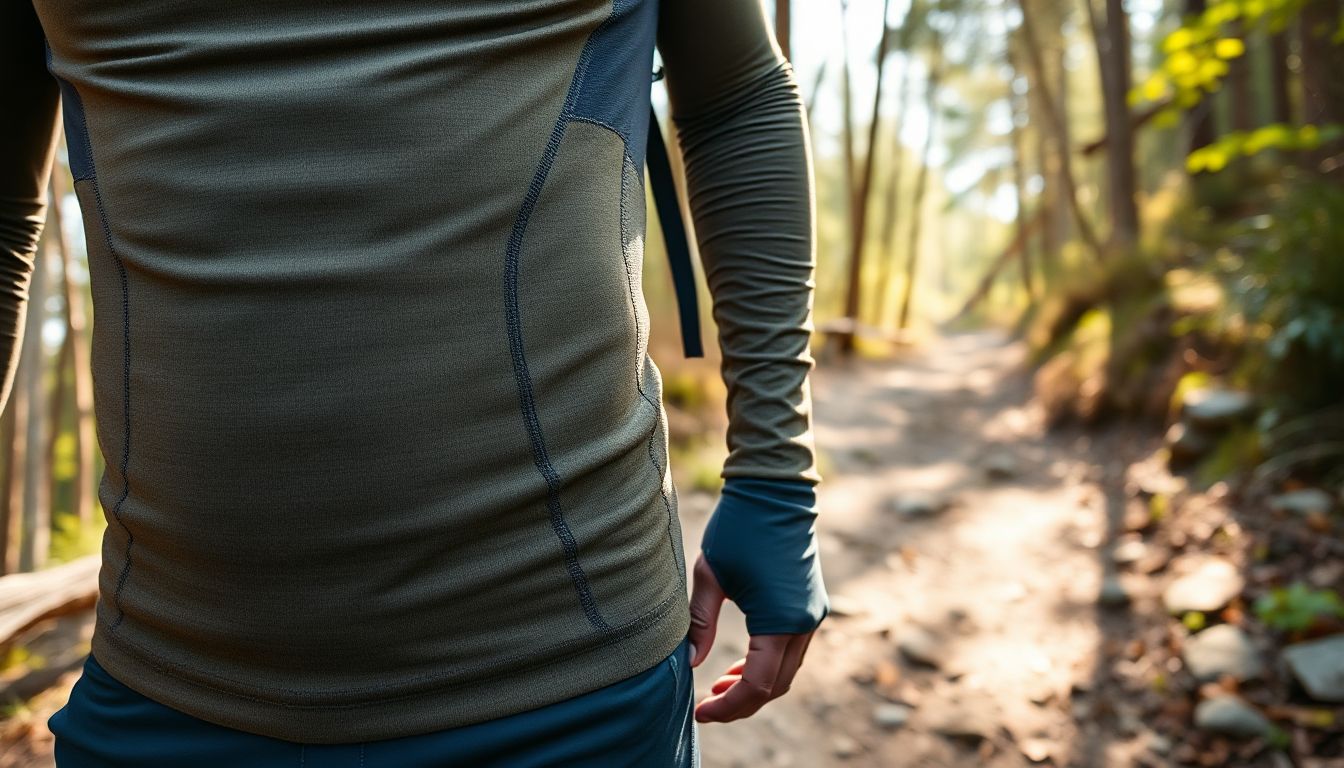
When you’re hiking, walking, running, or cycling, your base layer—the layer worn next to your skin—plays a crucial role in regulating your body temperature and keeping you comfortable.
A base layer is your first layer of clothing, sitting directly against your skin. Its key roles include:
Insulating your body by trapping warm air.
Wicking sweat away to keep you dry.
Regulating temperature, whether it’s hot or cold.
Natural, breathable, and soft.
Excellent thermal insulation and moisture-wicking.
Odour-resistant — great for multi-day trips.
Ideal for cold weather hiking, winter runs, or alpine cycling.
Lightweight and fast-drying.
Excellent at managing heavy sweat.
More affordable, but may retain odour.
Perfect for high-intensity activities like running or cycling.
Combine the benefits of wool and synthetics.
Good balance of comfort, durability, and performance.
No products found.
Lightweight – Best for summer hiking, running, or indoor cycling.
Midweight – Ideal for cooler weather, spring/fall hikes.
Expedition-weight – Designed for freezing conditions, snow trekking, or alpine sports.
Stay dry during intense workouts or long hikes. Quick-dry layers prevent discomfort and chills.
Choose materials that retain heat in the cold and release heat when you’re sweating.
For multi-day trips, opt for anti-microbial fabrics like merino wool or treated synthetics.
A good base layer should be form-fitting without being restrictive. Look for flatlock seams or seamless construction to avoid chafing.
Eco-conscious adventurers should choose ethically sourced merino wool or recycled synthetic materials with certifications like OEKO-TEX or GOTS.
Merino or blended fabrics.
Midweight or lightweight depending on season.
Example Brands: Icebreaker, Smartwool, Ortovox.
Lightweight synthetic fabrics.
High breathability and sweat management.
Example Brands: Under Armour, Nike Pro, Patagonia Capilene.
Lightweight to midweight synthetics or blends.
Slim fit for layering under bibs or jerseys.
Example Brands: Castelli, Rapha, Pearl Izumi.
Lightweight merino or polyester.
Comfort and ease of movement are key.
Example Brands: Helly Hansen, BAM Bamboo Clothing.
No products found.
Wash merino wool in cold water, avoid fabric softeners.
Synthetics can handle warm water but use mild detergent.
Air dry or tumble dry low to prevent shrinkage.
Store flat and clean to maintain fabric integrity.
Replace your base layer if:
It no longer wicks moisture effectively.
The fabric is worn thin or pilling.
There’s persistent odour retention.
Arctic explorers swear by merino wool for warmth and odour control.
Trail runners prefer lightweight synthetics for sweat management.
Cyclists love blended fabrics that layer well under jerseys.
Match fabric weight to your climate.
Test layers on short outings before committing to long treks.
Invest in quality over quantity—performance matters.
Choose multi-season versatility for year-round use.
Whether you’re scaling a mountain, jogging city trails, or cycling country roads, choosing the right base layer is a game-changer. Consider materials like merino wool, synthetic blends, and the appropriate weight and fit for your activity and climate. A high-quality base layer keeps you warm, dry, and odour-free, helping you perform your best in any condition.
No products found.