Contents
Table of Contents
St Cuthbert’s Way – Northumberland: Discover the Historic Pathway
Introduction
Welcome to the captivating journey along St Cuthbert’s Way, Northumberland! This ancient pathway weaves through breathtaking landscapes, offering a glimpse into the rich history and natural wonders of the region. As you embark on this pilgrimage route, you will be immersed in the footsteps of St Cuthbert, a revered saint who left an indelible mark on the Northumberland region. This article delves into the remarkable St Cuthbert’s Way, Northumberland, providing insights, tips, and captivating stories that will enhance your experience along the trail.
St Cuthbert’s Way, Northumberland: A Spiritual and Scenic Trail
St Cuthbert’s Way, Northumberland, spans approximately 62 miles, encompassing diverse terrain, historical landmarks, and serene countryside. This long-distance path offers a unique blend of spiritual exploration and awe-inspiring natural beauty, making it an enticing choice for hikers, history enthusiasts, and pilgrims alike.
The Origins of St Cuthbert’s Way, Northumberland
St Cuthbert’s Way, Northumberland, derives its name from the revered figure of St Cuthbert, a monk and bishop who lived in the 7th century. Known for his deep spiritual connection and unwavering devotion, St Cuthbert left an indelible mark on the Northumberland region. His influence and impact on the local communities are celebrated through the trail that bears his name.
St Cuthbert was born in the Kingdom of Northumbria and spent his early years as a shepherd. Drawn to a life of piety and solitude, he entered the monastery at Melrose, where he dedicated himself to prayer, contemplation, and the pursuit of spiritual enlightenment. As his reputation for holiness grew, he was eventually appointed the Bishop of Lindisfarne, a role he fulfilled with great humility and compassion.
St Cuthbert’s deep connection with nature and his unwavering faith led him to embark on numerous journeys throughout the Northumberland region. He would often retreat to remote and secluded places, seeking solace and communion with God. It is said that he had a special affinity for the rugged and untouched landscapes that define the Northumberland countryside.
The trail named after St Cuthbert follows in his footsteps, tracing the path he walked during his lifetime. It is both a physical and spiritual pilgrimage, allowing hikers to immerse themselves in the same landscapes that inspired and nurtured St Cuthbert’s faith. As you walk along St Cuthbert’s Way, Northumberland, you are not only retracing history but also connecting with the deep spirituality that permeates the region.
The trail encompasses significant sites associated with St Cuthbert’s life, such as Melrose Abbey, Holy Island (Lindisfarne), and the Eildon Hills. These places hold immense historical and cultural importance, serving as reminders of the saint’s profound influence on the region. Each step along the trail is an opportunity to reflect on St Cuthbert’s legacy and the enduring impact of his spirituality.
Moreover, St Cuthbert’s Way, Northumberland, extends beyond its religious and historical significance. It showcases the natural beauty of Northumberland, taking hikers through diverse landscapes, from rolling hills to picturesque riverside paths. The trail offers a chance to appreciate the tranquillity and serenity of the countryside, providing a respite from the demands of modern life.
Traversing Ancient Landscapes
Embarking on St Cuthbert’s Way, Northumberland, takes you through an array of awe-inspiring landscapes. From rolling hills and sweeping moorlands to dense woodlands and picturesque riverside paths, the trail offers a diverse tapestry of natural wonders. Each step unravels the beauty and tranquillity of Northumberland’s countryside, providing an immersive experience for all who venture forth.
Exploring the Highlights Along the Way
As you traverse St Cuthbert’s Way, Northumberland, numerous highlights await your discovery. Let’s delve into some of the most remarkable sights and landmarks that adorn this historic pathway.
1. Melrose Abbey: Where History Meets Serenity
Your journey commences in the enchanting town of Melrose, where the stunning Melrose Abbey stands as a testament to the region’s rich past. Founded in the 12th century, this historic site exudes grandeur and tranquillity. Marvel at the intricate stonework, explore the peaceful gardens, and embrace the spiritual ambiance that envelops this hallowed ground.
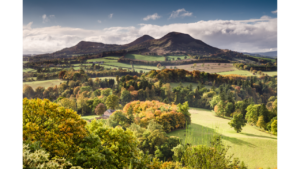
2. Eildon Hills: Majestic Peaks Beckon
As you leave Melrose behind, the Eildon Hills loom ahead, inviting you to conquer their majestic peaks. Offering panoramic vistas of the surrounding countryside, these ancient hills hold an air of mystery and allure. The ascent may challenge your stamina, but the reward of breathtaking views makes
3. The Border Abbeys: A Tapestry of Faith and Architecture
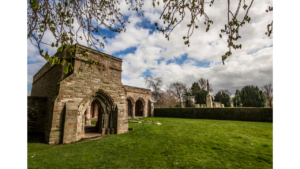
Continuing along St Cuthbert’s Way, Northumberland, you will encounter the Border Abbeys, a collection of historic monastic sites that have stood the test of time. Each abbey—Jedburgh Abbey, Dryburgh Abbey, Kelso Abbey, and others—boasts exquisite architecture and a rich heritage. These remarkable structures serve as reminders of the region’s religious and cultural significance, offering a glimpse into medieval life.
4. Holy Island (Lindisfarne): A Place of Pilgrimage
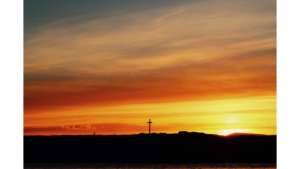
No exploration of St Cuthbert’s Way, Northumberland, would be complete without a visit to the legendary Holy Island, also known as Lindisfarne. Accessible by a causeway during low tide, this tidal island holds immense spiritual and historical significance. Wander the ancient ruins of Lindisfarne Priory, bask in the serene beauty of its coastal landscapes, and immerse yourself in the tranquillity that surrounds this sacred site.
5. Bamburgh Castle: A Coastal Marvel
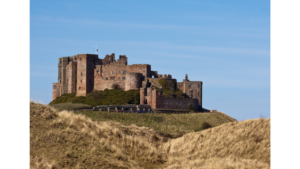
Perched dramatically on a rocky outcrop overlooking the North Sea, Bamburgh Castle stands as a symbol of strength and resilience. This imposing fortress, steeped in history, offers visitors a chance to delve into Northumberland’s past. Explore its mighty walls, admire the impressive collection of artifacts within its halls, and take in the breathtaking views that stretch across the coastline.
6. The Cheviot Hills: Majestic Wilderness
As you near the end of your journey along St Cuthbert’s Way, Northumberland, the majestic Cheviot Hills come into view. These rugged and untamed landscapes present a haven for nature lovers and adventure seekers alike. Lace up your hiking boots and venture into the heart of these ancient hills, where rolling moorlands and sweeping vistas await. Be sure to keep an eye out for the rich biodiversity that thrives within this wilderness.
FAQs (Frequently Asked Questions)
Q: How long does it take to complete St Cuthbert’s Way, Northumberland?
A: The duration of the journey along St Cuthbert’s Way, Northumberland, can vary depending on individual preferences and hiking pace. On average, it takes around 4 to 5 days to complete the entire trail. However, some hikers may choose to extend their journey and spend more time exploring the attractions along the way.
Q: Is St Cuthbert’s Way, Northumberland suitable for beginners?
A: While St Cuthbert’s Way, Northumberland, offers a rewarding experience, it is recommended that hikers have some prior experience and physical fitness. The trail includes varied terrain and some sections with steep ascents or descents. It’s important to be prepared and choose appropriate hiking gear.
Q: Are there accommodations along the trail?
A: Yes, there are several accommodations available along St Cuthbert’s Way, Northumberland, ranging from cozy bed and breakfasts to charming inns and hotels. It is advisable to book in advance, especially during peak hiking seasons, to ensure availability.
Q: Are there any specific permits or fees required to hike St Cuthbert’s Way, Northumberland?
A: No, there are no specific permits or fees required to hike St Cuthbert’s Way, Northumberland. The trail is open to the public and can be accessed freely.
Q: What is the best time of year to hike St Cuthbert’s Way, Northumberland?
A: The best time to hike St Cuthbert’s Way, Northumberland, is typically between spring and autumn when the weather is milder. However, it’s important to note that weather conditions can change rapidly, so it’s advisable to check the forecast and come prepared for varying temperatures and precipitation.
Q: Can I bring my dog on St Cuthbert’s Way, Northumberland?
A: Yes, dogs are allowed on St Cuthbert’s Way, Northumberland. However, it’s essential to keep them on a leash and ensure you clean up after them to preserve the natural environment and show consideration for other hikers.
Conclusion
Embarking on St Cuthbert’s Way, Northumberland, is a truly remarkable experience that combines spiritual exploration, natural beauty, and a rich tapestry of history. From the serene landscapes to the awe-inspiring landmarks, every step along this trail unveils the wonders of Northumberland. Whether you seek adventure, seek solace, or simply want to immerse yourself in the footsteps of a revered saint, St Cuthbert’s Way, Northumberland, awaits your discovery.