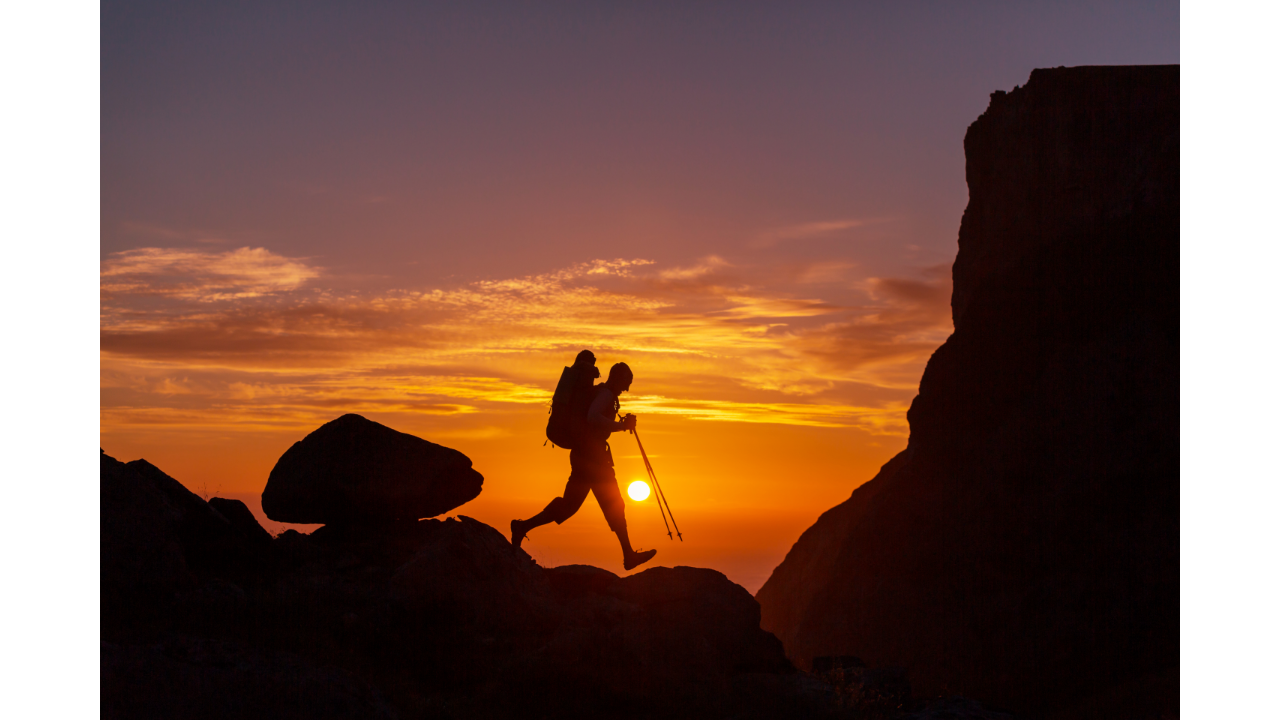
The 1-hour drive (from downtown Tromso) out to where the Brosmetind walking path starts is fantastic too.
… valleys with tall peaky mountains that go straight into the sea.
One of these fjords is Grotfjord. You should make a stop in Grotfjord and walk along the huge white-sandy beach.
You will have an awesome panoramic view from the start to finish. So if you don’t have to go all the way to the top to get a great view. You can turn around whenever you want …
Height: 525 meters above sea level
Distance to walk: 4 km both ways
Time: 1-2 hours (round-trip)
How to get there by bus: Take the district bus no. 425 to Tromvik or Rekvik, and walk from there to the starting point of the hiking path to Brosmetinden. Tell the driver that you want to hike Brosmetinden and he will let you off at the right place.
You can purchase tickets on board the bus, but cash payments only, or you can buy a ticket through the app “Troms Billett”. You can check the bus schedule HERE (search the Travel Planner from “Tromsø Prostneset” to “Rekvikvegen (Tromsø)” or through the app “Troms Reise”.
I hiked on Canada Day – July 1st. Wore my CANADA clothing.
Weather was sunny — but super windy. Too windy to fly the drone. But it was nice to have enough wind to blow away the mosquitoes and horseflies.
It’s a quick hike to reach the sea cliffs. And a scenic scramble up to the top.
I camped at Grotfjord beach, on Maria’s recommendation.
An excellent short day hike — but quite a detour off the usual tourist route.
Beginner’s Guide to Hiking for the First Time: Essential Tips and Trails
Introduction
Hiking is an incredible way to connect with nature, challenge yourself physically, and experience breathtaking landscapes. If you’re a first-time hiker, you might have questions and concerns about getting started. In this comprehensive guide, we will provide you with all the information you need to embark on your first hiking adventure with confidence. From essential gear and safety tips to trail recommendations and mental preparation, we’ve got you covered. So, put on your hiking boots, grab your backpack, and let’s dive into the world of hiking for the first time!
Getting Started with Hiking
What is Hiking?
Hiking is a recreational activity that involves walking or trekking on trails and paths in natural environments such as mountains, forests, or national parks. It is a popular outdoor pursuit for people of all ages and fitness levels. Hiking allows you to explore and appreciate the beauty of nature while engaging in physical exercise.
Why Should You Go Hiking?
Hiking offers a wide range of benefits for both your physical and mental well-being. It is a fantastic way to stay active, strengthen your muscles, and improve cardiovascular health. Additionally, spending time in nature has been proven to reduce stress, boost mood, and enhance overall mental clarity. Hiking allows you to disconnect from the demands of daily life and immerse yourself in the serenity of the great outdoors.
Is Hiking Suitable for Everyone?
Hiking is a versatile activity that can be enjoyed by people of various fitness levels. While some trails are more challenging and require a higher level of physical fitness, there are plenty of beginner-friendly hikes available. It’s essential to choose a trail that matches your fitness level and experience. Start with shorter and easier hikes before gradually progressing to more demanding routes.
How to Choose the Right Trail
When selecting a trail for your first hiking adventure, consider factors such as distance, elevation gain, difficulty level, and the type of terrain. Research local hiking trails, read reviews from fellow hikers, and consult guidebooks or reliable online resources. Look for trails labelled as beginner-friendly or suitable for first-time hikers. It’s also crucial to check weather conditions and trail closures before heading out.
Essential Gear for Your First Hike
To ensure a safe and enjoyable hiking experience, you need to have the right gear. Here’s a list of essential items to pack for your first hike:
While hiking is a fantastic way to get in shape, it’s important to prepare your body for the physical demands of the activity. Start by incorporating regular cardiovascular exercises into your routine, such as walking, jogging, or cycling. Strengthen your leg muscles and improve your endurance through activities like stair climbing and hiking on inclined surfaces. Gradually increase the intensity and duration of your workouts to build stamina.
Mental Preparation
Hiking can be both physically and mentally challenging, especially if you’re venturing into unfamiliar terrain. Mental preparedness is crucial for a successful hiking experience. Develop a positive mindset and set realistic expectations for your first hike. Visualize yourself overcoming obstacles and reaching your destination. Practice mindfulness techniques to stay present and focused during the hike. Remember to take breaks, enjoy the scenery, and celebrate your accomplishments along the way.
Safety Tips for Hiking
While hiking is generally a safe activity, it’s essential to prioritize safety to avoid potential risks and accidents. Follow these safety tips during your hike:
Inform someone about your hiking plans, including your expected return time.
Stay on designated trails and follow any posted signs or regulations.
Check the weather forecast before heading out and be prepared for changing conditions.
Dress in layers to adapt to temperature changes and avoid overheating or hypothermia.
Pace yourself and take breaks when needed to avoid exhaustion.
Watch your step and be cautious of uneven terrain, rocks, or tree roots.
Carry a whistle or other signalling device in case of emergencies.
Respect wildlife and keep a safe distance.
Leave no trace: pack out all your trash and follow proper waste disposal practices.
What to Pack for Your First Hike
When packing for your first hike, it’s important to strike a balance between carrying essential items and keeping your backpack lightweight. Here’s a checklist of items to consider:
Water: Carry an adequate amount of water to stay hydrated throughout the hike.
Snacks: Pack lightweight, energy-rich snacks like trail mix, granola bars, or dried fruit.
Extra clothing layers: Bring an extra pair of socks, a lightweight jacket, and a rain poncho or waterproof shell.
First aid kit: Include band-aids, antiseptic ointment, adhesive tape, pain relievers, and any necessary personal medications.
Sun protection: Apply sunscreen before starting your hike and bring a hat and sunglasses for additional protection.
Insect repellent: Protect yourself from mosquitoes and other insects.
Multi-tool or knife: Useful for various purposes, such as cutting ropes or opening food packages.
Portable phone charger: Ensure your phone stays charged in case of emergencies.
Emergency shelter: Consider carrying a lightweight emergency blanket or tarp.
Planning Your Route
Before setting off on your first hike, plan your route carefully. Research the trail map, review any available trail descriptions or guides, and familiarize yourself with the landmarks along the way. Note any potential water sources or rest areas for breaks. It’s a good practice to inform someone about your planned route and estimated return time. Consider hiking during daylight hours to maximize visibility and safety.
On the Trail
Hiking Etiquette
When hiking, it’s important to be considerate of other hikers and the environment. Follow these hiking etiquette guidelines:
Yield to uphill hikers: If you encounter hikers going uphill while you’re descending, step aside and let them pass.
Leave no trace: Pack out all your trash, including food wrappers and tissues. Avoid damaging plants or disturbing wildlife.
Keep noise levels low: Respect the tranquillity of nature and avoid loud conversations or playing loud music.
Stay on the trail: Avoid taking shortcuts or creating new paths to preserve the natural habitat.
Respect private property: Stay on public trails and respect the boundaries of private land.
Keep dogs on a leash: If you’re hiking with a dog, ensure they are on a leash and under control at all times.
Navigating the Trail
While hiking, it’s important to stay on the designated trail to avoid getting lost or damaging the surrounding ecosystem. Pay attention to trail markers, signs, or cairns that indicate the correct path. If you’re unsure about the direction, refer to your map, compass, or GPS device. It’s a good practice to periodically check your progress and compare it to your planned route.
Navigation Products
[product_table id=”284774″]
Staying Hydrated and Nourished
Proper hydration and nutrition are vital during a hike to maintain energy levels and prevent dehydration. Drink water regularly, even if you don’t feel thirsty. Carry an adequate supply of water and consider using a hydration bladder or water bottles with built-in filters. Snack on energy-rich foods throughout the hike to replenish calories. Avoid heavy meals before hiking as they can cause discomfort or sluggishness.
Dealing with Common Challenges
Hiking may present various challenges along the way. Here’s how to overcome some common obstacles:
Fatigue: Pace yourself, take breaks when needed, and listen to your body. Pushing beyond your limits can lead to exhaustion or injuries.
Blisters: Wear moisture-wicking socks and well-fitting hiking boots. If you feel a hot spot, stop and apply moleskin or a blister bandage to prevent further irritation.
Muscle soreness: Stretch before and after your hike to reduce muscle soreness. Take time to rest and recover between hikes.
Changing weather conditions: Be prepared for unexpected weather changes by packing additional clothing layers and rain gear. Monitor the forecast and be ready to adjust your plans if necessary.
Enjoying the Scenic Views
One of the most rewarding aspects of hiking is the opportunity to soak in the stunning views along the trail. Take your time to pause, appreciate the beauty of nature, and capture the memories through photographs. Embrace the tranquillity of the surroundings and allow yourself to be fully present in the moment. Remember, hiking is not just about reaching the destination; it’s about enjoying the journey.
Frequently Asked Questions
What should I wear for my first hike?
For your first hike, wear comfortable and breathable clothing that allows for a wide range of movement. Opt for moisture-wicking fabrics to keep you dry and comfortable. Choose sturdy footwear, such as hiking boots or trail shoes, to provide ankle support and grip on uneven terrain. Don’t forget to wear a hat and sunglasses for sun protection.
Do I need hiking boots for beginners?
While hiking boots provide additional support and protection, they are not a requirement for beginners. You can start with sturdy athletic shoes or trail running shoes. As you progress and tackle more challenging trails, investing in a pair of hikingboots can enhance your hiking experience.
How do I prevent blisters while hiking?
To prevent blisters, ensure your footwear fits properly and provides ample room for your toes. Wear moisture-wicking socks made of synthetic or wool materials to minimize friction. If you feel a hot spot developing, stop and apply moleskin or a blister bandage to protect the area.
Are hiking poles necessary for beginners?
Hiking poles can provide stability, reduce strain on your knees, and improve balance, especially on steep or uneven terrain. While not necessary for all beginners, they can be beneficial, particularly on longer or more challenging hikes.
What are the best snacks to pack for a hike?
The best snacks for hiking are lightweight, non-perishable, and provide a quick energy boost. Some excellent options include trail mix, granola bars, energy bars, dried fruit, jerky, or nut butter packets. Choose snacks that are easy to eat on the go and provide a good balance of carbohydrates, protein, and healthy fats.
How do I stay safe from wildlife while hiking?
To stay safe from wildlife while hiking, it’s important to be aware of your surroundings and follow these guidelines:
Keep a safe distance: Do not approach or feed wild animals.
Make noise: Announce your presence by talking or clapping your hands to alert animals to your presence.
Store food properly: Keep your food in sealed containers or bear-proof canisters to avoid attracting wildlife.
Respect their habitat: Do not disturb or damage the natural habitat of animals.
Learn about local wildlife: Research the specific wildlife in the area you’re hiking and understand their behaviours and potential risks.
Conclusion
Embarking on your first hiking adventure can be an exhilarating and transformative experience. By following the tips and guidelines in this guide, you’ll be well-prepared to tackle the trails with confidence. Remember to start with beginner-friendly hikes, choose the right gear, stay safe, and enjoy the beauty of nature. So, pack your backpack, put on your hiking boots, and embark on an unforgettable journey into the great outdoors.
Search our website for everything you will need for your hiking adventures, everything from the basics, such has, quality boots and clothing to navigation aids, energy snacks, water bottles and everything in-between. But most importantly, be prepared on enjoy your hiking experiences.
You can see weird and wild limestone spires right from town. Convenient, efficient public transport makes for easy access to trails for hikers of all levels of ability.
I got the chance to return in 2023. Booked 3 nights in Interlaken, Switzerland — hoping for good weather.
Weather report was good, not great. If rain or lightning looked likely, I would either descend on a side trail or backtrack to the start.
Happily, weather was mixed all day. No rain. No slippery trails. People have died hikingHarder Ridge. There’s not much exposure, but I could see it happening at a few spots. Especially in snow, ice, or mud.
dangerous
I took 10 hours on both my days.
at least 18km on sharply defined ridge
should absolutely never be attempted when wet
some scrambling required
Brienz to Interlaken with motorized assistance getting up to and descending from the ridge
Don’t hike the other direction. Logistics are easier starting in Brienz. And it’s safer as the last 2 hours (when your legs are tired) is on easier trails.
Every half hour a train runs from Interlaken to Brienz.
Across the street from the train station is the historic steam train from Brienz to Brienzer Rothorn Station. It’s been making this run since 1891.
It takes an hour to get to the top of the ridge 2351m.
Most visitors do a short ridge walk from here. And take the steam train back down to Brienz. Very few attempt the full Harder Ridge. It IS popular with trail runners.
A bit foggy on arrival. Bit of a worry.
This is NOT an official trail. You’ll see warnings.
This first half is unsigned. But you can’t get lost as the trail stays as close to the ridge top as possible.
Early on there is a technical section with stone steps and cable hand assist. It could be tricky when completely covered with snow.
I thought I’d be faster my second time. NOPE. It still took me 10 hours though I tried to move quickly with only short stops for photos and video.
At times you’ll wonder if that next climb is even possible. It is.
There were plenty of wildflowers. Plenty of insects end of June.
This is a great hike to carry a drone.
It was hazy. But I still had good views of the big peaks across the lake.
The first time here, I was disappointed not to see any Ibex. This time mama blocked the trail for about 10 minutes. She had two little ones with her so I was cautious in making my way past.
I wouldn’t recommend bringing a dog on this one. There are too many sharp stones.
The final 6km are in the trees and it’s a relief to finally reach that section.
Both times — however — I found I was no faster here than on the naked ridge.
I was still worried about making the last funicular down from Harder Kulm. End of June it left at 9:45pm. I was on the last one.
It is fantastic to be delivered right back to Interlaken after 10 hours on foot.
Thomas Coldwell documented his summer 2022 adventure, along with 4 others. And put together this VERY useful document for anyone wanting to plan a Traverse for themselves:
Hiking is a popular outdoor activity that offers numerous physical and mental health benefits. It allows you to connect with nature, explore new landscapes, and challenge yourself physically. To enhance your hiking experience, using a fitness tracker can be incredibly beneficial. A fitness tracker is a wearable device that monitors various aspects of your activity and provides valuable insights. In this article, we will explore the benefits of using a fitness tracker when hiking.
No products found.
Introduction
Hiking is an excellent way to engage in physical exercise while immersing yourself in nature’s beauty. However, it’s important to make the most of your hiking experience and optimize your health and fitness goals. This is where a fitness tracker comes into play. Let’s delve into the benefits it offers.
Setting Goals for Hiking
A fitness tracker empowers you to establish specific goals tailored to your hiking adventures. Whether you want to conquer longer distances, achieve higher elevation gains, extend your hiking duration, or even track the number of calories burned during your treks, a fitness tracker has got you covered.
By setting achievable goals with your fitness tracker, you embark on a journey of self-improvement and personal growth. The ability to track your progress in real-time allows you to witness your accomplishments first hand. Each milestone reached becomes a testament to your dedication and effort. This sense of achievement fuels your motivation, propelling you to push beyond your limits and explore new horizons.
Setting goals with a fitness tracker not only enhances your hiking experience but also serves as a powerful source of inspiration. As you witness the incremental progress towards your targets, you gain a deeper understanding of your capabilities. It instils confidence and a belief in your ability to conquer challenges. With each step forward, you become more determined to surpass your previous achievements.
Moreover, the process of goal setting with a fitness tracker introduces structure and direction to your hiking endeavours. It helps you plan your routes, estimate timeframes, and allocate resources accordingly. This organization ensures that you optimize your hiking sessions and make the most of your time in nature.
The beauty of using a fitness tracker to set goals lies in its adaptability to your individual needs. It allows you to tailor your objectives based on your current fitness level, preferences, and aspirations. Whether you’re a beginner seeking gradual progress or an experienced hiker aiming for more ambitious targets, the flexibility of a fitness tracker enables you to customize your goals accordingly.
As you reach each milestone and surpass your set goals, the satisfaction and joy derived from your accomplishments are unparalleled. The sense of fulfilment encourages you to keep striving for greatness, propelling you to continue exploring further. With each new challenge conquered, you unlock the doors to uncharted territories, unveiling breath-taking landscapes and hidden treasures.
In summary, a fitness tracker acts as your personal guide and motivator, allowing you to set specific goals that align with your hiking aspirations. By establishing targets for distance, elevation gain, duration, and calorie burn, you track your progress and push yourself to new heights. This not only provides a profound sense of accomplishment but also ignites a desire to venture deeper into the wonders of nature. Embrace the power of goal setting with a fitness tracker and unlock the extraordinary possibilities that await you on your hiking adventures.
[product_table id=”284780″]
Tracking Distance and Elevation
One of the key benefits of using a fitness tracker when hiking is the ability to accurately track your distance and elevation. It utilizes built-in GPS technology to map your route and provide real-time updates. With this information, you can plan your hikes more effectively, measure your achievements, and analyse the difficulty level of various trails.
Monitoring Heart Rate and Calories Burned
Hiking is a great cardiovascular exercise that improves your heart health and burns calories. A fitness tracker monitors your heart rate throughout the hike, enabling you to optimize your workout intensity. It also calculates the calories burned, giving you a better understanding of the energy expenditure during your hiking sessions.
Assessing Fitness Levels
Fitness trackers provide valuable insights into your fitness levels. They analyse your hiking performance and help you understand your strengths and areas for improvement. By tracking your progress over time, you can monitor your fitness growth and adjust your hiking routine accordingly.
Analysing Sleep Patterns
Adequate rest and recovery are crucial for an active lifestyle. Many fitness trackers offer sleep tracking features that monitor your sleep patterns, including duration and quality. Understanding your sleep habits can help you optimize your rest and wake up refreshed for your next hiking adventure.
Enhancing Safety and Security
When hiking in unfamiliar terrain, safety is paramount. Fitness trackers with built-in navigation features can guide you along the trail, ensuring you stay on the right path. Some trackers also offer emergency assistance, allowing you to send distress signals or share your location with others in case of an emergency.
Staying Motivated and Accountable
Consistency is key when it comes to maintaining an active lifestyle. A fitness tracker keeps you motivated and accountable for your hiking goals. It provides real-time feedback, celebrates milestones, and encourages you to stay on track. Additionally, many trackers allow you to connect with friends and join communities, fostering a sense of camaraderie and healthy competition.
Exploring New Trails and Destinations
If you enjoy discovering new trails and hiking destinations, a fitness tracker can be a valuable companion. It provides recommendations based on your preferences and allows you to explore unfamiliar routes. With the ability to share your experiences and recommendations, you can also contribute to the hiking community and inspire others to embark on their own adventures.
Promoting Overall Well-being
Hiking offers a range of physical and mental health benefits, and a fitness tracker enhances these benefits further. By monitoring your activity, heart rate, and sleep, it helps you maintain a healthy lifestyle. Regular hiking combined with the insights provided by a fitness tracker can lead to improved cardiovascular health, weight management, stress reduction, and increased overall well-being.
Conclusion
Using a fitness tracker when hiking can significantly enhance your outdoor experience. It enables you to set goals, track your progress, and gain valuable insights into your fitness levels. With features like GPS tracking, heart rate monitoring, and sleep analysis, it helps you optimize your hiking routine, stay safe, and maintain motivation. Embrace the benefits of technology and make the most of your hiking adventures with a fitness tracker.
FAQs
Is a fitness tracker necessary for hiking? A fitness tracker is not necessary for hiking, but it can greatly enhance your experience by providing valuable insights and tracking various aspects of your activity.
Can a fitness tracker replace a hiking map? While a fitness tracker with navigation features can guide you along the trail, it’s still advisable to carry a physical map as a backup in case of technical issues or battery drain.
Are fitness trackers waterproof? Many fitness trackers are water-resistant, allowing you to use them in various weather conditions. However, it’s important to check the specifications of the specific tracker you intend to purchase.
Do fitness trackers work in remote hiking areas? Fitness trackers with built-in GPS technology can track your location even in remote areas with limited cellular coverage. However, it’s recommended to check the GPS functionality and coverage of the tracker before heading out.
Are there any free hiking apps that provide similar features to fitness trackers? Yes, there are several free hiking apps available that offer features like route tracking, distance measurement, and elevation tracking. These apps can be a good alternative if you don’t own a fitness tracker.
What is Soft Hiking? Exploring the Gentle Side of Nature
Introduction
Soft hiking, also known as gentle hiking or leisurely hiking, is a wonderful way to explore the great outdoors at a relaxed pace. Unlike strenuous mountain climbing or long-distance trekking, soft hiking offers a more laid-back approach to hiking, focusing on enjoyment, leisure, and immersing oneself in the beauty of nature. In this article, we will delve into the concept of soft hiking, discuss its benefits, and provide practical tips to help you embark on your own soft hiking adventure.
The beauty of hiking at your own pace, embracing the joy of every step. Whether you’re an experienced hiker or a novice explorer, there are no specific requirements to enjoy this activity. You don’t need to possess extraordinary strength or fitness levels to keep up. In fact, the allure lies in the leisurely and relaxed nature of this alternative approach to traditional hiking
What is Soft Hiking?
Soft hiking, as the name suggests, refers to a type of hiking that focuses on gentle and leisurely exploration of nature. Unlike more demanding forms of hiking, such as mountaineering or long-distance backpacking, soft hiking is characterized by its relaxed pace, moderate terrain, and emphasis on enjoyment rather than endurance.
Soft hiking trails are typically well-maintained, easily accessible, and offer stunning views of natural landscapes. They are designed to provide a comfortable and pleasurable experience for hikers of all ages and fitness levels. Soft hiking allows individuals to immerse themselves in nature, take in the sights and sounds, and connect with the environment in a more tranquil and contemplative manner.
Soft hiking can take many forms, ranging from short walks along nature trails to multi-day excursions with overnight stays in copy lodges or campgrounds. It offers a perfect opportunity to escape the hustle and bustle of everyday life, unwind, and rejuvenate in the embrace of nature’s tranquillity.
The Benefits of Soft Hiking
Soft hiking offers a multitude of benefits for both physical and mental well-being. Let’s explore some of the key advantages of engaging in this leisurely outdoor activity:
1. Physical Fitness and Health
Soft hiking provides a gentle yet effective form of exercise that improves cardiovascular health, strengthens muscles, and enhances overall fitness. By walking on soft hiking trails, you engage various muscle groups, including your legs, core, and arms, without subjecting your body to excessive strain. Regular soft hiking can help improve endurance, flexibility, and balance.
2. Stress Relief and Mental Well-being
Immersing yourself in nature during a soft hiking excursion can have a profound impact on your mental well-being. The peaceful surroundings, fresh air, and natural beauty help reduce stress levels, calm the mind, and promote relaxation. Soft hiking also provides an opportunity to unplug from technology, allowing you to disconnect from the digital world and reconnect with yourself and the natural environment.
3. Connection with Nature
Soft hiking allows you to forge a deep connection with the natural world. As you stroll along gentle trails, you can observe and appreciate the flora, fauna, and landscapes surrounding you. This connection with nature has been shown to improve mood, boost creativity, and foster a sense of awe and gratitude.
4. Low Impact and Accessible
Soft hiking is a low-impact activity that puts minimal stress on your joints and muscles. The moderate terrain of soft hiking trails makes them accessible to people of various fitness levels and ages, including children, seniors, and individuals with mobility limitations. It provides an inclusive and enjoyable outdoor experience for everyone.
5. Social Bonding
Soft hiking can be a fantastic social activity that brings people together. Whether you go soft hiking with friends, family, or join organized hiking groups, it offers a wonderful opportunity for bonding and creating lasting memories. Exploring nature together fosters a sense of camaraderie, encourages conversation, and strengthens relationships.
How to Get Started with Soft Hiking
Now that you have a good understanding of what soft hiking is and its benefits, let’s explore how you can get started with this enjoyable outdoor activity. Here are some steps to guide you:
Step 1: Research Soft Hiking Trails
Begin by researching soft hiking trails in your area or the destination where you plan to go hiking. Look for trails that are suitable for beginners and offer scenic views or points of interest. Websites like AllTrails or local tourism boards can provide valuable information about soft hiking routes, trail difficulty, and estimated hiking times.
Step 2: Choose the Right Gear
Selecting the appropriate gear is essential for a comfortable and safe soft hiking experience. Invest in a pair of sturdy, comfortable hiking shoes or boots that provide good traction and ankle support. Dress in layers, considering the weather conditions and the duration of your hike. Don’t forget essentials like a hat, sunglasses, sunscreen, and a lightweight backpack to carry water, snacks, and other necessities.
Step 3: Start with Shorter Hikes
If you’re new to hiking or have been inactive for a while, it’s advisable to start with shorter hikes to gradually build up your stamina. Choose trails that are a few miles long and have gentle inclines. As you gain confidence and fitness, you can gradually increase the distance and difficulty level of your hikes.
Step 4: Stay Hydrated and Fuel Your Body
During soft hiking, it’s crucial to stay hydrated and nourish your body. Carry an adequate amount of water and drink regularly to prevent dehydration. Pack lightweight snacks like energy bars, nuts, or dried fruits to keep your energy levels up during the hike. [product_table id=”284739″]
Step 5: Be Mindful of Leave No Trace Principles
When soft hiking, it’s important to follow Leave No Trace principles to minimize your impact on the environment. Respect nature by staying on designated trails, disposing of waste properly, and avoiding littering. Leave the natural surroundings as you found them, ensuring that future hikers can enjoy the same pristine beauty.
Essential Gear for Soft Hiking
To ensure a comfortable and safe soft hiking experience, it’s important to have the right gear. Here’s a list of essential items you should consider packing for your soft hiking trips:
Hiking Shoes or Boots: Invest in a pair of comfortable hiking shoes or boots with good traction and ankle support.
Moisture-Wicking Clothing: Wear moisture-wicking clothing to keep you dry and comfortable during the hike. Opt for lightweight, breathable fabrics.
Layered Clothing: Dress in layers to adapt to changing weather conditions. Choose moisture-wicking base layers, insulating mid-layers, and a waterproof outer layer.
Hat and Sunglasses: Protect yourself from the sun’s rays by wearing a hat and sunglasses.
Sunscreen: Apply a broad-spectrum sunscreen with a high SPF to protect your skin from harmful UV rays.
Backpack: Carry a lightweight backpack to store water, snacks, extra layers, and other essentials.
Water and Hydration System: Stay hydrated by carrying an adequate amount of water and a hydration system like a water bladder or water bottles.
Trail Map or Guidebook: Bring a trail map or guidebook to navigate the soft hiking route.
First Aid Kit: Pack a basic first aid kit with essentials like band-aids, antiseptic wipes, pain relievers, and blister treatment.
Flashlight or Headlamp: Carry a flashlight or headlamp in case you end up hiking after sunset.
Multi-Tool: A multi-tool can come in handy for various tasks on the trail, such as repairing gear or opening cans.
Emergency Whistle: Carry an emergency whistle to signal for help in case of an emergency.
Cell Phone and Portable Charger: Keep a cell phone with you for emergencies and ensure it is fully charged or carry a portable charger.
Remember to adapt the gear list based on the specific requirements of the soft hiking trail and the weather conditions.
Planning Your Soft Hiking Route
Proper planning is crucial to ensure a smooth and enjoyable soft hiking experience. Follow these steps to plan your soft hiking route:
Step 1: Determine Your Fitness Level and Time Available
Assess your fitness level and the amount of time you have available for the soft hiking trip. This will help you choose a trail that matches your abilities and fits into your schedule.
Step 2: Research Soft Hiking Trails
Research soft hiking trails in the desired location. Look for trails that offer scenic beauty, interesting features, or points of interest. Consider factors such as trail length, elevation gain, difficulty level, and trail conditions.
Step 3: Check Trail Conditions and Permits
Before heading out, check the current trail conditions and any required permits or passes. Some trails may have seasonal closures or restrictions, so it’s important to stay informed.
Step 4: Plan Your Timing
Plan your soft hiking trip according to the time of day and the weather forecast. Start early in the morning to avoid crowds and make sure you have enough daylight to complete the hike comfortably.
Step 5: Share Your Plans
Inform a trusted friend or family member about your soft hiking plans, including the trail you will be hiking, your expected return time, and any emergency contacts.
Step 6: Prepare Navigation Tools
Download offline maps or carry a physical trail map of the soft hiking route. Familiarize yourself with the trail markers and any potential junctions or intersections. [product_table id=”284774″]
Step 7: Consider Safety Measures
Prioritize safety by packing essential safety items like a first aid kit, emergency whistle, and extra food and water. Familiarize yourself with basic wilderness safety practices.
By carefully planning your soft hiking route, you can ensure a rewarding and safe experience.
Tips for a Safe and Enjoyable Soft Hiking Experience
While soft hiking is generally considered safe, it’s important to follow certain guidelines to ensure a pleasant and secure journey. Here are some tips for a safe and enjoyable soft hiking experience:
Start with Shorter Trails: If you’re new to soft hiking, begin with shorter trails to gauge your fitness level and comfort. Gradually progress to longer and more challenging routes as you build up your stamina.
Dress Appropriately: Wear appropriate clothing and footwear for the soft hiking conditions. Dress in layers to accommodate changes in weather and temperature.
Pack Essential Items: Carry a backpack with essential items such as a trail map, compass, flashlight, first aid kit, extra clothing layers, food, and water.
Follow Trail Markers: Pay attention to trail markers, signs, and maps to ensure you stay on the designated path. Deviating from the trail can lead to getting lost or causing damage to the environment.
Be Mindful of Wildlife: Respect wildlife and observe from a safe distance. Do not approach or feed animals, as this can disrupt their natural behavior and pose risks to both you and the animals.
Practice Leave No Trace: Follow the principles of Leave No Trace, including packing out your trash, staying on designated trails, and respecting wildlife and natural features.
Hike with a Companion: Whenever possible, hike with a companion for added safety and enjoyment. Having someone with you can help in case of emergencies or unexpected situations.
Check Weather Conditions: Before heading out, check the weather forecast for the soft hiking area. Avoid hiking during severe weather conditions such as thunderstorms, heavy rain, or extreme heat.
Listen to Your Body: Pay attention to your body’s signals and take breaks as needed. If you feel fatigued or unwell, listen to your body and consider turning back or adjusting your plans.
By following these tips, you can have a safe and memorable soft hiking experience.
What to Expect on a Soft Hiking Trail
Soft hiking trails offer a range of experiences, from serene nature walks to captivating scenic routes. Here’s what you can expect on a typical soft hiking trail:
Well-Maintained Paths: Soft hiking trails are usually well-maintained and clearly marked. They are designed to be easy to navigate, with clear signage and trail markers.
Varied Terrain: Soft hiking trails often feature a mix of terrains, including flat stretches, gentle inclines, and occasional steps or obstacles. The terrain is generally manageable and not overly challenging.
Beautiful Scenery: Soft hiking trails are known for their scenic beauty. You can expect to encounter breathtaking landscapes, lush forests, meandering streams, vibrant wildflowers, and stunning vistas along the way.
Wildlife Encounters: Soft hiking trails provide opportunities to spot wildlife in their natural habitats. Keep an eye out for birds, small mammals, and other creatures that may cross your path.
Rest Areas and Lookouts: Many soft hiking trails have designated rest areas, benches, or lookouts where you can take a break, enjoy the view, and capture memorable photographs.
Interaction with Fellow Hikers: Soft hiking trails are popular among outdoor enthusiasts, so you may encounter other hikers along the way. This can be an opportunity to engage in friendly conversations, share experiences, or get recommendations for other trails.
Remember that every soft hiking trail is unique, offering its own distinct features and attractions. Enjoy the journey and embrace the surprises that nature has in store for you.
FAQs about Soft Hiking
What is soft hiking? Soft hiking refers to a leisurely form of hiking that involves walking on well-maintained and gentle trails. It is characterized by a slower pace, moderate terrain, and a focus on enjoying the natural surroundings.
Is soft hiking suitable for beginners? Yes, soft hiking is ideal for beginners as it offers a gentle introduction to hiking. The moderate terrain and manageable distances make it accessible to people with varying fitness levels.
Do I need special equipment for soft hiking? While soft hiking does not require specialized equipment, it’s essential to have comfortable hiking shoes or boots, appropriate clothing, a backpack for essentials, and water for hydration.
Can children and seniors participate in soft hiking? Absolutely! Soft hiking is suitable for people of all ages, including children and seniors. It provides an opportunity for the whole family to enjoy the outdoors together.
Are soft hiking trails accessible for people with mobility limitations? Many soft hiking trails are designed to be accessible, accommodating individuals with mobility limitations. However, it’s advisable to check the specific trail’s accessibility features before planning a hike.
Is soft hiking a year-round activity? Soft hiking can be enjoyed year-round, depending on the climate and weather conditions in the hiking location. However, it’s important to consider seasonal factors and adjust your plans accordingly.
Conclusion
Soft hiking offers a delightful way to connect with nature, improve physical fitness, and promote overall well-being. With its moderate terrain and scenic trails, it provides a fantastic opportunity for individuals of all ages and fitness levels to explore the outdoors. Whether you’re a beginner or a seasoned hiker, soft hiking allows you to immerse yourself in nature, experience tranquillity, and enjoy the numerous benefits of outdoor recreation.
So, grab your hiking gear, find a nearby soft hiking trail, and embark on a memorable journey through picturesque landscapes and peaceful surroundings. Get ready to unwind, rejuvenate, and create lasting memories in the great outdoors.
When it comes to hiking, timing is everything. Choosing the best time of day to embark on your hiking adventure can greatly enhance your experience and ensure that you make the most of your outdoor journey. In this article, we will explore the various factors that influence the ideal time for hiking and provide you with valuable insights and tips to help you determine what is the best time of day to hike? Whether you’re a seasoned hiker or a beginner, understanding the optimal hiking times will allow you to maximize your enjoyment and make the most of the natural beauty that surrounds you.
What is the Best Time of Day to Hike?
Hiking enthusiasts often ponder over the question, “What is the best time of day to hike?” The answer to this question depends on several factors such as weather conditions, personal preferences, and the type of trail you plan to conquer. Let’s delve into the different times of day and explore their pros and cons.
Early Morning: Embrace the Magic of Dawn
Heading out for a hike in the early morning can be a truly enchanting and magical experience. As the world awakens from its slumber, nature unveils its serene beauty, inviting you to embark on a journey filled with tranquillity and wonder.
One of the captivating aspects of early morning hiking is the tranquil atmosphere that surrounds you. The world is still, and a sense of calm permeates the air. The hustle and bustle of daily life are yet to begin, allowing you to escape into a realm of serenity and peace. The gentle caress of the cool breeze against your skin invigorates your senses, awakening a sense of awe and anticipation for the adventures that lie ahead.
As the first rays of sunlight peek over the horizon, the sky begins to transform into a canvas of soft hues. Shades of pink, orange, and gold paint the heavens, casting a warm and ethereal glow upon the landscape. The beauty of a sunrise in nature is a sight to behold, evoking a sense of awe and reminding us of the magnificence of the natural world.
Embarking on an early morning hike also grants you the precious gift of solitude. By setting out early, you have the opportunity to avoid the crowds and immerse yourself in the peacefulness of nature. The trails are less frequented, allowing you to connect with the surroundings on a deeper level and experience a sense of serenity that is hard to find during busier times of the day.
Furthermore, the early morning hours provide a unique chance to witness the world as it awakens. The gentle rustling of leaves, the melodic chirping of birds, and the gradual emergence of wildlife from their night time hideouts create a symphony of natural sounds. Observing these moments of awakening allows you to become a part of the rhythm of nature, connecting you to the delicate balance of life in the wilderness.
It’s important to keep in mind that early mornings can be chilly, especially in certain seasons or locations. Dressing appropriately and layering up is essential to ensure your comfort throughout the hike. As the day progresses, you can shed layers to adapt to the changing temperature. Don’t forget to bring a light jacket or sweater to keep you warm during the initial stages of your hike.
Mid-Morning: Embrace the Energy
f you’re someone who enjoys a bit more activity and warmth during your hike, then mid-morning may be the ideal time for you to hit the trails. By this time, the sun has climbed higher in the sky, bathing the surroundings in its warm rays. The temperature has also risen, creating a comfortable and inviting environment for outdoor activities.
One of the advantages of mid-morning hikes is that the trails are usually well-lit. The sunlight penetrates through the tree canopies, casting beautiful dappled patterns on the forest floor. This natural illumination makes it easier to navigate your way along the trails, ensuring that you can enjoy your hike without any visibility concerns.
Another benefit of hitting the trails in the mid-morning is the opportunity to encounter fellow hikers. As the day progresses, more and more people venture out for their outdoor adventures. Mid-morning hikes allow you to connect with like-minded individuals who share a passion for exploring nature. It’s a chance to exchange hiking tips, share stories, and even make new friends along the way.
However, it’s important to keep in mind that popular trails may start to get crowded during this time. If you prefer a more solitary experience or want to immerse yourself in the tranquil serenity of nature, you may want to consider exploring lesser-known or off-the-beaten-path trails. Planning your hike accordingly, such as choosing less popular routes or starting earlier in the mid-morning, can help you avoid the crowds and find a balance between activity and solitude.
Remember to pack essential items such as sunscreen, a hat, and sufficient water to stay hydrated throughout your hike. Additionally, it’s always a good practice to leave no trace by following proper trail etiquette and respecting the natural environment.
Noon: Embrace the Challenge
For those seeking a more challenging hiking experience, venturing out during noon can provide a thrilling and demanding adventure. Hiking in the midday sun offers a unique set of conditions that push your physical limits and test your endurance.
One notable aspect of hiking during noon is the intense heat of the midday sun. The sun is at its highest point in the sky, casting powerful rays that can make the temperature soar. This increased heat adds an extra level of difficulty to your hike, as your body needs to work harder to regulate its temperature. It’s important to be aware of the potential risks associated with hiking in high temperatures and take necessary precautions to ensure your safety.
Staying hydrated is paramount during noon hikes. The heat and physical exertion can lead to rapid dehydration, so it’s crucial to carry an ample supply of water. Aim to drink water frequently and consistently throughout your hike to replenish the fluids lost through sweating. Additionally, consider packing electrolyte-rich beverages or snacks to replenish essential minerals and salts.
Protecting yourself from the sun’s rays is equally important. Apply a generous amount of sunscreen with a high SPF rating before setting out on your hike. Reapply as needed to ensure continuous protection. Wearing a wide-brimmed hat and lightweight, breathable clothing that covers your skin can help shield you from direct sunlight. Don’t forget to protect your eyes with sunglasses designed to block harmful UV rays.
Choosing the right trail is another crucial aspect of hiking during noon. Opt for trails that offer shade or sections with tree cover. This provides relief from the direct heat of the sun and allows you to take short breaks in cooler areas. It’s also advisable to plan your route in advance and familiarize yourself with the availability of water sources along the trail.
While hiking during noon presents unique challenges, it also offers a sense of accomplishment and personal growth. Pushing your limits in demanding conditions can build resilience and enhance your overall hiking abilities. It’s an opportunity to test your physical and mental strength, as well as your ability to adapt to different environments.
However, it’s essential to listen to your body and be aware of any signs of heat exhaustion or dehydration. If you start to feel unwell or experience symptoms such as dizziness, nausea, or excessive fatigue, it’s crucial to find shade, rest, and rehydrate. If symptoms persist or worsen, seek medical assistance immediately.
Afternoon: Embrace the Scenic Beauty
As the day progresses and the sun starts its descent, the afternoon unveils a breathtaking tapestry of landscapes and stunning scenic beauty. Hiking during this time offers a unique opportunity to immerse yourself in the warm, golden glow of the sunlight and capture memorable photos of the picturesque surroundings.
One of the remarkable aspects of hiking in the afternoon is the enchanting play of light and shadow. The sun’s position in the sky casts long, dramatic shadows across the landscape, accentuating the contours of the mountains, trees, and other natural features. This interplay of light and shadow creates a visually striking ambiance, transforming ordinary landscapes into captivating scenes worthy of exploration.
The warm, golden sunlight that bathes the surroundings during the afternoon creates a magical atmosphere. The colors of nature appear more vibrant, and the scenery takes on an ethereal quality. It’s the perfect time to capture breathtaking photographs that showcase the beauty of the natural world. Whether you’re an amateur photographer or simply want to preserve memories of your hike, the afternoon light provides an ideal backdrop for stunning shots.
Additionally, hiking in the afternoon offers an excellent opportunity to witness wildlife in action. Many animals, such as deer, birds, and small mammals, become more active during this time as they prepare for the evening. Keep a watchful eye and listen for the rustling of leaves or the chirping of birds. You may be fortunate enough to spot wildlife in their natural habitat, going about their daily activities. Remember to observe from a respectful distance and avoid disturbing their routines.
However, it’s important to keep in mind that the temperature during the afternoon may still be quite high, especially in certain climates or regions. Be cautious and take appropriate measures to protect yourself from the heat. Carry sufficient water to stay hydrated throughout your hike, and take regular breaks in shaded areas to cool down and rest. Wearing lightweight, breathable clothing and a wide-brimmed hat can also help shield you from the sun’s direct rays.
Before embarking on your afternoon hike, it’s advisable to check the weather forecast and be aware of any specific trail conditions or advisories. Some trails may have certain restrictions or guidelines for hiking during this time. Being well-informed allows you to make informed decisions and ensures a safer and more enjoyable hiking experience.
Sunset: Embrace the Awe-Inspiring Beauty
For those seeking a truly awe-inspiring experience, hiking during sunset is an absolute must-try. The moments when the sun dips below the horizon and paints the sky with soft, warm hues create a magical atmosphere that transforms the surrounding landscapes into a breathtaking display of colours.
As the sun begins its descent, nature’s canvas comes alive with a mesmerizing palette of oranges, pinks, and purples. The gentle, golden light bathes the world in a warm glow, casting a serene and enchanting ambiance. The interplay of light and shadows adds depth and dimension to the scenery, creating a truly captivating sight.
Hiking during sunset offers a unique opportunity to witness the tranquil beauty of nature in its most glorious moments. The fading light and the stillness of the surroundings create a sense of serenity and peace. It’s a time to slow down, take a deep breath, and immerse yourself in the harmonious symphony of colours and sounds that nature offers.
The beauty of sunset hiking goes beyond the visual spectacle. It’s a time for reflection and contemplation, allowing you to pause and appreciate the day’s adventures. As the sun bids farewell to the sky, you can reflect on the challenges you overcame, the sights you witnessed, and the memories you created throughout your hike. It’s a moment to be grateful for the wonders of the natural world and the opportunity to connect with it on a deeper level.
However, it’s important to plan your sunset hike well to ensure a safe and enjoyable experience. Keep in mind that daylight will gradually diminish, and darkness will set in. It’s crucial to estimate the duration of your hike and make sure you have enough time to return safely before it gets too dark. Be mindful of the trail difficulty, distance, and any potential obstacles that may slow down your progress.
Carrying a flashlight or headlamp is essential for sunset hikes. Even if you plan to return before complete darkness, unforeseen circumstances or delays can occur. Having a reliable light source ensures that you can navigate the trails with ease and safety, especially if the darkness catches up with you.
Additionally, inform someone about your hiking plans, including the expected duration and the trail you’ll be exploring. This precautionary measure allows others to be aware of your whereabouts and can be crucial in case of any emergencies or unexpected situations.
Night Hiking: Embrace the Thrill of Darkness
If you’re a thrill-seeker and crave a unique and adventurous hiking experience, night hiking might be just the thing for you. Embarking on the trails under the mesmerizing canopy of the starry night sky adds an element of mystery and intrigue to your outdoor expedition.
One of the most alluring aspects of night hiking is the sense of discovery and exploration. The darkness conceals the familiar features of the trails, transforming them into uncharted territory waiting to be uncovered. Each step becomes an exciting journey into the unknown, as you rely on your senses to navigate through the shadows and unveil the hidden beauty of the nocturnal landscape.
Night hiking offers a rare opportunity to escape the crowds and experience a sense of solitude amidst nature’s embrace. The silence of the night creates an atmosphere of introspection, allowing you to connect with your surroundings on a deeper level. The absence of the hustle and bustle of the day grants you a peaceful sanctuary to immerse yourself in the tranquility of the nocturnal world.
However, venturing into the wilderness at night requires extra caution and preparation. Safety should be your utmost priority. Before embarking on a night hike, ensure you have the necessary equipment and knowledge to navigate in low-light conditions. A reliable source of light, such as a headlamp or flashlight, is essential to illuminate your path and ensure you can see any potential obstacles or hazards along the way.
Familiarizing yourself with the trail beforehand is crucial for a successful night hike. Study maps, read trail descriptions, and understand the terrain to minimize the risk of getting lost in the darkness. Pay attention to any trail markers or signage that might be harder to spot at night. It’s also helpful to hike with a companion, as the buddy system adds an extra layer of safety and support.
When venturing out for a night hike, dress appropriately for the conditions. Layer your clothing to regulate your body temperature and choose moisture-wicking fabrics to stay comfortable. In cooler weather, pack an extra layer to keep warm during breaks or rest stops. Don’t forget to bring sufficient water and snacks to stay hydrated and energized throughout your hike.
As with any outdoor activity, be respectful of the environment and wildlife. Keep noise to a minimum to preserve the peacefulness of the night and avoid disturbing nocturnal animals. Take extra care not to litter and leave no trace of your presence on the trails.
Torches/Head Torches
[product_table id=”284765″]
FAQs about the Best Time to Hike
Q: Is there a universally best time of day to hike?
A: The best time to hike varies depending on personal preferences, weather conditions, and trail characteristics. Each time of day offers its own unique benefits, so it’s essential to choose the time that aligns with your preferences and needs.
A: Peak hours can be crowded, especially on popular trails. If you prefer a more serene experience, consider hiking during off-peak hours or exploring less-frequented trails.
Q: What should I consider when planning a hike during noon?
A: Hiking during noon can be challenging due to the intense sun and heat. Make sure to stay hydrated, wear sunscreen, and choose trails that offer shade.
Q: Is it safe to hike at night?
A: Night hiking can be an exhilarating experience but requires extra caution. Ensure you have proper lighting, familiarize yourself with the trail, and hike with a companion if possible.
Q: Are there any specific precautions for hiking during sunset?
A: Hiking during sunset can be stunning, but it’s crucial to plan your hike well and have enough daylight to return safely. Carry a flashlight or headlamp as a backup in case darkness falls before you complete your hike.
Q: Can I hike at any time if I’m well-prepared?
A: While being well-prepared is essential, certain trails or weather conditions may still pose risks at certain times of the day. Research the specific trail and consult local hiking guides for the best advice.
Conclusion
Determining the best time of day to hike depends on a variety of factors, including personal preferences, weather conditions, and trail characteristics. Whether you choose to embrace the serenity of early mornings, the energy of mid-mornings, the challenge of noon, the scenic beauty of the afternoon, the magic of sunset, or the mystery of night hiking, each time offers its own unique experiences and opportunities. Plan your hikes wisely, stay safe, and make the most of the natural wonders that await you.
What to Do If You Suffer from Heat Exhaustion When Hiking
Introduction
Hiking is a popular outdoor activity that allows you to explore nature, challenge yourself physically, and enjoy breathtaking views. However, hiking under the scorching sun can increase the risk of heat exhaustion, a condition that occurs when your body overheats due to excessive heat and dehydration. Heat exhaustion can be dangerous if not addressed promptly, but with the right knowledge and actions, you can effectively manage and prevent this condition. In this comprehensive guide, we will explore what to do if you suffer from heat exhaustion when hiking, providing you with valuable insights, tips, and precautions to ensure your safety and well-being on the trails.
What Is Heat Exhaustion?
Heat exhaustion is a heat-related illness that occurs when your body is unable to cool itself properly. It is often a result of prolonged exposure to high temperatures and strenuous physical activity, such as hiking. When you’re hiking in hot weather, your body loses fluids through sweat, leading to dehydration. Additionally, your body temperature rises, and if it reaches dangerous levels, it can cause various symptoms associated with heat exhaustion.
Recognizing the Signs of Heat Exhaustion
Heat exhaustion manifests through several symptoms, which can vary in intensity. It’s important to be aware of these signs to identify heat exhaustion and take immediate action to prevent it from escalating into a more severe condition like heatstroke. Some common symptoms of heat exhaustion include:
Fatigue and weakness.
Excessive sweating.
Dizziness and light headedness.
Headache.
Nausea and vomiting.
Muscle cramps.
Rapid heartbeat.
Pale and clammy skin.
Elevated body temperature, but not above 104°F (40°C).
What to Do if You Suffer from Heat Exhaustion When Hiking
When you’re hiking and start experiencing symptoms of heat exhaustion, it’s crucial to take immediate action to prevent further complications. Here are the steps you should follow if you find yourself suffering from heat exhaustion on the trails:
1. Find Shade or a Cool Area
The first and most important step is to remove yourself from the heat source and find shade or a cool area. Look for a spot with ample shade provided by trees, large rocks, or any other natural shelter. If shade is not readily available, create your own by using an umbrella, tarp, or any other lightweight and portable shade solution you may have in your backpack.
2. Rest and Take a Break
Once you’ve found a cool spot, take off your backpack, sit down, and rest. Avoid any physical exertion as it can further elevate your body temperature. By taking a break and resting, you allow your body to recover and gradually cool down.
3. Rehydrate and Drink Fluids
Dehydration is a significant factor in heat exhaustion, so it’s essential to rehydrate your body by drinking plenty of fluids. Reach for water, electrolyte-rich drinks, or sports drinks to replenish the fluids and essential minerals you’ve lost through sweating. Sip the fluids slowly rather than gulping them down quickly.
Water Bottles
[product_table id=”284739″]
4. Cool Your Body
Lowering your body temperature is crucial in managing heat exhaustion. There are several effective ways to cool down:
Apply Cold Compresses: Use a damp cloth or towel soaked in cold water and apply it to your neck, forehead, and wrists. These areas have a high concentration of blood vessels, and cooling them can help bring down your body temperature.
Take a Cold Shower: If there’s a water source nearby, consider taking a quick cold shower to cool your body. The cool water will help dissipate heat and regulate your body temperature.
Use Ice Packs: If you have access to ice packs or cold packs, apply them to your armpits, groin, and neck. These areas have major blood vessels close to the surface and can help cool your body more effectively.
Cooling Towels
[product_table id=”284736″]
5. Loosen or Remove Excessive Clothing
Heat can get trapped between your body and clothing, further contributing to your body temperature. To aid in the cooling process, loosen or remove any excessive clothing. Open up your shirt collar, unbutton or unzip your jacket, and roll up your sleeves to allow better airflow and heat dissipation.
6. Elevate Your Feet
Raising your feet slightly can help improve blood circulation and reduce swelling if you’re experiencing symptoms like dizziness or fatigue. Find a comfortable position and elevate your feet on a backpack or any other available item. This simple action can promote better blood flow and alleviate discomfort.
7. Seek Help if Symptoms Persist
If your symptoms don’t improve or worsen after taking these initial measures, it’s crucial to seek medical help immediately. Heat exhaustion can progress to heatstroke, a life-threatening condition that requires urgent medical attention. Call emergency services or ask a fellow hiker for assistance.
Frequently Asked Questions (FAQs)
Q: How can I prevent heat exhaustion while hiking?
A: To prevent heat exhaustion while hiking, it’s important to take certain precautions, such as:
Stay hydrated by drinking plenty of fluids before, during, and after your hike.
Dress in lightweight, breathable, and moisture-wicking clothing.
Avoid hiking during the hottest parts of the day and opt for early morning or late afternoon hikes.
A: Yes, if left untreated, heat exhaustion can progress to heatstroke. Heatstroke is a severe condition that requires immediate medical attention. It is characterized by a body temperature above 104°F (40°C) and can cause organ damage or even death if not treated promptly.
Q: Are certain individuals more susceptible to heat exhaustion?
A: Yes, certain individuals are more vulnerable to heat exhaustion, including:
Elderly individuals.
Children.
People with chronic illnesses.
Individuals taking certain medications.
Those who are not accustomed to hot climates or physical exertion.
A: No, it is not advisable to continue hiking if you start experiencing symptoms of heat exhaustion. Continuing physical activity in such conditions can worsen the symptoms and increase the risk of heatstroke. It’s crucial to prioritize your health and safety by immediately finding shade, resting, and taking the necessary steps to cool down and rehydrate.
Q: Can heat exhaustion affect my cognitive abilities?
A: Yes, heat exhaustion can have an impact on your cognitive abilities. When your body overheats, it can lead to confusion, difficulty concentrating, and impaired decision-making. If you notice these symptoms while hiking in hot weather, it’s important to take immediate action to prevent further complications. Rest in a cool area, rehydrate, and allow your body to recover before making any important decisions.
Q: How long does it take to recover from heat exhaustion?
A: The recovery time from heat exhaustion varies from person to person and depends on the severity of the condition. With proper rest, hydration, and care, most individuals can recover fully within a few hours to a couple of days. It’s important to listen to your body and give it the time it needs to heal. If symptoms persist or worsen, seek medical attention promptly.
Q: Can heat exhaustion recur in the future?
A: Yes, if you’ve experienced heat exhaustion in the past, you may be more susceptible to it in the future. Your body’s ability to regulate temperature can be compromised, making you more vulnerable to heat-related illnesses. It’s crucial to be vigilant and take appropriate precautions when engaging in physical activities in hot weather. Stay hydrated, dress appropriately, and monitor your body for any signs of heat exhaustion.
Q: Is it safe to hike alone if there’s a risk of heat exhaustion?
A: It is generally recommended to hike with a companion, especially in conditions where there is a risk of heat exhaustion. Having someone with you can provide support, help monitor each other for symptoms, and assist in case of an emergency. If you do decide to hike alone, make sure to inform someone about your plans, carry a fully charged cell phone, and stay on well-traveled trails where you’re more likely to encounter other hikers.
Q: Can certain medications increase the risk of heat exhaustion?
A: Yes, certain medications can increase the risk of heat exhaustion. Medications such as diuretics, antihistamines, and some blood pressure medications can affect your body’s ability to regulate temperature or cause dehydration. If you’re taking any medications, consult with your healthcare provider about their potential effects in hot weather and take necessary precautions to stay safe while hiking.
Conclusion
Hiking is a wonderful activity that allows you to connect with nature and challenge yourself physically. However, it’s essential to prioritize your safety and be prepared for the potential risks, such as heat exhaustion. By understanding the symptoms, knowing what to do, and taking preventive measures, you can mitigate the effects of heat exhaustion and ensure an enjoyable hiking experience. Remember to stay hydrated, rest in shade, and seek medical assistance if needed. With these precautions in mind, you can confidently embark on your hiking adventures while keeping heat exhaustion at bay.
Hikerstore.co.uk is a participant in the Amazon Services LLC Associates Program, an affiliate advertising program designed to provide a means for sites to earn advertising fees by advertising and linking to Amazon.co.uk.
“As an Amazon Associate, I earn from qualifying purchases, at no extra cost to you”