Contents
Table of Contents
Is it OK to Use Crocs for Hiking? Exploring the Pros and Cons
Introduction
When it comes to choosing the right footwear for outdoor activities like hiking, there are countless options available. One unconventional choice that often sparks debates among hikers is using Crocs. These lightweight, slip-on shoes have gained popularity in recent years, but are they a suitable choice for hiking? In this article, we will delve into the pros and cons of using Crocs for hiking and provide you with all the information you need to make an informed decision. So, is it OK to use Crocs for hiking? Let’s find out!
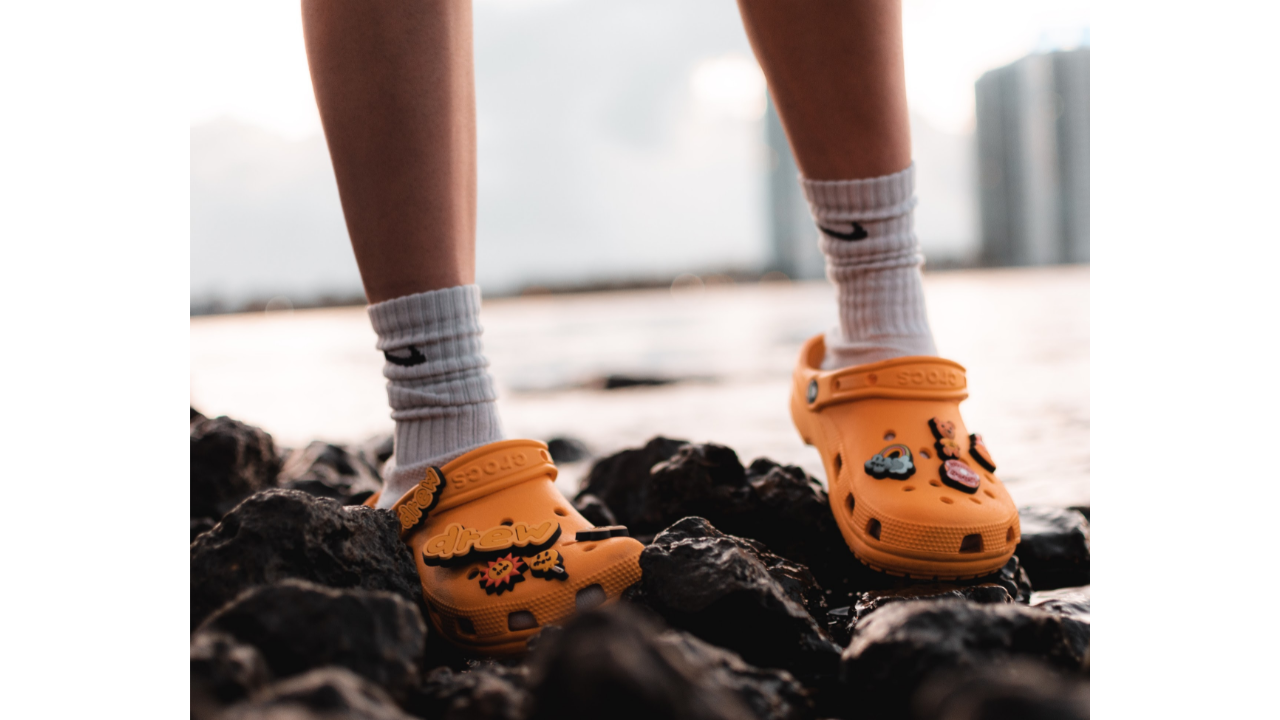
Hiker Crocs refer to a type of footwear that combines the comfort and versatility of Crocs with the design elements of hiking boots. Crocs are a brand of lightweight, slip-on shoes known for their distinctive clog-like appearance and cushioned material. They are typically made of a foam resin called Croslite, which provides a comfortable and supportive fit.
Hiker Crocs, as the name suggests, are Crocs designed with features reminiscent of traditional hiking boots. They often feature a more rugged outsole with deeper treads for improved traction on various terrains. Hiker Crocs may also include additional design elements such as laces or adjustable straps to provide a secure fit and ankle support.
These shoes offer a unique combination of comfort, breathability, and outdoor functionality. They are popular among individuals who enjoy outdoor activities but prefer the comfort and convenience of Crocs. Hiker Crocs can be a practical choice for casual hikes, camping trips, or other outdoor adventures where a balance of comfort and traction is desired.
It’s important to note that Crocs, including Hiker Crocs, are primarily designed for casual wear and light outdoor activities. They may not provide the same level of support and protection as traditional hiking boots designed for more strenuous or technical hiking trails. If you plan to undertake challenging hikes or encounter rugged terrain, it’s advisable to invest in proper hiking boots that offer enhanced stability and protection.
Is it OK to Use Crocs for Hiking?
Crocs are not typically designed or marketed as hiking shoes. They are known for their comfort, breathability, and versatility. While they may seem like a convenient option due to their slip-on design and lightweight construction, there are several factors to consider before using Crocs for hiking. Let’s take a closer look at the pros and cons.
Pros of Using Crocs for Hiking
- Comfort: Crocs are renowned for their comfort. They feature cushioned soles and ample room for your feet to breathe and move around, making them a comfortable choice for shorter hikes or as camp shoes.
- Breathability: The ventilation holes in Crocs allow for excellent airflow, keeping your feet cool and reducing the chances of excessive sweating or blisters.
- Lightweight: Crocs are incredibly lightweight, which can be beneficial for hikers who prefer minimalistic gear and want to reduce the overall weight of their backpack.
- Quick Drying: Crocs are made from a material called Croslite, which is water-resistant and quick-drying. This feature is advantageous when crossing streams or encountering wet conditions on the trail.
- Versatility: Apart from hiking, Crocs can be used for various outdoor activities like camping, fishing, and beach trips. They are easy to clean and maintain, making them a versatile footwear option.
Cons of Using Crocs for Hiking
- Lack of Support: One of the main drawbacks of Crocs for hiking is the lack of proper arch support and cushioning. Hiking involves navigating uneven terrains, and inadequate support can lead to discomfort or even foot injuries.
- Limited Traction: Crocs have a smooth and flat sole, which may not provide sufficient traction on slippery or rocky surfaces. This lack of grip can increase the risk of slipping and falling during hikes.
- Vulnerability to Debris: The ventilation holes in Crocs, while beneficial for breathability, can also allow small rocks, twigs, or other debris to enter the shoe. This can be uncomfortable and potentially hazardous during hikes.
- Limited Protection: Crocs do not provide the same level of foot protection as dedicated hiking shoes or boots. They lack toe caps and sturdy materials that can shield your feet from sharp objects or impacts.
- Weather Limitations: Crocs may not be suitable for hiking in certain weather conditions. They offer minimal insulation, making them less ideal for cold or wet environments where you need more protection and warmth.
Frequently Asked Questions (FAQs)
Q: Can I wear socks with Crocs for hiking?
A: While it is possible to wear socks with Crocs, it is not the recommended approach for hiking. Socks can hinder the breathability and quick-drying properties of Crocs, defeating their purpose. It’s best to wear Crocs without socks.
Q: Are there any alternative footwear options for hiking?
A: Yes, there are several alternatives to Crocs for hiking. Some popular choices include hiking shoes, hiking sandals, and hiking boots. These options provide better support, traction, and protection for your feet during hikes.
Q: Are Crocs suitable for short hikes or as camp shoes?
A: Yes, Crocs can be a suitable choice for shorter hikes or as camp shoes. Their comfort, breathability, and lightweight nature make them convenient for such purposes. However, for longer hikes or challenging terrains, it is advisable to opt for more specialized footwear.
Q: Can I use Crocs for water activities during hikes?
A: Yes, Crocs are well-suited for water activities during hikes. Their quick-drying nature and water-resistant material make them ideal for crossing streams or walking along the shoreline.
Q: Are there any specific hiking activities where Crocs excel?
A: While Crocs may not be the top choice for traditional hiking, they can excel in certain hiking activities like creek walking, water hiking, or hiking in relatively flat and dry terrains.
Q: How do I maintain and clean my Crocs after hiking?
A: Cleaning Crocs is a straightforward process. You can use mild soap, warm water, and a soft brush to remove dirt or stains. Avoid using harsh chemicals or abrasive materials that can damage the material.
Conclusion
In conclusion, using Crocs for hiking comes with its own set of pros and cons. While they offer comfort, breathability, and versatility, their lack of support, limited traction, and vulnerability to debris may pose challenges during hikes. Ultimately, the decision to use Crocs for hiking depends on the individual’s preferences, the length and difficulty of the hike, and the specific terrain and weather conditions. If you decide to give Crocs a try, it is recommended to start with shorter and less demanding hikes to assess their suitability for your needs. Remember to prioritize your comfort, safety, and the overall enjoyment of your hiking experience.