Contents
Table of Contents
Car Roof Box Secrets You Need to Know: Unleashing the Power of Roof Box Storage
Introduction
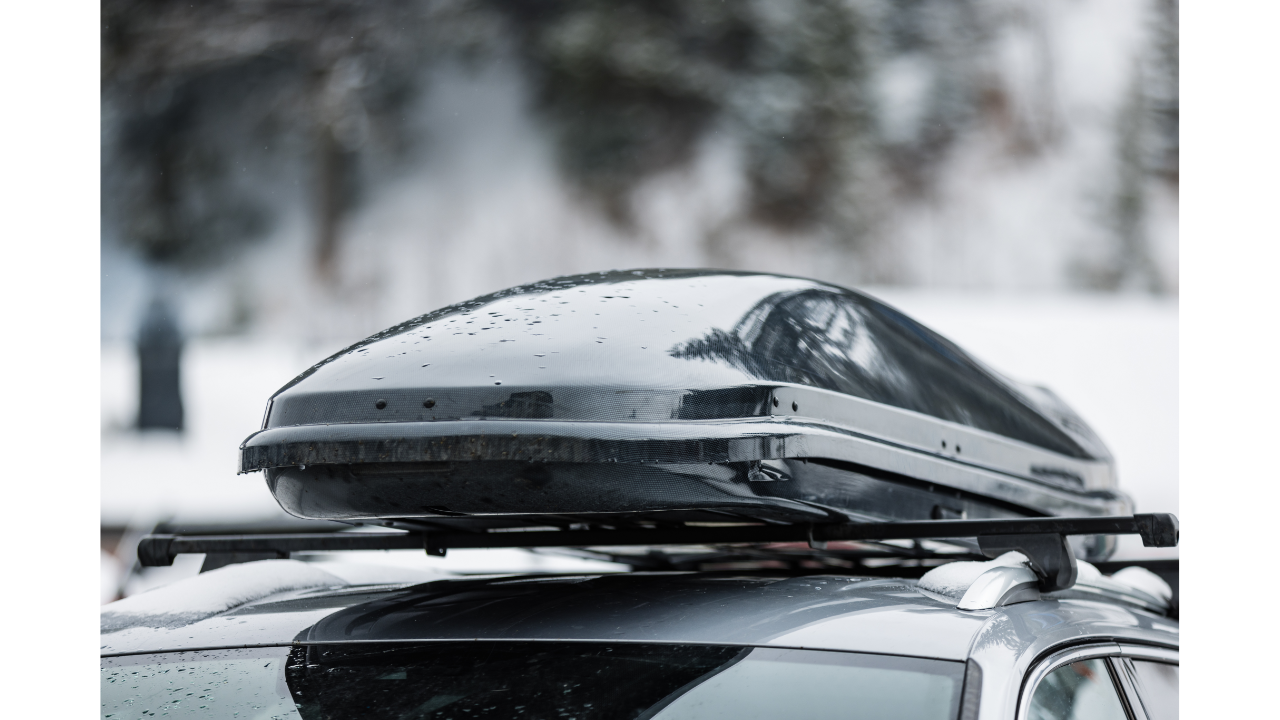
As an avid traveller, you must have encountered the challenge of fitting all your gear into your car for an exciting journey. This is where car roof boxes come to the rescue! Car roof boxes, also known as rooftop cargo carriers, offer additional storage space for all your belongings, making road trips and vacations more enjoyable. However, to make the most of these rooftop marvels, you need to be aware of the hidden secrets that can transform your travel experience.
In this article, we will delve deep into the world of car roof boxes, uncovering valuable insights, expert tips, and answers to frequently asked questions. By the end, you’ll be equipped with the knowledge and expertise to unlock the full potential of roof box storage.
Car Roof Box Secrets You Need to Know
Understanding Car Roof Boxes: Types and Designs
Before diving into the nitty-gritty, let’s explore the different types and designs of car roof boxes available in the market. From hard-shell to soft-shell, and aerodynamic to square-shaped, each design comes with its unique set of advantages and drawbacks.
Choosing the Perfect Car Roof Box: Factors to Consider
Selecting the ideal car roof box demands thoughtful contemplation of several crucial factors. From the size and material to the mounting options, each element plays a significant role in determining the perfect fit for your needs. Let’s delve deeper into these essential considerations, as we aim to provide you with valuable guidance to make an informed and satisfactory decision.
1. Size Matters: Assessing Your Storage Requirements
The first step in choosing the right car roof box is evaluating your storage needs. Consider the types of items you usually carry on your trips. Are you packing camping gear, sports equipment, or luggage for the whole family? Understanding your storage requirements will help you determine the appropriate size of the roof box.
Keep in mind that larger roof boxes provide more space but might impact your vehicle’s aerodynamics and fuel efficiency. On the other hand, smaller roof boxes might not be sufficient to accommodate all your essentials. Strike a balance between size and functionality to ensure optimal performance.
2. Material: Balancing Durability and Weight
Car roof boxes come in various materials, each offering distinct advantages. Common materials include:
a. Hard-Shell ABS Plastic
Hard-shell roof boxes, typically made from ABS plastic, provide excellent durability and protection for your belongings. They are resistant to impacts, weather conditions, and UV rays. However, they tend to be heavier than other options, potentially affecting your car’s center of gravity.
b. Soft-Shell Fabric
Soft-shell roof boxes are lighter and more flexible, often made from high-quality fabric materials. They are easier to store when not in use and can be a practical choice for occasional travelers. However, they might offer slightly less protection from external elements compared to hard-shell options.
3. Mounting Options: Compatibility and Convenience
Car roof boxes can be mounted using various systems, and it’s essential to choose one that matches your vehicle’s roof rack and your ease of use.
a. Roof Rail System
If your car is equipped with roof rails, you can opt for roof boxes that attach directly to these rails. This system provides a secure and stable connection, making it a popular choice for many vehicles.
b. Crossbar System
If your car has crossbars instead of roof rails, you’ll need a roof box that can be attached to these bars. This system is versatile and works with different car models.
c. No Roof Rack System
If your car doesn’t have a roof rack, you can explore options that come with their own mounting hardware and can be installed directly to the roof.
4. Aerodynamics and Wind Noise: Consideration for Comfortable Driving
Aerodynamics play a vital role in reducing wind resistance and noise while driving with a roof box. Look for designs with sleek contours and streamlined shapes, as they can minimize drag and enhance fuel efficiency. Additionally, some roof boxes come with features like diffusers or spoilers to further optimize aerodynamics and reduce wind noise.
5. Weight Limit: Safety and Performance
Adhering to the designated weight limit of your car roof box is absolutely crucial for maintaining safety and ensuring a smooth and secure journey. Exceeding the weight capacity can have serious consequences, compromising your vehicle’s stability, handling, and overall safety on the road. To avoid potential hazards and ensure a safe trip, it’s essential to calculate the combined weight of your belongings and make sure it falls well within the specified limit.
1. Start with the Manufacturer’s Weight Rating
Begin by consulting the manufacturer’s specifications or user manual for your roof box. The weight rating provided by the manufacturer indicates the maximum amount of weight that the roof box can safely carry. It includes both the weight of the contents inside the box and the weight of the box itself.
2. Weigh Your Belongings
Gather all the items you plan to load into the roof box and weigh them using a household scale or luggage scale. Be sure to include everything that will be placed inside the roof box, including clothing, gear, equipment, and any other travel essentials.
3. Calculate the Total Weight
Add up the individual weights of all your belongings to calculate the total weight that will be placed inside the roof box. Make sure to account for any loose items, packing materials, or accessories that you plan to load as well.
4. Include the Roof Box Weight
Remember to include the weight of the empty roof box itself in your calculations. This weight is typically listed in the manufacturer’s specifications and should be accounted for when determining the total weight the roof box can handle.
5. Confirm Your Vehicle’s Roof Capacity
Check your vehicle’s user manual or consult the car manufacturer to find the maximum weight capacity for your roof. This capacity includes the weight of the roof box, its contents, and any additional roof-mounted accessories.
6. Distribute Weight Evenly
When loading the roof box, distribute the weight evenly to maintain balance and stability. Placing heavier items towards the center and lighter items towards the sides helps to ensure a well-balanced load.
7. Stay Well Within the Limit
Once you’ve calculated the total weight of your belongings and factored in the weight of the roof box itself, make sure the combined weight falls well within the manufacturer’s specified limit and your vehicle’s roof capacity.
8. Periodic Weight Checks
During longer journeys, periodically check the weight of your roof box and its contents to ensure that no additional items have been added and that the weight remains within the safe range.
9. Keep Important Items Within Reach
Arrange your belongings strategically so that essential items are easily accessible during the trip. This will minimize the need to open the roof box frequently and disturb the load.
10. Prioritize Safety
Remember that safety should always be the top priority. Avoid the temptation to overload the roof box, as exceeding the weight limit can compromise your vehicle’s handling, increase the risk of accidents, and potentially result in fines for violating road safety regulations.
By carefully calculating the weight of your belongings and ensuring it falls within the designated limit, you can enjoy a safe and stress-free journey with your roof box. Prioritizing safety and responsible loading practices will not only protect you and your passengers but also contribute to a positive and enjoyable travel experience.
6. Accessibility: Dual-Side Opening or Single-Side Opening
Consider the accessibility of your roof box. Some models offer dual-side openings, allowing you to access your belongings from either side of the vehicle. This feature can be incredibly convenient, especially in cramped parking spaces or when loading and unloading in tricky situations. However, dual-side opening options might be slightly more expensive than single-side opening ones.
7. Security Features: Protecting Your Belongings
The security of your belongings is paramount. Look for roof boxes with reliable locking mechanisms to safeguard your possessions during travel. Some models come with integrated locks, while others offer additional security options like anti-theft systems and reinforced latches.
8. Brand Reputation and Reviews: Trustworthy Choices
Before making a final decision, research various brands and read customer reviews to gauge the performance and reliability of different car roof boxes. Reputable brands with positive feedback from customers are generally a safer bet, ensuring you invest in a quality product.
By considering these essential elements, you can confidently navigate the world of car roof boxes and select the perfect one to cater to your specific travel needs. A well-informed choice will undoubtedly enhance your travel experiences and open up a world of possibilities for your future adventures.
Roof Box Top Picks
[product_table id=”285885″]
Installing Your Car Roof Box: A Step-by-Step Guide
Proper installation of your car roof box is a critical step to ensure a safe and secure journey. Failing to install the roof box correctly can lead to potential hazards on the road and compromise the stability of your vehicle. To ensure you have your roof box fixed properly before embarking on your adventure, we’ll guide you through a comprehensive step-by-step installation process.
Step 1: Gather the Necessary Tools
Before you begin the installation, gather all the necessary tools and equipment. Most roof boxes come with a mounting kit that includes brackets, bolts, and keys for locking. Additionally, you may need a screwdriver, measuring tape, and a ladder or step stool for easier access to the roof of your vehicle.
Step 2: Clear and Clean the Roof
Thoroughly clean the roof of your car to ensure a clean and stable surface for mounting the roof box. Remove any dirt, debris, or old adhesive residues. This will help create a strong and reliable connection between the roof and the roof box.
Step 3: Assemble the Roof Box
If your roof box comes disassembled, follow the manufacturer’s instructions to put it together. Ensure all the components are securely attached, and any locks or fasteners are in place.
Step 4: Position the Roof Box
Carefully place the roof box on the roof of your car, positioning it according to the mounting instructions provided by the manufacturer. Take note of the alignment and clearance from the edges of the roof to ensure it is cantered properly.
Step 5: Attach the Roof Box to the Roof Rack
If your car has roof rails or crossbars, align the roof box’s mounting brackets with the roof rack system. Slide the U-bolts or clamps through the designated holes on the roof box and secure them onto the roof rack. Tighten the bolts or clamps appropriately, ensuring a snug fit.
Step 6: Check for Stability
After attaching the roof box to the roof rack, give it a gentle shake to check for any wobbling or movement. If you notice any instability, recheck the tightness of the bolts or clamps and adjust as needed until the roof box is firmly secured.
Step 7: Test the Locking Mechanism
If your roof box comes with a locking mechanism, test it to ensure it works smoothly and securely. This will provide an added layer of protection for your belongings during your journey.
Step 8: Load Your Belongings
With the roof box properly installed and secured, begin loading your belongings inside. Distribute the weight evenly and avoid overloading the roof box beyond its specified weight limit.
Step 9: Check for Clearance
Before hitting the road, check for clearance of the roof box with any obstacles, such as the garage door or low-clearance structures. Ensure the roof box does not obstruct the rearview or side mirrors of your vehicle.
Step 10: Recheck the Installation
Before you start driving, take a final walk around your car to recheck the roof box installation. Ensure everything is in place, and there are no loose components.
By following this step-by-step installation guide, you can have the peace of mind that your roof box is securely fixed, and you can embark on your journey with confidence. Remember, a properly installed roof box not only ensures a safe and secure travel experience but also allows you to fully enjoy your road trips and vacations to the fullest.
Best Cycle Carriers
[product_table id=”287081″]
Maximizing Space: Packing Tips and Tricks
Effectively utilizing the space inside your car roof box is an art that can make a significant difference in the success of your journey. A well-packed roof box not only ensures that you can carry all your essentials but also maximizes the available space, keeping your belongings safe and secure throughout the trip. To help you master the art of packing, we’ve compiled the best strategies, organization tips, and hacks to fit everything you need seamlessly into your roof box.
- Make a Packing Checklist
Before you start packing, create a detailed checklist of all the items you plan to take on your trip. Categorize them into groups like clothing, camping gear, sports equipment, etc. This will not only help you keep track of everything but also ensure you don’t forget any essential items.
- Optimize the Space with Packing Cubes and Bags
Invest in packing cubes and compression bags to optimize the use of space inside your roof box. These handy organizers allow you to pack clothes and other soft items efficiently, reducing their volume and creating more room for other belongings.
- Pack Heavy Items at the Bottom
To maintain stability and prevent the roof box from becoming top-heavy, place heavier items at the bottom. This will lower the center of gravity and distribute the weight evenly, ensuring a safer and smoother driving experience.
- Utilize Every Nook and Cranny
Make use of every available space inside the roof box, including the corners and gaps between larger items. Tuck in smaller items or fill these spaces with rolled-up clothes to make the most of the available room.
- Follow the Tetris Approach
Packing a roof box is much like playing Tetris – aim to fit items together like puzzle pieces. Stack items of similar shapes and sizes neatly to create a compact and secure arrangement. This method also helps in minimizing shifting during transit.
- Keep Frequently Used Items on Top
Place items that you might need to access frequently during the trip, such as snacks, a first aid kit, or rain gear, on the top layer for easy reach. This way, you won’t have to unpack the entire roof box to find what you need.
- Secure Items with Straps or Bungee Cords
Use straps or bungee cords to secure items and prevent them from moving around while driving. This adds an extra layer of protection to fragile items and helps maintain organization inside the roof box.
- Disassemble Bulky Items
If you have larger items like tents or chairs, consider disassembling them to reduce their size before packing. This not only saves space but also allows you to utilize the roof box more efficiently.
- Place Fragile Items Carefully
When packing fragile items, use soft padding like clothing or blankets to cushion them. Avoid placing them near the edges or in direct contact with hard surfaces to minimize the risk of damage during transit.
- Keep Weight Distribution in Mind
Distribute the weight evenly across the roof box to maintain balance and stability while driving. Avoid overloading one side or corner, as this can affect your car’s handling and increase the risk of accidents.
By employing these packing strategies, organization tips, and clever hacks, you can become a master at fitting all your essentials seamlessly inside your car roof box. Enjoy a stress-free and well-organized journey, knowing that your belongings are securely packed and ready for your adventures ahead.
Safe Driving with a Loaded Roof Box: Precautions and Best Practices
Driving with a rooftop cargo carrier adds an extra dimension to your driving experience, demanding increased attention and adherence to safety guidelines. To ensure a safe and smooth journey, it’s crucial to follow specific precautions and best practices that will help maintain stability and minimize potential risks associated with driving with a rooftop cargo carrier.
- Reduce Speed and Avoid Sudden Manoeuvres
When driving with a rooftop cargo carrier, it’s essential to reduce your speed and avoid sudden manoeuvres, such as quick lane changes or sharp turns. The additional weight and height of the roof box can affect your car’s centre of gravity, potentially impacting its stability during rapid movements.
- Be Mindful of Clearance Heights
Always be aware of the clearance heights when driving with a rooftop cargo carrier. The added height may restrict your access to certain areas, such as low-clearance structures or parking garages. Pay attention to signs indicating height restrictions and plan your route accordingly.
- Adjust Driving Style in Adverse Weather Conditions
Adverse weather conditions, such as rain, snow, or strong winds, can further challenge the stability of your vehicle with a rooftop cargo carrier. Reduce your speed and maintain a safe following distance in these conditions to ensure better control and prevent hydroplaning.
- Regularly Check Mounting and Securement
Before every journey, double-check the mounting and securement of the rooftop cargo carrier. Ensure that all bolts, clamps, and locks are properly tightened to prevent any loosening during transit. Periodically inspect the roof box and its attachments during long trips to maintain stability.
- Stay Within Weight Capacity Limits
Adhering to the weight capacity limits of both the rooftop cargo carrier and your vehicle’s roof is crucial for safety. Overloading the roof box can strain the roof rack and affect your car’s handling and braking performance. Refer to the manufacturer’s guidelines and distribute the weight evenly inside the roof box.
- Minimize Wind Resistance
Driving at high speeds can create wind resistance, which may impact fuel efficiency and stability. Minimize wind resistance by using an aerodynamic roof box and avoiding excessive speed.
- Use Extra Caution While Changing Lanes
When changing lanes, be extra cautious and use your mirrors effectively to ensure there are no blind spots. The rooftop cargo carrier may obstruct some of your view, so take the necessary time to check your surroundings before making a lane change.
- Account for Increased Stopping Distance
With the added weight on the roof, your vehicle’s stopping distance may increase. Leave ample space between your car and the vehicle in front to compensate for this change and avoid sudden braking whenever possible.
- Be Cautious of Height Clearance in Parking Structures
When parking in multi-level parking structures, be mindful of the increased height of your vehicle with the rooftop cargo carrier. Look for spaces with higher clearance and avoid areas with low ceilings that may cause damage to the roof box.
- Remove the Roof Box When Not in Use
If you won’t be using the rooftop cargo carrier for an extended period, consider removing it from your vehicle. This not only reduces wind resistance and potential fuel consumption but also extends the life of the roof box and its mounting system.
By following these precautions and best practices, you can maintain stability and ensure a smooth drive with your rooftop cargo carrier. Driving responsibly and attentively will not only safeguard your belongings but also enhance the safety and enjoyment of your journey.
Securing Your Valuables: Tips to Prevent Theft
When traveling with a roof box, ensuring the security of your belongings becomes even more crucial. The added convenience of extra storage space can attract unwanted attention from potential thieves. To safeguard your valuables and prevent theft during your travels, follow these essential tips:
- Choose a Secure Roof Box
Selecting a high-quality roof box with built-in security features is the first step in protecting your belongings. Look for models with sturdy locks, reinforced latches, and tamper-resistant mechanisms. Investing in a reputable and reliable brand will provide an added layer of protection.
- Park Strategically
When parking your vehicle, choose well-lit and busy areas whenever possible. Thieves are less likely to attempt a break-in in places with high visibility. If you’re staying at a hotel, inquire about secure parking facilities or monitored parking lots.
- Keep Valuables with You
While the roof box provides ample storage, keep essential and high-value items with you in the passenger compartment. This includes passports, identification, electronic devices, and valuable jewelry. If you make stops during your journey, never leave these items unattended in the vehicle.
- Use Additional Locks and Straps
Consider using extra security measures, such as cable locks or steel straps, to further secure the roof box. These deterrents can discourage thieves from attempting to open the box, as they add an extra layer of complexity.
- Register Your Roof Box
Register your roof box with the manufacturer if there is an option to do so. In the event of theft, this registration can assist authorities in tracking and identifying the stolen item.
- 7. Be Discreet About Your Travel Plans
Avoid discussing your travel itinerary or destination loudly in public places. Be discreet when mentioning your road trip plans to minimize the risk of potential thieves being alerted.
- Check Your Roof Box Regularly
During breaks or rest stops, take a moment to inspect the roof box and ensure it is securely closed and locked. Periodically check the mounting and attachments to confirm everything is in place.
- Install a Roof Box Alarm
Consider installing a roof box alarm system that alerts you if the box is tampered with or opened without authorization. These alarms can be an effective deterrent against theft attempts.
- Purchase Travel Insurance
Obtain comprehensive travel insurance that covers theft and loss of personal belongings. In the unfortunate event of theft, having insurance can provide some financial relief and assistance in recovering your losses.
By following these tips and staying vigilant, you can ensure the security of your belongings when using a roof box and enjoy a worry-free and enjoyable journey. Remember, prevention is the best defense against theft, so take the necessary precautions to protect your valuables during your travels.
Weatherproofing Your Roof Box: Keeping Contents Dry and Clean
Don’t let bad weather put a damper on your travel plans! Weatherproofing your car roof box is essential to ensure that your belongings remain safe and dry during adverse weather conditions, such as rain, snow, and dust. Here are some valuable tips on how to weatherproof your roof box and safeguard your belongings:
- Choose a Waterproof Roof Box
Investing in a waterproof roof box is the first step in weatherproofing your belongings. Look for models made from durable and water-resistant materials, such as high-quality ABS plastic or coated fabric. Many reputable brands offer roof boxes specifically designed to withstand rain and snow.
- Check the Roof Box Seals
Regularly inspect the seals around the edges of the roof box for any signs of wear or damage. Cracked or worn-out seals can compromise the waterproofing of the box, allowing water and dust to seep in. Replace any damaged seals promptly to maintain optimal weatherproofing.
- Apply Weatherproofing Sealant
Consider applying weatherproofing sealant around the edges and seams of the roof box for an added layer of protection. Choose a high-quality sealant suitable for the material of your roof box, and follow the manufacturer’s instructions for application.
- Use Waterproof Cargo Bags or Liners
For an extra level of protection, place your belongings inside waterproof cargo bags or liners before loading them into the roof box. These additional barriers will shield your items from moisture and keep them dry even in heavy rain or snow.
- Organize and Pack Strategically
Organize your belongings in a way that minimizes exposure to potential water entry points. Place items that are sensitive to water damage, such as electronics or clothing, in the center of the roof box and surround them with more water-resistant items.
- Install Roof Box Rain Guards
Consider installing roof box rain guards or deflectors on the front edge of the roof box. These guards redirect rainwater away from the box, reducing the chances of water getting inside.
- Add Lockable Latches
Upgrade to lockable latches for your roof box to ensure a tight and secure closure. These latches not only prevent theft but also create a tighter seal, keeping rain and dust out.
- Secure the Roof Box Properly
Make sure the roof box is securely fastened to your car’s roof rack. A well-fitted and tightly secured roof box is less likely to allow water or dust to penetrate inside.
- Consider a Roof Box Cargo Net or Tarp
For additional protection, cover the entire roof box with a waterproof cargo net or tarp before setting off on your journey. This extra layer will shield the box from rain, snow, and dust, providing peace of mind during unpredictable weather.
- Inspect Regularly During Long Trips
If you’re embarking on a long journey, periodically inspect the roof box during breaks or rest stops. Check for any signs of water or dust infiltration, and make adjustments as needed to maintain weatherproofing.
By following these tips and taking the necessary precautions, you can weatherproof your car roof box effectively and ensure that your belongings remain protected from rain, snow, and dust. With a well-protected roof box, you can confidently embrace your travel adventures, knowing that your possessions are safe and dry throughout the journey.
Eco-Friendly Roof Boxes: Advancing Sustainability
As responsible travellers, we have a responsibility to consider the environmental impact of our choices, including the accessories we use for our journeys. Opting for eco-friendly roof box options is an excellent way to contribute to a sustainable future and reduce our carbon footprint. Here are some eco-conscious choices you can make when selecting a roof box:
- Choose Recycled Materials
Look for roof boxes made from recycled materials. Many manufacturers are now using recycled plastics and other sustainable materials to create their products. By choosing a roof box made from recycled materials, you help reduce the demand for new resources and support the recycling industry.
- Select Aerodynamic Designs
Opt for roof boxes with aerodynamic designs. Aerodynamic roof boxes reduce wind resistance and drag, which can improve your vehicle’s fuel efficiency. By minimizing air resistance, you’ll be consuming less fuel and reducing greenhouse gas emissions during your travels.
- Consider Lightweight Models
Choose lightweight roof boxes whenever possible. Lighter roof boxes not only enhance your vehicle’s handling and stability but also contribute to fuel efficiency by reducing the overall weight of your car. Lighter vehicles consume less fuel and have a lower environmental impact.
- Prioritize Longevity and Durability
Invest in a high-quality, durable roof box that will stand the test of time. A long-lasting roof box means less waste generated over the years, as you won’t need to replace it frequently. Durability is an essential aspect of sustainability.
- Opt for Locally Manufactured Roof Boxes
Whenever feasible, choose roof boxes that are manufactured locally. Local production reduces transportation-related emissions, as the roof boxes don’t have to travel long distances to reach the market. Supporting local businesses also fosters regional economic growth.
- Choose Removable Roof Boxes
Consider using removable roof boxes rather than fixed ones. Removable roof boxes can be taken off when not in use, reducing air resistance and fuel consumption during your everyday driving. This flexibility helps minimize the environmental impact of your vehicle.
- Support Brands with Environmental Initiatives
Research and support brands that have strong environmental initiatives. Look for manufacturers that are committed to reducing their carbon footprint, using sustainable materials, and implementing eco-friendly practices in their production processes.
- Reduce Single-Use Plastics
When packing your belongings in the roof box, avoid using single-use plastic bags. Instead, opt for reusable packing cubes or bags made from eco-friendly materials.
- Offset Your Carbon Footprint
Consider offsetting the carbon emissions from your travels by supporting carbon offset projects. These initiatives invest in renewable energy, reforestation, and other activities that help counterbalance the carbon emissions produced during your journey.
By making eco-friendly choices when selecting a roof box and adopting sustainable practices during your travels, you can actively contribute to a greener and more sustainable future. Every small step towards reducing our environmental impact counts, and as responsible travelers, we can lead the way towards a more eco-conscious and mindful approach to exploration. Let’s embark on our journeys with the planet’s well-being in mind, creating a positive impact wherever we go.
Car Roof Box Accessories: Enhancing Convenience
Enhancing your roof box experience can be achieved with the addition of a variety of accessories designed to improve convenience, security, and organization. These accessories are designed to complement your roof box and make your travels even more enjoyable. Here are some essential roof box accessories to consider:
- Locks and Security Systems
Investing in high-quality locks and security systems is paramount to ensure the safety of your belongings during your travels. Choose lockable latches or integrated lock systems for your roof box to deter theft and keep your items secure during stops and overnight stays.
- Cargo Nets and Straps
Cargo nets and straps are invaluable accessories for organizing and securing your belongings inside the roof box. These accessories prevent items from shifting during transit, reducing the risk of damage and optimizing the use of available space.
- Roof Box Rain Guards
Roof box rain guards, also known as deflectors, are designed to redirect rainwater away from the front edge of the roof box. They help minimize water seepage and keep your belongings dry during rainy weather.
- Roof Box Cargo Organizers
Cargo organizers, such as dividers and storage boxes designed specifically for roof boxes, can help you keep your belongings neatly organized and easily accessible. They prevent items from mixing together and facilitate efficient packing and unpacking.
- Roof Box Mats or Liners
Consider adding a roof box mat or liner to protect the interior of the roof box from scratches and abrasions. The liner also serves as an extra layer of insulation, protecting your items from extreme temperatures.
- Roof Box Wind Fairings
Roof box wind fairings are accessories designed to reduce wind resistance and noise while driving with a roof box. They improve aerodynamics and contribute to better fuel efficiency during your journeys.
- Roof Box Lights
Roof box lights provide illumination inside the box, making it easier to find your belongings during nighttime stops. LED lights are energy-efficient and perfect for ensuring visibility when accessing your items in the dark.
- Roof Box Lift Assist
If you have a large or heavy roof box, consider installing a lift assist system. These accessories make it easier to load and unload your belongings by reducing the weight of the roof box and providing additional support during lifting.
- Roof Box Roof Racks and Crossbars
Ensure you have compatible roof racks or crossbars to securely attach your roof box to the roof of your vehicle. Roof racks and crossbars provide a stable foundation for your roof box and ensure a safe and reliable attachment.
- Roof Box Cargo Bags
For additional protection against water and dust, consider using roof box cargo bags. These water-resistant bags can be placed inside the roof box to provide an extra layer of protection for your belongings.
By incorporating these roof box accessories into your travel setup, you can enhance your roof box experience and make the most of your adventures. From increased security to improved organization, these accessories add convenience and peace of mind to your travels, allowing you to focus on the joy of the journey ahead.
Tips for Storing Your Roof Box During Off-Season
Properly storing your roof box during the off-season is essential for maintaining its condition and extending its lifespan. By following these tips, you can ensure that your rooftop cargo carrier remains in excellent shape and ready for your next adventure:
1. Clean and Dry Thoroughly
Before storing your roof box, make sure to clean it thoroughly. Remove any dirt, dust, or debris from both the interior and exterior surfaces. Use mild soap and water to clean the box, and allow it to dry completely before storing.
2. Remove Contents and Accessories
Empty the roof box of all its contents, including any accessories or organizers you may have used during your travels. Check all compartments and pockets to ensure nothing is left behind.
3. Inspect for Damage
Perform a careful inspection of the roof box for any signs of damage or wear. Check the locks, hinges, and seals to ensure they are in good condition. Address any issues before storing to prevent further deterioration during the off-season.
4. Disassemble if Possible
If your roof box is designed to be disassembled, consider taking it apart for more convenient storage. This reduces the space needed for storing and can make transportation easier.
5. Store in a Cool and Dry Location
Find a cool, dry, and well-ventilated location for storing your roof box. Extreme temperatures, humidity, or direct sunlight can damage the box over time. Consider using a climate-controlled storage area, such as a garage or storage unit, to maintain optimal conditions.
6. Use a Protective Cover
Consider using a protective cover for your roof box to shield it from dust and debris during storage. A cover made from breathable materials will prevent mold or mildew from forming while allowing air circulation.
7. Store in a Horizontal Position
Store the roof box in a horizontal position to prevent warping or distortion. Placing the box on its side or vertically may compromise its structural integrity over time.
8. Elevate the Roof Box
To avoid damage from direct contact with the floor, elevate the roof box slightly by placing it on wooden blocks or pallets. This prevents moisture from seeping into the box and helps maintain its condition.
9. Lubricate Moving Parts
If your roof box has moving parts, such as hinges or locks, consider applying a small amount of lubricant to keep them functioning smoothly during storage.
10. Periodic Checks
During the off-season, perform periodic checks on the roof box to ensure it remains in good condition. Look for any signs of damage, mold, or pest infestation, and address issues promptly.
By following these tips, you can store your roof box properly during the off-season, ensuring that it stays in optimal condition for years to come. Proper storage not only protects your investment but also ensures that your rooftop cargo carrier is ready to accompany you on your future adventures without a hitch. With a well-maintained roof box, you can look forward to many more exciting and hassle-free journeys ahead.
Breaking Down the Cost: Are Roof Boxes Worth It?
Investing in a roof box is indeed a decision that requires careful financial consideration. While roof boxes offer numerous benefits and convenience, it’s essential to break down the costs and assess whether they are worth the investment for your specific needs. Let’s take a closer look at the various costs associated with roof boxes and evaluate their overall value:
1. Initial Cost of the Roof Box
The primary cost of investing in a roof box is the purchase price of the box itself. Roof boxes come in various sizes, materials, and brands, leading to a wide range of prices. The cost may vary from budget-friendly options to higher-end models with advanced features and increased durability.
2. Roof Rack or Crossbars
To install a roof box on your vehicle, you may need to invest in roof racks or crossbars. These serve as the foundation for attaching the roof box securely. If your vehicle already has roof rails, you might only need crossbars, but if not, roof racks might be necessary, adding to the overall investment.
3. Installation and Assembly
If you are not comfortable with DIY installation, there might be additional costs associated with having the roof box professionally installed. However, many roof boxes are designed for easy assembly and can be installed without the need for professional assistance.
4. Fuel Efficiency and Additional Fuel Costs
One aspect to consider is the potential impact on fuel efficiency. Roof boxes increase wind resistance, which can lead to decreased fuel economy, especially at higher speeds. While the impact may vary based on factors such as box design and driving habits, it’s important to be aware of potential additional fuel costs.
5. Maintenance and Repairs
Roof boxes, like any other outdoor equipment, may require maintenance over time. This includes regular cleaning, inspecting seals, and lubricating moving parts. In the event of damage or wear, repairs might also be necessary, potentially incurring additional costs.
6. Storage and Off-Season Costs
During the off-season or when not in use, you’ll need to find suitable storage for your roof box. If you lack adequate space at home, you might have to consider renting storage space, which could be an added expense.
7. Insurance Coverage
Before investing in a roof box, it’s advisable to check your car insurance policy to determine coverage for roof-mounted cargo carriers. Some insurance policies may cover roof boxes, while others might require an additional endorsement or coverage.
8. Value of Convenience and Additional Space
Beyond financial costs, it’s crucial to consider the value of the convenience and additional storage space that a roof box provides. Roof boxes are invaluable for travelers, campers, and outdoor enthusiasts, offering a secure and easily accessible solution for carrying bulky or extra gear.
9. Versatility and Long-Term Use
Roof boxes are versatile accessories that can be used for various purposes, from family vacations to transporting sports equipment. Their long-term use and durability can make them a valuable investment for frequent travellers or those with an active lifestyle.
10. Resale Value
If you anticipate using a roof box for a limited period, consider its potential resale value. High-quality roof boxes in good condition tend to retain their value well, which can offset some initial costs when it’s time to sell or upgrade.
In conclusion, the decision to invest in a roof box depends on individual needs, budget, and travel habits. For those who frequently embark on road trips or outdoor adventures, a roof box can be a valuable addition, providing additional storage and convenience. However, for occasional travelers or those with limited budgets, alternative storage options might be more cost-effective. Before making a decision, carefully assess your requirements and evaluate the long-term benefits of investing in a roof box. With thoughtful consideration, you can make an informed choice that aligns with your travel goals and financial plan.
Overcoming the Challenges of Loading and Unloading
Loading and unloading a roof box can indeed present challenges, especially when dealing with heavy or bulky items. However, with the right techniques and some practical solutions, you can make this process hassle-free and efficient. Here are some tips to help you load and unload your roof box with ease:
1. Organize and Prioritize Items
Before loading your roof box, organize your belongings and prioritize essential items that you may need during your journey. Place frequently used or urgent items at the top or in easily accessible positions to avoid the need to rummage through the entire box while on the road.
2. Use Packing Cubes or Bags
Utilize packing cubes or bags to compartmentalize and organize your items inside the roof box. These containers can help keep similar items together, making it easier to locate what you need without creating a mess.
3. Distribute Weight Evenly
Ensure an even distribution of weight inside the roof box to maintain stability and minimize the impact on your vehicle’s handling. Place heavier items closer to the center of the box and distribute the weight evenly on both sides.
4. Use a Step Stool or Step Ladder
If your vehicle is tall or you have difficulty reaching the roof, consider using a step stool or step ladder to make loading and unloading more accessible. This ensures that you can comfortably reach all areas of the roof box without straining.
5. Load Larger Items First
When loading your roof box, start with larger and bulkier items. Items like camping gear, sleeping bags, or sports equipment can be placed in the box first, creating a solid base for additional items.
6. Secure Loose Items
For loose or smaller items that may shift during transit, use cargo nets, bungee cords, or packing straps to secure them in place. This prevents items from moving around inside the roof box and helps maintain organization.
7. Use Loading Mats or Sliders
Loading mats or sliders can be useful when loading heavy or bulky items into the roof box. These mats reduce friction, making it easier to slide objects into position without straining your back or shoulders.
8. Ask for Assistance
If the roof box is too heavy or cumbersome to handle alone, don’t hesitate to ask for help. Enlist a friend or family member to assist you during the loading and unloading process, ensuring safety and efficiency.
9. Plan Ahead for Unloading
Before arriving at your destination, plan ahead for unloading the roof box. If you need certain items immediately upon arrival, place them on top or in an easily accessible location within the box.
10. Unload with Caution
When unloading the roof box, exercise caution and be mindful of your surroundings. Carefully remove items one by one, checking for any potential hazards such as sharp edges or heavy objects.
By following these practical solutions and techniques, you can make loading and unloading your roof box a hassle-free process. Proper organization, even weight distribution, and the use of helpful tools can greatly simplify the task, allowing you to focus on enjoying your journey without unnecessary stress or strain.
Decoding Weight Capacity and Limitations
Understanding the weight capacity of your roof box is of utmost importance for ensuring a safe and smooth journey. Overloading the roof box can lead to serious safety hazards, affecting your vehicle’s handling, fuel efficiency, and overall stability. To help you decode weight limitations and load your roof box properly, here’s some essential guidance:
1. Check Manufacturer’s Weight Rating
Begin by checking the manufacturer’s weight rating for your specific roof box model. This information can usually be found in the user manual or on the box itself. The weight rating indicates the maximum amount of weight the roof box can safely carry, including both the contents and the box’s weight itself.
2. Consider Your Vehicle’s Roof Capacity
In addition to the roof box’s weight rating, take into account your vehicle’s roof capacity. Your car’s roof, including roof rails or crossbars, has its own weight limit that you should not exceed. The combined weight of the roof box and its contents must not surpass this limit.
3. Calculate the Total Weight
To determine the total weight you can safely load into the roof box, subtract the weight of the empty roof box from the manufacturer’s weight rating. The remaining weight is the maximum capacity available for your belongings.
4. Distribute Weight Evenly
Evenly distribute the weight of your belongings inside the roof box. Placing heavier items in the center and lighter items on the sides ensures better balance and stability during your journey.
5. Follow Weight Distribution Guidelines
Adhere to weight distribution guidelines provided by the manufacturer. Some roof boxes may have specific instructions on where to place certain items to maintain optimal balance and prevent any impact on vehicle handling.
6. Secure Loose Items
Use packing cubes, bags, or dividers to secure loose items and prevent them from shifting during transit. Loose items can not only disrupt weight distribution but also create safety hazards.
7. Avoid Overloading
Resist the temptation to overload the roof box, even if it seems like there’s still some space left. Overloading can lead to structural damage, compromised safety, and potential fines if you violate road safety regulations.
8. Know the Dynamic Load Rating
Be aware of the dynamic load rating of your roof box. This rating refers to the weight the roof box can handle while the vehicle is in motion. It may differ from the static load rating (weight capacity when the vehicle is stationary).
9. Check Roof Box Locks and Latches
Before hitting the road, double-check that all locks and latches on the roof box are properly secured. Loose or faulty closures can lead to items falling out and pose a safety risk to other road users.
10. Avoid High-Speed Driving
While using a roof box, avoid excessive speeds and sudden maneuvers. Higher speeds can increase wind resistance and impact vehicle stability, especially if the roof box is heavily loaded.
By understanding your roof box’s weight capacity and following these guidelines for proper loading, you can ensure a safe and enjoyable journey. Prioritizing safety and responsible loading practices will not only protect you and your passengers but also contribute to a smooth and worry-free travel experience
.
FAQ’s (Frequently Asked Questions)
Q: Can I leave my car roof box on all year round?
A: While it’s possible, we recommend removing the roof box when not in use to prolong its lifespan and prevent unnecessary wear.
Q: Do roof boxes affect vehicle handling?
A: When installed correctly and within weight limits, roof boxes should not significantly impact vehicle handling.
Q: Can I paint my roof box to match my car’s colour?
A: While it’s technically possible, painting the roof box may void the warranty and could affect its performance. It’s best to check with the manufacturer first.
Q: How do I clean my roof box?
A: Clean your roof box with mild soap and water, and avoid harsh chemicals that could damage the material.
Q: Are roof boxes waterproof?
A: Most roof boxes are designed to be water-resistant, but not fully waterproof. It’s recommended to use waterproof covers for added protection during heavy rainfall.
Q: Can I stack items inside the roof box?
A: Stacking items is acceptable, but ensure they are packed securely to prevent shifting during transit.
Conclusion
Car roof boxes are an invaluable addition to any traveler’s arsenal, elevating the convenience and enjoyment of road trips and vacations. By understanding the secrets and best practices, you can make the most of this practical storage solution. From choosing the right roof box to packing efficiently and ensuring safety, these tips will enhance your travel experiences and make every journey unforgettable.
So, get ready to embark on extraordinary adventures with your car roof box and unlock the true potential of rooftop storage!