What is the Best Time of Day to Hike?
Introduction
When it comes to hiking, timing is everything. Choosing the best time of day to embark on your hiking adventure can greatly enhance your experience and ensure that you make the most of your outdoor journey. In this article, we will explore the various factors that influence the ideal time for hiking and provide you with valuable insights and tips to help you determine what is the best time of day to hike? Whether you’re a seasoned hiker or a beginner, understanding the optimal hiking times will allow you to maximize your enjoyment and make the most of the natural beauty that surrounds you.
What is the Best Time of Day to Hike?
Hiking enthusiasts often ponder over the question, “What is the best time of day to hike?” The answer to this question depends on several factors such as weather conditions, personal preferences, and the type of trail you plan to conquer. Let’s delve into the different times of day and explore their pros and cons.
Early Morning: Embrace the Magic of Dawn
Heading out for a hike in the early morning can be a truly enchanting and magical experience. As the world awakens from its slumber, nature unveils its serene beauty, inviting you to embark on a journey filled with tranquillity and wonder.
One of the captivating aspects of early morning hiking is the tranquil atmosphere that surrounds you. The world is still, and a sense of calm permeates the air. The hustle and bustle of daily life are yet to begin, allowing you to escape into a realm of serenity and peace. The gentle caress of the cool breeze against your skin invigorates your senses, awakening a sense of awe and anticipation for the adventures that lie ahead.
As the first rays of sunlight peek over the horizon, the sky begins to transform into a canvas of soft hues. Shades of pink, orange, and gold paint the heavens, casting a warm and ethereal glow upon the landscape. The beauty of a sunrise in nature is a sight to behold, evoking a sense of awe and reminding us of the magnificence of the natural world.
Embarking on an early morning hike also grants you the precious gift of solitude. By setting out early, you have the opportunity to avoid the crowds and immerse yourself in the peacefulness of nature. The trails are less frequented, allowing you to connect with the surroundings on a deeper level and experience a sense of serenity that is hard to find during busier times of the day.
Furthermore, the early morning hours provide a unique chance to witness the world as it awakens. The gentle rustling of leaves, the melodic chirping of birds, and the gradual emergence of wildlife from their night time hideouts create a symphony of natural sounds. Observing these moments of awakening allows you to become a part of the rhythm of nature, connecting you to the delicate balance of life in the wilderness.
It’s important to keep in mind that early mornings can be chilly, especially in certain seasons or locations. Dressing appropriately and layering up is essential to ensure your comfort throughout the hike. As the day progresses, you can shed layers to adapt to the changing temperature. Don’t forget to bring a light jacket or sweater to keep you warm during the initial stages of your hike.
Mid-Morning: Embrace the Energy
f you’re someone who enjoys a bit more activity and warmth during your hike, then mid-morning may be the ideal time for you to hit the trails. By this time, the sun has climbed higher in the sky, bathing the surroundings in its warm rays. The temperature has also risen, creating a comfortable and inviting environment for outdoor activities.
One of the advantages of mid-morning hikes is that the trails are usually well-lit. The sunlight penetrates through the tree canopies, casting beautiful dappled patterns on the forest floor. This natural illumination makes it easier to navigate your way along the trails, ensuring that you can enjoy your hike without any visibility concerns.
Another benefit of hitting the trails in the mid-morning is the opportunity to encounter fellow hikers. As the day progresses, more and more people venture out for their outdoor adventures. Mid-morning hikes allow you to connect with like-minded individuals who share a passion for exploring nature. It’s a chance to exchange hiking tips, share stories, and even make new friends along the way.
However, it’s important to keep in mind that popular trails may start to get crowded during this time. If you prefer a more solitary experience or want to immerse yourself in the tranquil serenity of nature, you may want to consider exploring lesser-known or off-the-beaten-path trails. Planning your hike accordingly, such as choosing less popular routes or starting earlier in the mid-morning, can help you avoid the crowds and find a balance between activity and solitude.
Remember to pack essential items such as sunscreen, a hat, and sufficient water to stay hydrated throughout your hike. Additionally, it’s always a good practice to leave no trace by following proper trail etiquette and respecting the natural environment.
Noon: Embrace the Challenge
For those seeking a more challenging hiking experience, venturing out during noon can provide a thrilling and demanding adventure. Hiking in the midday sun offers a unique set of conditions that push your physical limits and test your endurance.
One notable aspect of hiking during noon is the intense heat of the midday sun. The sun is at its highest point in the sky, casting powerful rays that can make the temperature soar. This increased heat adds an extra level of difficulty to your hike, as your body needs to work harder to regulate its temperature. It’s important to be aware of the potential risks associated with hiking in high temperatures and take necessary precautions to ensure your safety.
Staying hydrated is paramount during noon hikes. The heat and physical exertion can lead to rapid dehydration, so it’s crucial to carry an ample supply of water. Aim to drink water frequently and consistently throughout your hike to replenish the fluids lost through sweating. Additionally, consider packing electrolyte-rich beverages or snacks to replenish essential minerals and salts.
Protecting yourself from the sun’s rays is equally important. Apply a generous amount of sunscreen with a high SPF rating before setting out on your hike. Reapply as needed to ensure continuous protection. Wearing a wide-brimmed hat and lightweight, breathable clothing that covers your skin can help shield you from direct sunlight. Don’t forget to protect your eyes with sunglasses designed to block harmful UV rays.
Choosing the right trail is another crucial aspect of hiking during noon. Opt for trails that offer shade or sections with tree cover. This provides relief from the direct heat of the sun and allows you to take short breaks in cooler areas. It’s also advisable to plan your route in advance and familiarize yourself with the availability of water sources along the trail.
While hiking during noon presents unique challenges, it also offers a sense of accomplishment and personal growth. Pushing your limits in demanding conditions can build resilience and enhance your overall hiking abilities. It’s an opportunity to test your physical and mental strength, as well as your ability to adapt to different environments.
However, it’s essential to listen to your body and be aware of any signs of heat exhaustion or dehydration. If you start to feel unwell or experience symptoms such as dizziness, nausea, or excessive fatigue, it’s crucial to find shade, rest, and rehydrate. If symptoms persist or worsen, seek medical assistance immediately.
Afternoon: Embrace the Scenic Beauty
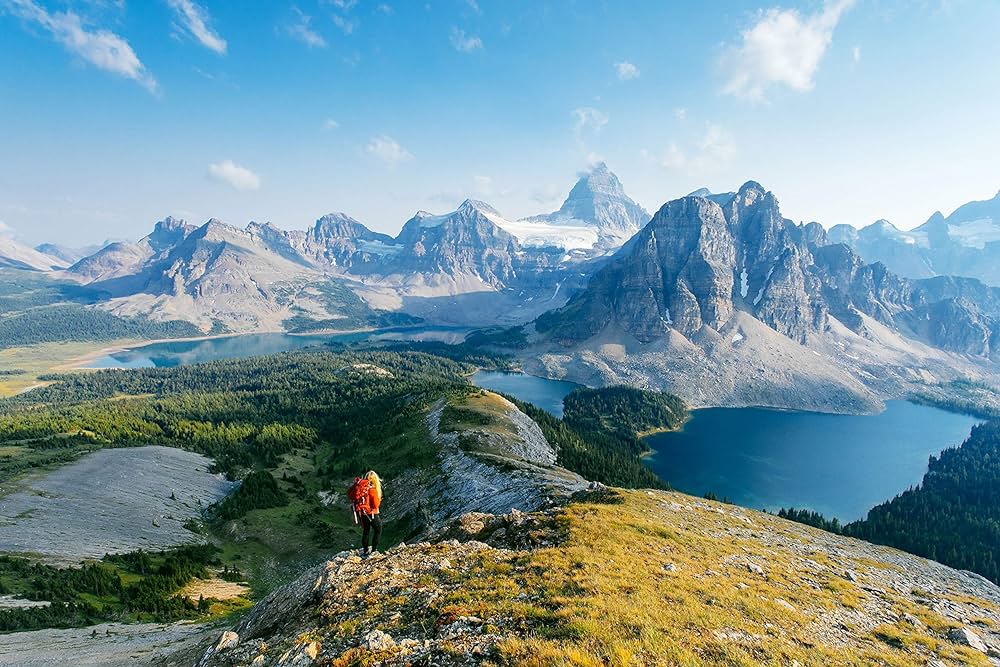
As the day progresses and the sun starts its descent, the afternoon unveils a breathtaking tapestry of landscapes and stunning scenic beauty. Hiking during this time offers a unique opportunity to immerse yourself in the warm, golden glow of the sunlight and capture memorable photos of the picturesque surroundings.
One of the remarkable aspects of hiking in the afternoon is the enchanting play of light and shadow. The sun’s position in the sky casts long, dramatic shadows across the landscape, accentuating the contours of the mountains, trees, and other natural features. This interplay of light and shadow creates a visually striking ambiance, transforming ordinary landscapes into captivating scenes worthy of exploration.
The warm, golden sunlight that bathes the surroundings during the afternoon creates a magical atmosphere. The colors of nature appear more vibrant, and the scenery takes on an ethereal quality. It’s the perfect time to capture breathtaking photographs that showcase the beauty of the natural world. Whether you’re an amateur photographer or simply want to preserve memories of your hike, the afternoon light provides an ideal backdrop for stunning shots.
Additionally, hiking in the afternoon offers an excellent opportunity to witness wildlife in action. Many animals, such as deer, birds, and small mammals, become more active during this time as they prepare for the evening. Keep a watchful eye and listen for the rustling of leaves or the chirping of birds. You may be fortunate enough to spot wildlife in their natural habitat, going about their daily activities. Remember to observe from a respectful distance and avoid disturbing their routines.
However, it’s important to keep in mind that the temperature during the afternoon may still be quite high, especially in certain climates or regions. Be cautious and take appropriate measures to protect yourself from the heat. Carry sufficient water to stay hydrated throughout your hike, and take regular breaks in shaded areas to cool down and rest. Wearing lightweight, breathable clothing and a wide-brimmed hat can also help shield you from the sun’s direct rays.
Before embarking on your afternoon hike, it’s advisable to check the weather forecast and be aware of any specific trail conditions or advisories. Some trails may have certain restrictions or guidelines for hiking during this time. Being well-informed allows you to make informed decisions and ensures a safer and more enjoyable hiking experience.
Sunset: Embrace the Awe-Inspiring Beauty
For those seeking a truly awe-inspiring experience, hiking during sunset is an absolute must-try. The moments when the sun dips below the horizon and paints the sky with soft, warm hues create a magical atmosphere that transforms the surrounding landscapes into a breathtaking display of colours.
As the sun begins its descent, nature’s canvas comes alive with a mesmerizing palette of oranges, pinks, and purples. The gentle, golden light bathes the world in a warm glow, casting a serene and enchanting ambiance. The interplay of light and shadows adds depth and dimension to the scenery, creating a truly captivating sight.
Hiking during sunset offers a unique opportunity to witness the tranquil beauty of nature in its most glorious moments. The fading light and the stillness of the surroundings create a sense of serenity and peace. It’s a time to slow down, take a deep breath, and immerse yourself in the harmonious symphony of colours and sounds that nature offers.
The beauty of sunset hiking goes beyond the visual spectacle. It’s a time for reflection and contemplation, allowing you to pause and appreciate the day’s adventures. As the sun bids farewell to the sky, you can reflect on the challenges you overcame, the sights you witnessed, and the memories you created throughout your hike. It’s a moment to be grateful for the wonders of the natural world and the opportunity to connect with it on a deeper level.
However, it’s important to plan your sunset hike well to ensure a safe and enjoyable experience. Keep in mind that daylight will gradually diminish, and darkness will set in. It’s crucial to estimate the duration of your hike and make sure you have enough time to return safely before it gets too dark. Be mindful of the trail difficulty, distance, and any potential obstacles that may slow down your progress.
Carrying a flashlight or headlamp is essential for sunset hikes. Even if you plan to return before complete darkness, unforeseen circumstances or delays can occur. Having a reliable light source ensures that you can navigate the trails with ease and safety, especially if the darkness catches up with you.
Additionally, inform someone about your hiking plans, including the expected duration and the trail you’ll be exploring. This precautionary measure allows others to be aware of your whereabouts and can be crucial in case of any emergencies or unexpected situations.
Night Hiking: Embrace the Thrill of Darkness
If you’re a thrill-seeker and crave a unique and adventurous hiking experience, night hiking might be just the thing for you. Embarking on the trails under the mesmerizing canopy of the starry night sky adds an element of mystery and intrigue to your outdoor expedition.
One of the most alluring aspects of night hiking is the sense of discovery and exploration. The darkness conceals the familiar features of the trails, transforming them into uncharted territory waiting to be uncovered. Each step becomes an exciting journey into the unknown, as you rely on your senses to navigate through the shadows and unveil the hidden beauty of the nocturnal landscape.
Night hiking offers a rare opportunity to escape the crowds and experience a sense of solitude amidst nature’s embrace. The silence of the night creates an atmosphere of introspection, allowing you to connect with your surroundings on a deeper level. The absence of the hustle and bustle of the day grants you a peaceful sanctuary to immerse yourself in the tranquility of the nocturnal world.
However, venturing into the wilderness at night requires extra caution and preparation. Safety should be your utmost priority. Before embarking on a night hike, ensure you have the necessary equipment and knowledge to navigate in low-light conditions. A reliable source of light, such as a headlamp or flashlight, is essential to illuminate your path and ensure you can see any potential obstacles or hazards along the way.
Familiarizing yourself with the trail beforehand is crucial for a successful night hike. Study maps, read trail descriptions, and understand the terrain to minimize the risk of getting lost in the darkness. Pay attention to any trail markers or signage that might be harder to spot at night. It’s also helpful to hike with a companion, as the buddy system adds an extra layer of safety and support.
When venturing out for a night hike, dress appropriately for the conditions. Layer your clothing to regulate your body temperature and choose moisture-wicking fabrics to stay comfortable. In cooler weather, pack an extra layer to keep warm during breaks or rest stops. Don’t forget to bring sufficient water and snacks to stay hydrated and energized throughout your hike.
As with any outdoor activity, be respectful of the environment and wildlife. Keep noise to a minimum to preserve the peacefulness of the night and avoid disturbing nocturnal animals. Take extra care not to litter and leave no trace of your presence on the trails.
Torches/Head Torches
[product_table id=”284765″]
FAQs about the Best Time to Hike
- Q: Is there a universally best time of day to hike?
- A: The best time to hike varies depending on personal preferences, weather conditions, and trail characteristics. Each time of day offers its own unique benefits, so it’s essential to choose the time that aligns with your preferences and needs.
- Q: Should I avoid hiking during peak hours?
- A: Peak hours can be crowded, especially on popular trails. If you prefer a more serene experience, consider hiking during off-peak hours or exploring less-frequented trails.
- Q: What should I consider when planning a hike during noon?
- A: Hiking during noon can be challenging due to the intense sun and heat. Make sure to stay hydrated, wear sunscreen, and choose trails that offer shade.
- Q: Is it safe to hike at night?
- A: Night hiking can be an exhilarating experience but requires extra caution. Ensure you have proper lighting, familiarize yourself with the trail, and hike with a companion if possible.
- Q: Are there any specific precautions for hiking during sunset?
- A: Hiking during sunset can be stunning, but it’s crucial to plan your hike well and have enough daylight to return safely. Carry a flashlight or headlamp as a backup in case darkness falls before you complete your hike.
- Q: Can I hike at any time if I’m well-prepared?
- A: While being well-prepared is essential, certain trails or weather conditions may still pose risks at certain times of the day. Research the specific trail and consult local hiking guides for the best advice.
Conclusion
Determining the best time of day to hike depends on a variety of factors, including personal preferences, weather conditions, and trail characteristics. Whether you choose to embrace the serenity of early mornings, the energy of mid-mornings, the challenge of noon, the scenic beauty of the afternoon, the magic of sunset, or the mystery of night hiking, each time offers its own unique experiences and opportunities. Plan your hikes wisely, stay safe, and make the most of the natural wonders that await you.