Posted on Leave a comment

Knee Pain After Hiking

Hiker sitting down resting holding his painful knee

Knee Pain After Hiking: Causes, Prevention, and Treatment

Introduction

Hiking is an enjoyable and physically rewarding activity that allows you to connect with nature and explore breathtaking landscapes. However, it is not uncommon to experience knee pain after a long and strenuous hike. This article will delve into the causes of knee pain after hiking, preventive measures to minimize the risk, and effective treatment options to alleviate discomfort. Whether you are an experienced hiker or a beginner, understanding knee pain after hiking is crucial for maintaining your overall well-being and ensuring an enjoyable outdoor experience.

Knee Pain After Hiking: A Common Issue

Hiking involves repetitive movements, such as walking uphill and downhill, navigating uneven terrain, and carrying a backpack. These activities put strain on your knee joints and surrounding structures, which can lead to pain and discomfort. Knee pain after hiking is a common issue that affects hikers of all ages and fitness levels. Understanding the underlying causes and taking appropriate measures can help you manage and prevent knee pain, allowing you to fully enjoy your hiking adventures.

Understanding the Knee Joint

Before diving into the causes of knee pain after hiking, it is essential to understand the knee joint’s structure and function. The knee joint is the largest joint in the body and consists of the femur (thigh bone), tibia (shin bone), fibula (smaller bone in the lower leg), and patella (kneecap). It is supported by ligaments, tendons, muscles, and cartilage, which work together to provide stability and facilitate movement. Any disruption or injury to these structures can lead to knee pain.

Causes of Knee Pain After Hiking

1. Overuse and Strain

One of the primary causes of knee pain after hiking is overuse and strain. Long hikes, particularly on challenging terrains, can place excessive stress on the knee joints. The repetitive nature of hiking can lead to inflammation, swelling, and discomfort in the knee area. Additionally, carrying a heavy backpack can further strain the knee joints, exacerbating the pain.

2. Muscle Imbalances

Muscle imbalances occur when certain muscle groups are stronger or tighter than others. In the context of hiking, muscle imbalances can affect the alignment and stability of the knee joint, leading to pain and discomfort. For example, if the muscles on the front of the thigh (quadriceps) are significantly stronger than the muscles on the back of the thigh (hamstrings), it can put undue stress on the knee joint, resulting in pain.

3. Improper Footwear

Wearing inappropriate footwear while hiking can significantly contribute to knee pain. Insufficient arch support, inadequate cushioning, or shoes that do not fit properly can increase the risk of knee injuries and discomfort. It is crucial to invest in good-quality hiking shoes that provide proper support, stability, and shock absorption to minimize the strain on your knees.

4. Pre-existing Conditions

Certain pre-existing conditions can make individuals more susceptible to knee pain after hiking. Conditions such as osteoarthritis, tendinitis, bursitis, and IT band syndrome can be aggravated by the physical demands of hiking. It is essential to consult with a healthcare professional if you have any pre-existing knee conditions to determine the best course of action and preventive measures.

5. Insufficient Warm-up and Stretching

Failing to warm up properly before a hike and neglecting stretching exercises can increase the likelihood of knee pain. Warm-up exercises prepare your muscles, joints, and ligaments for physical activity, reducing the risk of strain and injury. Additionally, stretching exercises help improve flexibility and promote proper alignment, reducing the strain on your knee joints during a hike.

Prevention Strategies for Knee Pain After Hiking

1. Gradual Training and Conditioning

To minimize the risk of knee pain after hiking, it is essential to engage in gradual training and conditioning. Start with shorter hikes on relatively easy terrains and gradually increase the distance and difficulty level over time. This allows your body to adapt and strengthen the muscles around your knees, reducing the risk of overuse injuries.

2. Strengthening Exercises

Incorporating specific strengthening exercises into your fitness routine can help prevent knee pain. Focus on exercises that target the muscles surrounding the knee joint, such as quadriceps and hamstrings. Building strength in these muscle groups provides better support and stability to your knees during hikes.

3. Proper Gear and Footwear

Investing in proper hiking gear and footwear is crucial for preventing knee pain. Choose hiking shoes that provide adequate support, cushioning, and stability. Consider using orthotic inserts or custom insoles if you have specific foot conditions. Additionally, using hiking poles can help distribute your weight more evenly, reducing the strain on your knees.

4. Balanced Backpack Weight Distribution

When hiking with a backpack, ensure that the weight is evenly distributed to minimize stress on your knees. Pack heavier items closer to your back and lighter items on the periphery. Use the straps and adjustments available on your backpack to achieve a balanced load.

5. Stretching and Cool-Down

Prioritize stretching exercises both before and after your hikes. Stretching helps improve flexibility, enhances blood circulation, and prepares your muscles for physical activity. After completing a hike, engage in a cool-down routine that includes gentle stretches to relieve tension and promote recovery.

Treatment Options for Knee Pain After Hiking

1. Rest and Ice

If you experience knee pain after hiking, it is important to rest and apply ice to the affected area. Resting allows your knee to recover and reduces further irritation. Applying ice packs for 15-20 minutes several times a day can help reduce inflammation and alleviate pain.

2. Compression and Elevation

Wearing a compression bandage or knee brace can provide support and stability to the affected knee. Compression helps reduce swelling and improves circulation. Elevating your leg with a pillow or cushion also aids in reducing swelling and promotes faster healing.

3. Nonsteroidal Anti-Inflammatory Drugs (NSAIDs)

Over-the-counter nonsteroidal anti-inflammatory drugs, such as ibuprofen or naproxen, can help reduce pain and inflammation associated with knee pain after hiking. Follow the recommended dosage instructions and consult with a healthcare professional if you have any underlying medical conditions or concerns.

4. Physical Therapy

For severe or persistent knee pain, seeking the guidance of a physical therapist can be beneficial. A physical therapist can assess your condition, provide targeted exercises and stretches, and guide you through a rehabilitation program to strengthen the muscles around your knees and improve flexibility.

5. Medical Intervention

In some cases, knee pain after hiking may require medical intervention. If conservative measures fail to alleviate your pain, a healthcare professional may recommend treatments such as corticosteroid injections or, in rare cases, surgery. These options are typically reserved for severe or chronic knee conditions and should be discussed with a qualified medical specialist.

FAQs about Knee Pain After Hiking

FAQ 1: Can knee pain after hiking be prevented?

Yes, knee pain after hiking can be prevented by following proper training techniques, strengthening exercises, using appropriate footwear, and taking necessary precautions to reduce strain on your knees.

FAQ 2: How long does knee pain after hiking typically last?

The duration of knee pain after hiking can vary depending on the severity of the injury or strain. Mild cases may resolve within a few days with rest and home remedies, while more severe cases may require several weeks or longer for complete recovery.

FAQ 3: When should I seek medical attention for knee pain after hiking?

If your knee pain is severe, persistent, or accompanied by other concerning symptoms such as swelling, instability, or difficulty bearing weight, it is advisable to seek medical attention for proper diagnosis and treatment.

FAQ 4: Can I continue hiking if I have knee pain?

It is generally recommended to avoid strenuous activities like hiking when experiencing knee pain. Continuing to hike without allowing your knee to heal properly can worsen the condition and lead to more severe injuries.

FAQ 5: Are there any specific exercises to prevent knee pain after hiking?

Yes, specific exercises like squats, lunges, and leg presses can help strengthen the muscles around your knees and reduce the risk of knee pain after hiking. Consult with a fitness professional or physical therapist for personalized exercise recommendations.

FAQ 6: Is knee pain after hiking a sign of a serious condition?

In most cases, knee pain after hiking is not a sign of a serious condition and can be managed with conservative measures. However, persistent or worsening pain should be evaluated by a healthcare professional to rule out any underlying issues.

Conclusion

Knee pain after hiking is a common issue that can hinder your outdoor adventures. By understanding the causes, implementing preventive strategies, and seeking appropriate treatment when necessary, you can minimize the risk of knee pain and enjoy the beauty of hiking without discomfort. Remember to listen to your body, gradually increase your hiking intensity, and prioritize the overall health and well-being of your knees. Stay safe, take necessary precautions, and embark on memorable hiking experiences while keeping knee pain at bay.

First Aid Kits – Top Picks


[product_table id=”283147″]
Posted on Leave a comment

Is it ok to use Crocs for hiking?

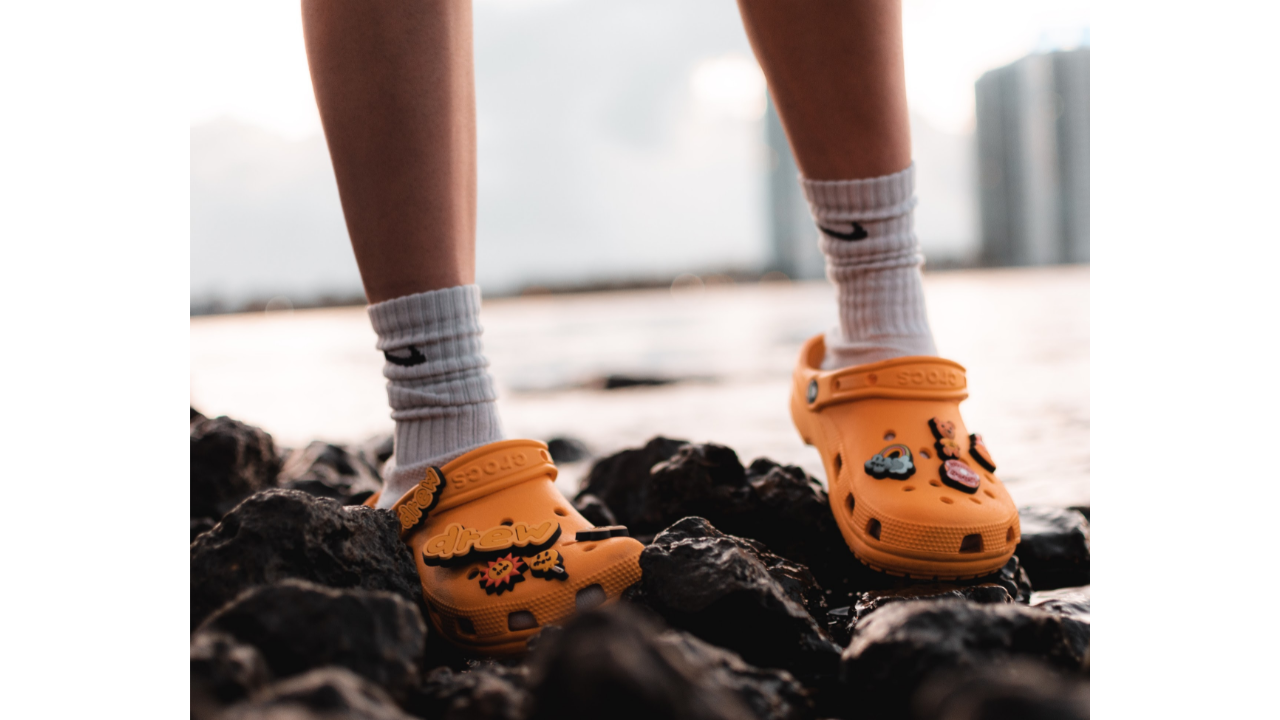
Person wearing orange Crocs

Is it OK to Use Crocs for Hiking? Exploring the Pros and Cons

Introduction

When it comes to choosing the right footwear for outdoor activities like hiking, there are countless options available. One unconventional choice that often sparks debates among hikers is using Crocs. These lightweight, slip-on shoes have gained popularity in recent years, but are they a suitable choice for hiking? In this article, we will delve into the pros and cons of using Crocs for hiking and provide you with all the information you need to make an informed decision. So, is it OK to use Crocs for hiking? Let’s find out!

Hiker Crocs refer to a type of footwear that combines the comfort and versatility of Crocs with the design elements of hiking boots. Crocs are a brand of lightweight, slip-on shoes known for their distinctive clog-like appearance and cushioned material. They are typically made of a foam resin called Croslite, which provides a comfortable and supportive fit.

Hiker Crocs, as the name suggests, are Crocs designed with features reminiscent of traditional hiking boots. They often feature a more rugged outsole with deeper treads for improved traction on various terrains. Hiker Crocs may also include additional design elements such as laces or adjustable straps to provide a secure fit and ankle support.

These shoes offer a unique combination of comfort, breathability, and outdoor functionality. They are popular among individuals who enjoy outdoor activities but prefer the comfort and convenience of Crocs. Hiker Crocs can be a practical choice for casual hikes, camping trips, or other outdoor adventures where a balance of comfort and traction is desired.

It’s important to note that Crocs, including Hiker Crocs, are primarily designed for casual wear and light outdoor activities. They may not provide the same level of support and protection as traditional hiking boots designed for more strenuous or technical hiking trails. If you plan to undertake challenging hikes or encounter rugged terrain, it’s advisable to invest in proper hiking boots that offer enhanced stability and protection.

Is it OK to Use Crocs for Hiking?

Crocs are not typically designed or marketed as hiking shoes. They are known for their comfort, breathability, and versatility. While they may seem like a convenient option due to their slip-on design and lightweight construction, there are several factors to consider before using Crocs for hiking. Let’s take a closer look at the pros and cons.

Pros of Using Crocs for Hiking

  1. Comfort: Crocs are renowned for their comfort. They feature cushioned soles and ample room for your feet to breathe and move around, making them a comfortable choice for shorter hikes or as camp shoes.
  2. Breathability: The ventilation holes in Crocs allow for excellent airflow, keeping your feet cool and reducing the chances of excessive sweating or blisters.
  3. Lightweight: Crocs are incredibly lightweight, which can be beneficial for hikers who prefer minimalistic gear and want to reduce the overall weight of their backpack.
  4. Quick Drying: Crocs are made from a material called Croslite, which is water-resistant and quick-drying. This feature is advantageous when crossing streams or encountering wet conditions on the trail.
  5. Versatility: Apart from hiking, Crocs can be used for various outdoor activities like camping, fishing, and beach trips. They are easy to clean and maintain, making them a versatile footwear option.

Cons of Using Crocs for Hiking

  1. Lack of Support: One of the main drawbacks of Crocs for hiking is the lack of proper arch support and cushioning. Hiking involves navigating uneven terrains, and inadequate support can lead to discomfort or even foot injuries.
  2. Limited Traction: Crocs have a smooth and flat sole, which may not provide sufficient traction on slippery or rocky surfaces. This lack of grip can increase the risk of slipping and falling during hikes.
  3. Vulnerability to Debris: The ventilation holes in Crocs, while beneficial for breathability, can also allow small rocks, twigs, or other debris to enter the shoe. This can be uncomfortable and potentially hazardous during hikes.
  4. Limited Protection: Crocs do not provide the same level of foot protection as dedicated hiking shoes or boots. They lack toe caps and sturdy materials that can shield your feet from sharp objects or impacts.
  5. Weather Limitations: Crocs may not be suitable for hiking in certain weather conditions. They offer minimal insulation, making them less ideal for cold or wet environments where you need more protection and warmth.

Frequently Asked Questions (FAQs)

Q: Can I wear socks with Crocs for hiking?
A: While it is possible to wear socks with Crocs, it is not the recommended approach for hiking. Socks can hinder the breathability and quick-drying properties of Crocs, defeating their purpose. It’s best to wear Crocs without socks.

Q: Are there any alternative footwear options for hiking?
A: Yes, there are several alternatives to Crocs for hiking. Some popular choices include hiking shoes, hiking sandals, and hiking boots. These options provide better support, traction, and protection for your feet during hikes.

Q: Are Crocs suitable for short hikes or as camp shoes?
A: Yes, Crocs can be a suitable choice for shorter hikes or as camp shoes. Their comfort, breathability, and lightweight nature make them convenient for such purposes. However, for longer hikes or challenging terrains, it is advisable to opt for more specialized footwear.

Q: Can I use Crocs for water activities during hikes?
A: Yes, Crocs are well-suited for water activities during hikes. Their quick-drying nature and water-resistant material make them ideal for crossing streams or walking along the shoreline.

Q: Are there any specific hiking activities where Crocs excel?
A: While Crocs may not be the top choice for traditional hiking, they can excel in certain hiking activities like creek walking, water hiking, or hiking in relatively flat and dry terrains.

Q: How do I maintain and clean my Crocs after hiking?
A: Cleaning Crocs is a straightforward process. You can use mild soap, warm water, and a soft brush to remove dirt or stains. Avoid using harsh chemicals or abrasive materials that can damage the material.

Conclusion

In conclusion, using Crocs for hiking comes with its own set of pros and cons. While they offer comfort, breathability, and versatility, their lack of support, limited traction, and vulnerability to debris may pose challenges during hikes. Ultimately, the decision to use Crocs for hiking depends on the individual’s preferences, the length and difficulty of the hike, and the specific terrain and weather conditions. If you decide to give Crocs a try, it is recommended to start with shorter and less demanding hikes to assess their suitability for your needs. Remember to prioritize your comfort, safety, and the overall enjoyment of your hiking experience.

Posted on Leave a comment

Women’s Hiking Boots and Women’s Walking shoes

Woman's hiking boots

Women’s Hiking Boots and Women’s Walking shoes

Introduction

Are you an adventurous woman looking for the perfect footwear to conquer the trails? Look no further than women’s hiking boots. Designed specifically for the unique needs of female hikers, these boots offer comfort, support, and durability to tackle various terrains. Whether you’re a seasoned hiker or a beginner exploring the great outdoors, finding the right pair of women’s hiking boots is crucial for an enjoyable and safe hiking experience. In this article, we will dive into the world of women’s hiking boots, discussing their features, benefits, and important factors to consider when choosing the ideal pair.

2. Why Hiking Boots Matter

Women’s hiking boots play a vital role in ensuring a comfortable and enjoyable hiking experience. They offer several benefits that cater specifically to women’s needs. From providing proper arch support and cushioning to accommodating the unique structure of women’s feet, these boots are designed to enhance performance and reduce the risk of discomfort or injuries.

3. Choosing the Right Hiking Boots

Finding the right pair of women’s hiking boots can be overwhelming with so many options available. Here are some key factors to consider when making your selection:

3.1 Determining Your Hiking Style and Terrain

Before purchasing women’s hiking boots, assess your hiking style and the type of terrain you’ll be exploring. Are you planning day hikes on well-maintained trails, or do you prefer challenging backpacking trips on rugged terrain? Understanding your needs will help you choose boots with the appropriate level of durability, ankle support, and traction.

3.2 Understanding Boot Types

Women’s hiking boots come in various types, each designed for specific hiking conditions. The main categories include day hiking boots, backpacking boots, and mountaineering boots. Day hiking boots are lightweight and flexible, suitable for shorter hikes. Backpacking boots offer more support and stability for carrying heavier loads, while mountaineering boots are designed for extreme conditions and technical terrains.

3.3 Finding the Perfect Fit

One of the most critical factors in choosing women’s hiking boots is finding the perfect fit. Ill-fitting boots can lead to blisters, discomfort, and even injuries. Ensure the boots provide enough toe room and a snug fit around the heel and midfoot. Remember to try on the boots with hiking socks to replicate the actual hiking experience. It’s recommended to visit a specialized outdoor retailer where trained staff can assist you in finding the right fit for your feet.

4. Features to Consider in Hiking Boots

To make an informed decision when purchasing women’s hiking boots, it’s essential to understand the key features to look for. Here are some important aspects to consider:

4.1 Material and Durability

Women’s hiking boots are typically made from synthetic materials or leather. Synthetic boots are lightweight, quick-drying, and often more affordable, while leather boots offer durability, excellent support, and protection against the elements. It’s crucial to choose boots made from high-quality materials to ensure long-lasting performance.

4.2 Waterproofing and Breathability

When hiking in wet or damp conditions, having waterproof boots is essential to keep your feet dry and comfortable. Look for boots with waterproof membranes such as Gore-Tex® that provide reliable water resistance while allowing moisture vapor to escape, promoting breathability.

4.3 Traction and Outsole

A reliable outsole with excellent traction is vital for stability and grip on various terrains. opt for boots with lugged rubber outsoles that offer sufficient traction on wet, slippery, or uneven surfaces. Vibram® outsoles are known for their durability and reliable grip.

4.4 Ankle Support and Stability

Women’s hiking boots with proper ankle support help prevent sprains and provide stability on challenging trails. Look for boots with higher ankle collars or mid-cut designs that offer adequate support without sacrificing mobility.

4.5 Cushioning and Comfort

Hiking involves spending long hours on your feet, so comfort is paramount. Choose boots with ample cushioning and shock-absorbing features in the midsole to provide support and reduce fatigue. Removable insoles allow for customization to suit your comfort preferences.

4.6 Weight and Flexibility

The weight and flexibility of women’s hiking boots can significantly impact your hiking experience. Lightweight boots are ideal for day hikes and shorter excursions, offering greater agility and reduced fatigue. On the other hand, backpacking boots prioritize durability and support for extended trips with heavier loads. Consider the type of hiking you’ll be doing and choose boots that strike the right balance between weight and performance.

5. Breaking In Your Hiking Boots

Before embarking on a long hike, it’s crucial to break in your women’s hiking boots to avoid discomfort and blisters. Wear them around the house or on shorter walks to gradually mould them to the shape of your feet. Use proper hiking socks and adjust the lacing to achieve a secure and comfortable fit. Taking the time to break in your boots will ensure a more enjoyable hiking experience.

6. Caring for Your Hiking Boots

Proper care and maintenance of your women’s hiking boots will extend their lifespan and keep them performing optimally. Here are some essential care tips:

6.1 Cleaning and Drying

After each hike, remove any dirt, mud, or debris from your boots. Use a soft brush or damp cloth to clean the upper and the outsole. Avoid using harsh chemicals that can damage the materials. Allow your boots to air dry thoroughly before storing them.

6.2 Waterproofing and Conditioning

Regularly treat your women’s hiking boots with waterproofing products to maintain their water resistance. Follow the manufacturer’s instructions for the specific product you choose. Additionally, use leather conditioners to keep the leather supple and prevent cracking or drying out.

6.3 Storage Tips

When not in use, store your women’s hiking boots in a cool, dry place away from direct sunlight. Avoid storing them in airtight containers as this can promote mould or mildew growth. Stuff the boots with newspaper or use boot shapers to help maintain their shape.

7. FAQs (Frequently Asked Questions)

7.1 Are Women’s Hiking Boots Different from Men’s Hiking Boots?

Yes, women’s hiking boots are designed with the anatomical differences of women’s feet in mind. They typically have narrower heels, lower volume, and a different arch shape compared to men’s boots. Women’s boots also come in specific sizes and styles that cater to the needs and preferences of female hikers.

7.2 Can I Use Women’s Hiking Boots for Other Activities Besides Hiking?

While women’s hiking boots are primarily designed for hiking, they can also be suitable for other outdoor activities such as backpacking, trekking, and camping. Their sturdy construction, ankle support, and traction make them versatile footwear options for various adventures in nature.

7.3 How Do I Break In My Hiking Boots?

To break in your women’s hiking boots, start by wearing them around the house or on shorter walks to allow your feet to adjust to the boots’ fit. Gradually increase the duration and difficulty of your hikes to give the boots time to mould to the shape of your feet. It’s essential to use proper hiking socks and adjust the lacing for a secure and comfortable fit.

7.4 Can I Wear Regular Socks with Women’s Hiking Boots?

While it’s possible to wear regular socks with women’s hiking boots, it’s recommended to invest in moisture-wicking hiking socks. These socks are designed to keep your feet dry by wicking away sweat and preventing blisters. They provide additional cushioning and support, enhancing overall comfort during your hikes.

7.5 How Often Should I Replace My Hiking Boots?

The lifespan of women’s hiking boots depends on various factors such as usage frequency, terrain, and overall care. On average, hiking boots can last anywhere from 500 to 1,000 miles of hiking. Signs that it’s time to replace your boots include visible wear and tear, loss of cushioning, decreased traction, or discomfort while hiking.

7.6 Can I Wear Hiking Boots in Hot Weather?

While women’s hiking boots are designed to provide support and protection, they may not be the most suitable option for extremely hot weather. In hot conditions, consider breathable hiking shoes or trail runners that offer better ventilation and moisture management. However, if you’re hiking in rocky or challenging terrains, women’s hiking boots can still provide the necessary stability and protection.

8. Conclusion

Investing in a quality pair of women’s hiking boots is essential for any outdoor enthusiast. These boots provide the necessary support, protection, and comfort to ensure an enjoyable hiking experience. By considering factors such as hiking style, terrain, fit, and key features like material, waterproofing, traction, ankle support, and cushioning, you can find the perfect pair of boots to suit your needs.

Remember to break in your boots before embarking on long hikes and take proper care of them through regular cleaning, waterproofing, and conditioning. When it’s time to replace your boots, be mindful of the signs of wear and tear.

So, gear up with your women’s hiking boots and hit the trails with confidence, knowing that you have the right footwear to support your adventures in the great outdoors.

You can find many more women’s boots, including women’s hiking boots, dress and casual boots at thebootboutique.co.uk

Women’s Hiking Boots – Top Picks


[product_table id=”286169″]

Posted on Leave a comment

Was Nepal right to ban solo trekking in the Himalayas?

was-nepal-right-to-ban-solo-trekking-in-the-himalayas?

Was Nepal right to ban solo trekking in the Himalayas?

That’s the title of a thoughtful article on National Geographic:

Part of the magic of trekking in Nepal used to be how easy it was to get started, but on 1 April 2023, the government imposed a radical shake-up of the country’s trekking rules. Whereas previously travellers could hike alone anywhere in the country, now they must hire a guide to walk through Nepal’s 12 national parks and six conservation areas, including the popular Everest Base Camp and Annapurna …

 “For less-experienced trekkers, having a good guide can definitely enhance your trekking experience, but guides aren’t trained to a consistent standard in Nepal,” says Bradley Mayhew, author of Lonely Planet’s Trekking in the Nepal Himalaya guidebook. “Encouraging trekkers to hire a guide by providing better-trained guides would be a smarter approach than forcing all trekkers to take a guide, regardless of their experience.” …

Nat Geo

As an experienced hiker who’s been to Nepal more than 10 times, I’ll switch to the Indian Himalaya.

But there are certainly some advantages in requiring a guide for new trekkers.

related – Our guide to INDEPENDENT trekking in Nepal — back when it was still allowed.

Posted on Leave a comment

Why do Hiking Boots Have Round Laces?

Hiking boots with round boot laces and hooks

Why do Hiking Boots Have Round Laces?

Hiking boots are an essential piece of gear for outdoor enthusiasts and adventurers. They provide stability, protection, and support for the feet and ankles in rugged terrains. One curious aspect of hiking boots is the round laces they often come with. Have you ever wondered why hiking boots have round laces? In this article, we will explore the reasons behind this design choice and delve into the benefits it offers to hikers and outdoor enthusiasts.

Why do Hiking Boots Have Round Laces?

The choice of round laces for hiking boots is not a random one. Manufacturers have carefully considered several factors that make round laces the preferred choice for this type of footwear.

1. Enhanced Knot Security

Hiking involves traversing various terrains, including steep slopes, rocky paths, and muddy trails. Round laces offer enhanced knot security, ensuring that your boots stay securely fastened throughout your adventure. The rounded shape of the laces helps the knots grip the lace holes more effectively, minimizing the risk of them coming undone while you hike.

2. Easy Adjustment

Properly fitted hiking boots are crucial for comfort and preventing injuries during outdoor activities. Round laces allow for easy and precise adjustment, enabling hikers to achieve the desired level of tightness. Whether you prefer a snug fit or a looser feel, round laces offer flexibility in finding the perfect fit for your feet.

3. Durability

Hiking boots endure rigorous use and are exposed to harsh environmental conditions. Round laces are known for their durability and strength, making them well-suited for outdoor adventures. They are less prone to fraying and breaking compared to flat laces, ensuring that your boots stay securely laced for longer periods.

4. Smooth Lacing

The round shape of hiking boot laces allows them to glide smoothly through the lace holes. This feature makes lacing up your boots quick and hassle-free. It saves time and energy, allowing you to focus on the adventure ahead.

5. Reduced Pressure Points

Pressure points on the foot can lead to discomfort and blisters, especially during long hikes. The round laces distribute pressure more evenly across the foot, reducing the likelihood of painful pressure points. This feature enhances the overall comfort and hiking experience.

Frequently Asked Questions (FAQs)

FAQ 1: Are round laces better than flat laces for hiking boots?

Yes, round laces are generally considered better than flat laces for hiking boots. They offer enhanced knot security, easy adjustment, durability, smooth lacing, and reduced pressure points, making them ideal for outdoor activities.

FAQ 2: Can I replace round laces with flat laces on my hiking boots?

While it is possible to replace round laces with flat laces on hiking boots, it is recommended to stick with the original round laces. Flat laces may not provide the same level of knot security and durability as round laces, potentially compromising the performance and fit of your boots.

FAQ 3: Do all hiking boots have round laces?

No, not all hiking boots have round laces. Some hiking boots may come with flat laces or other types of laces. However, round laces are widely used in hiking boots due to their numerous benefits.

FAQ 4: Can I use round laces for other types of footwear?

Yes, round laces can be used for other types of footwear, including casual shoes and sneakers. They offer similar benefits of knot security, easy adjustment, and durability, making them a versatile choice for various shoe styles.

FAQ 5: How do I properly lace my hiking boots?

To properly lace your hiking boots, start by threading the round laces through the bottom lace holes, ensuring they are even in length. Cross the laces over each other and thread them through the next set of lace holes, gradually working your way up the boot. Finally, tie a secure knot at the top to keep your boots snugly fastened.

FAQ 6: Can round laces get untied easily during hiking?

Round laces, when tied correctly, provide excellent knot security and are unlikely to get untied easily during hiking. However, it is always a good idea to double-check your knots periodically to ensure they remain secure throughout your hike.

Conclusion

The use of round laces in hiking boots serves a purpose beyond aesthetics. They offer enhanced knot security, easy adjustment, durability, smooth lacing, and reduced pressure points. These benefits contribute to a more comfortable and secure hiking experience. So, the next time you lace up your hiking boots with their round laces, you can appreciate the thoughtful design behind this seemingly simple yet essential feature.

Hiking Boots


[product_table id=”283150″]

Posted on Leave a comment

Why do hiking boots have hooks?

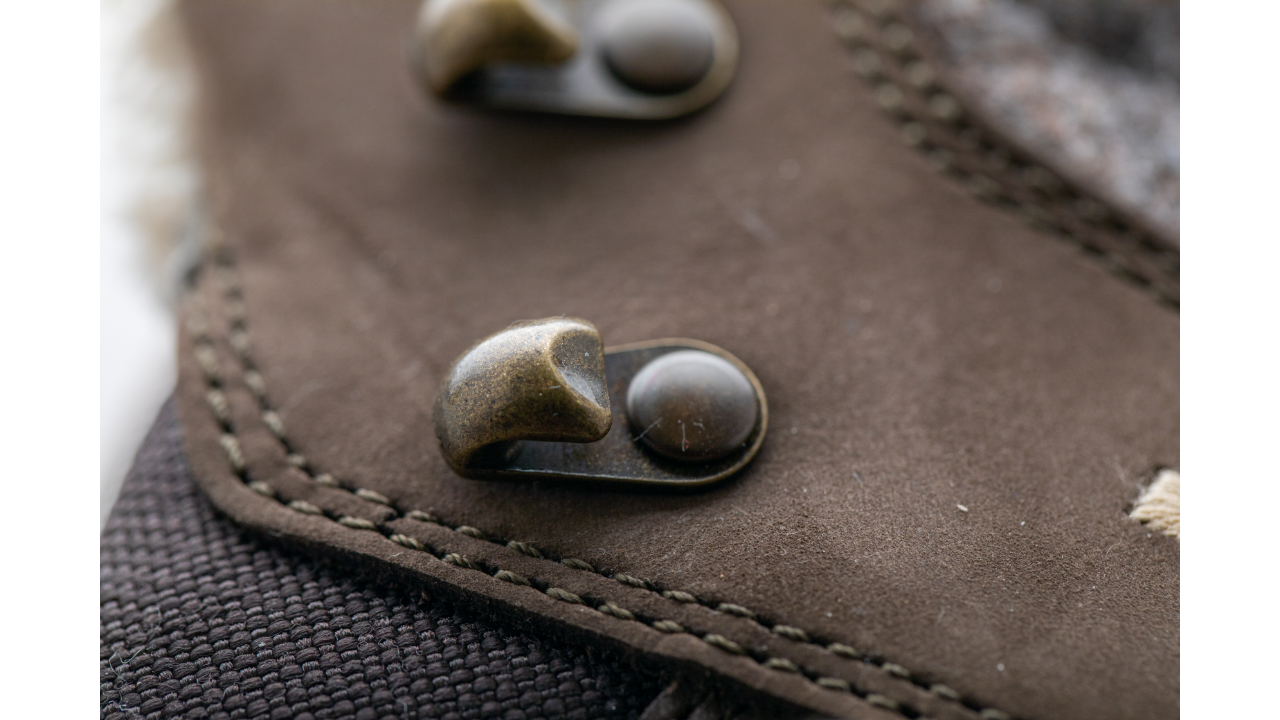
Photo showing the lace hook on a hiking boot

Why do hiking boots have hooks?

Why Do Hiking Boots Have Hooks? The Surprising Benefits!

Introduction

Hiking boots are essential gear for outdoor enthusiasts and adventurers. They are designed to provide support, stability, and protection while traversing rugged terrains. One interesting feature commonly found in hiking boots is the presence of hooks. These hooks serve a specific purpose and offer several benefits to hikers. In this article, we will explore the reasons why hiking boots have hooks and delve into their functionality. Whether you are a seasoned hiker or a novice looking to understand the intricacies of hiking gear, this article will provide you with valuable insights into the importance of hooks in hiking boots.

The Functionality of Hooks in Hiking Boots

Hiking boots typically have multiple hooks located near the top of the boot’s lacing system. These hooks are strategically positioned to enhance the boot’s performance and provide various advantages to hikers. Let’s take a closer look at why hiking boots have hooks and how they contribute to a better hiking experience.

1. Improved Lacing System

Hooks in hiking boots offer an alternative lacing method that differs from traditional eyelets. By incorporating hooks into the design, manufacturers aim to provide hikers with a more secure and customizable fit. The hooks allow for quicker and easier tightening of the laces, ensuring a snug and comfortable fit around the foot and ankle. This improved lacing system helps prevent slippage and minimizes the risk of blisters or discomfort during long hikes.

2. Enhanced Ankle Support

One of the critical functions of hiking boots is to provide ankle support, especially on uneven terrain. The presence of hooks in hiking boots plays a significant role in enhancing ankle stability. When the laces are fastened through the hooks, they create a locking mechanism that holds the ankle firmly in place. This added support reduces the risk of sprains or twisted ankles, allowing hikers to navigate challenging trails with greater confidence and safety.

3. Increased Durability

Hiking boots are subjected to extreme conditions, including rough terrain, moisture, and friction. The hooks in hiking boots contribute to their overall durability. Made from sturdy materials such as metal or high-quality plastic, the hooks are designed to withstand the rigors of outdoor activities. Their robust construction ensures that the laces remain securely fastened throughout the hike, providing long-lasting performance even in demanding environments.

4. Facilitates Quick Adjustment

During hikes, it’s common for hikers to encounter different terrains that require varying degrees of tightness in their boots. Hooks in hiking boots make it easy to adjust the tension of the laces quickly. By loosening or tightening the laces using the hooks, hikers can adapt to changes in terrain without having to completely remove their boots. This feature saves time and allows for seamless transitions, ensuring optimal comfort and performance throughout the hike.

5. Compatible with Different Lacing Techniques

Hiking boots with hooks offer versatility in lacing techniques. While traditional eyelets limit lacing options to standard criss-cross patterns, hooks allow for creative lacing techniques. Hikers can experiment with methods such as the “lock-lacing” technique, which provides additional ankle support, or the “heel lock” technique, which prevents heel slippage. The ability to explore different lacing techniques allows hikers to customize their boots based on their individual preferences and foot anatomy.

FAQ’s about Hooks in Hiking Boots

FAQ 1: Do all hiking boots have hooks?

Not all hiking boots have hooks. The presence of hooks in hiking boots depends on the design and intended use of the boots. While many hiking boots incorporate hooks as a standard feature, some models may utilize eyelets or a combination of hooks and eyelets. It’s important to consider your specific hiking needs and preferences when selecting a pair of hiking boots.

FAQ 2: Can hooks in hiking boots be replaced if they break?

Yes, hooks in hiking boots can typically be replaced if they break or become damaged. Most reputable hiking boot manufacturers provide replacement parts, including hooks, to ensure the longevity of their products. If a hook breaks, it’s advisable to contact the manufacturer or a certified repair service to obtain the appropriate replacement part and instructions for installation.

FAQ 3: Are hooks in hiking boots waterproof?

The hooks themselves are not waterproof, as they are usually made from materials such as metal or plastic. However, the presence of hooks does not significantly impact the overall waterproofness of hiking boots. The waterproofness of hiking boots primarily depends on the materials used in the boot’s construction, such as waterproof membranes or treated leather. It’s crucial to choose hiking boots specifically designed for waterproof performance if you require such functionality.

FAQ 4: Can hooks damage laces?

Hooks in hiking boots are designed to securely hold laces without causing damage. However, over time, the repeated friction between the hooks and laces may cause slight wear. To prevent excessive wear or potential damage to the laces, it’s recommended to inspect them regularly and replace them if signs of fraying or weakening are observed. Proper care and maintenance, including cleaning and lubricating the hooks, can also prolong the lifespan of both the hooks and laces.

FAQ 5: Are hooks necessary for all types of hikes?

Hooks in hiking boots are not essential for all types of hikes. The necessity of hooks depends on the terrain, hiking style, and personal preferences of the hiker. For shorter hikes on relatively even trails, boots without hooks may suffice. However, for more challenging hikes that involve steep ascents, descents, or uneven terrain, boots with hooks provide additional support and stability, making them a preferred choice for many hikers.

FAQ 6: Can hooks in hiking boots be used for other purposes?

While the primary function of hooks in hiking boots is to secure the laces, they can occasionally serve other purposes. Some hikers may use the hooks to attach additional gear or accessories, such as gaiters or equipment pouches, to their boots. However, it’s important to note that modifying the boots in such a way may affect their performance and compromise their intended functionality. It’s recommended to follow the manufacturer’s guidelines and use the hooks solely for their intended purpose.

Conclusion

Hiking boots with hooks offer numerous benefits to outdoor enthusiasts, enhancing their hiking experience and providing optimal support and stability. The inclusion of hooks in hiking boots allows for improved lacing systems, enhanced ankle support, increased durability, quick adjustment, and compatibility with various lacing techniques. These features make hiking boots with hooks a popular choice among hikers of all skill levels. Whether you are planning a day hike or embarking on a multi-day trek, choosing hiking boots with hooks can significantly contribute to your comfort, safety, and overall enjoyment on the trails.

Posted on Leave a comment

Why do hiking boots cause blisters?

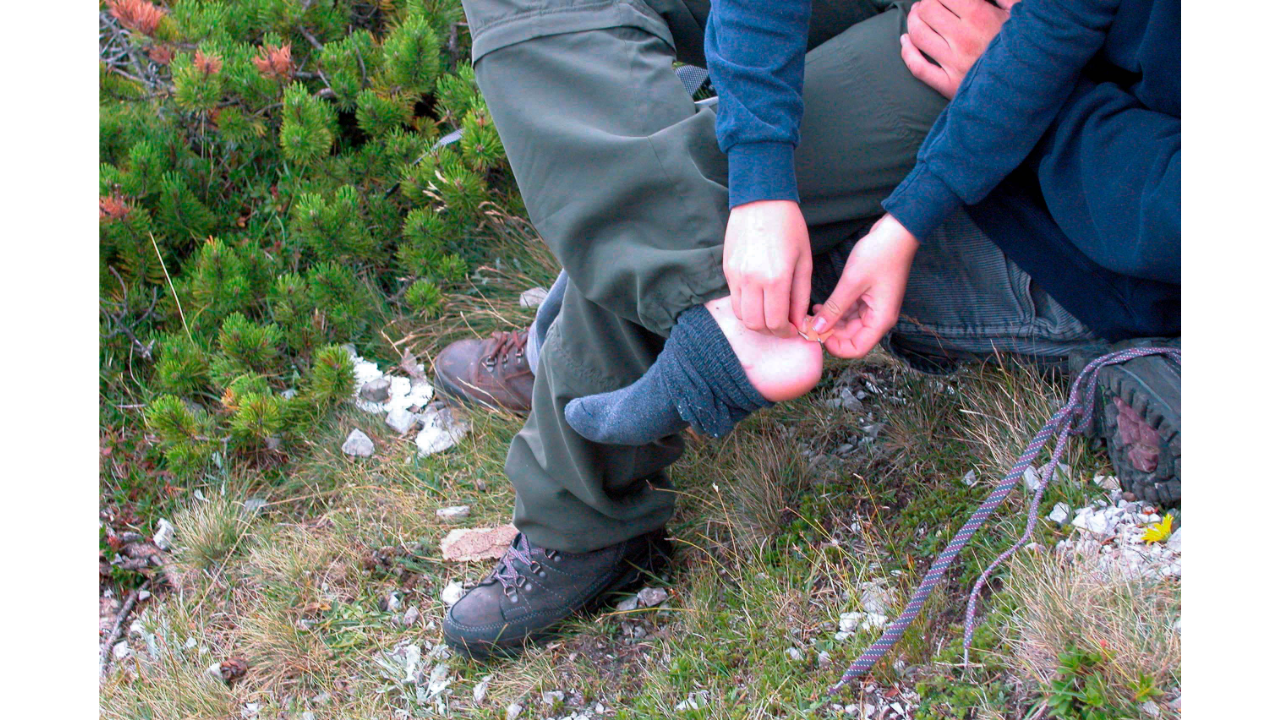
Putting a plaster over a Blister from wearing hiking boots

Exploring the Impact of Hiking Boots on Foot Blisters

Why do hiking boots cause blisters?

Blisters are the bane of every hiker’s existence. These painful, fluid-filled sacs that form on the feet can quickly turn a pleasant hike into a miserable experience. While there can be various causes for blisters, one common culprit is hiking boots. In this comprehensive guide, we will delve into the factors that make hiking boots a potential source of blisters and discuss strategies to prevent them. So lace up your boots, grab your backpack, and let’s hit the trail to discover why hiking boots cause blisters!

Introduction

Hiking is a wonderful way to connect with nature, challenge oneself physically, and experience breathtaking views. However, when blisters form on your feet, they can quickly dampen the joy of hiking. Understanding why hiking boots cause blisters is crucial for every outdoor enthusiast. By identifying the contributing factors and implementing preventive measures, you can enjoy your hikes blister-free.

Anatomy of a Blister

Before we dive into the specific reasons hiking boots can cause blisters, let’s first understand what exactly a blister is. A blister is a small pocket of fluid that forms between the layers of the skin. It acts as a protective cushion for the underlying tissues, shielding them from further damage. Blisters typically occur in areas where excessive friction, pressure, or rubbing is present, such as the feet.

The Role of Friction

Friction is one of the primary factors that contribute to blister formation. When your foot repeatedly rubs against the interior of the boot, the friction generated can lead to the development of blisters. The constant back-and-forth motion between the boot and your skin causes the layers of the skin to separate, forming a pocket that fills with fluid. This separation is a defence mechanism of the body to prevent deeper tissue damage.

Insufficient Cushioning

Inadequate cushioning in hiking boots can exacerbate the friction-induced blisters. The absence of proper padding and shock absorption within the boot can increase the pressure exerted on specific areas of the foot. This elevated pressure intensifies the rubbing and shear forces, creating a favourable environment for blister formation. It is essential to choose hiking boots that provide sufficient cushioning to minimize this risk.

Improper Fit and Sizing

One of the most common causes of blisters from hiking boots is an improper fit and sizing. Ill-fitting boots can result in excessive movement of the foot inside the shoe. When your foot slides or shifts within the boot, it creates increased friction and rubbing, leading to blisters. It is crucial to ensure that your hiking boots fit snugly but not too tight, allowing for a comfortable and secure fit that minimizes unnecessary movement.

Material and Construction

The materials used in the construction of hiking boots can significantly impact their blister-causing potential. Some materials, like stiff or rigid fabrics, can be less forgiving and more likely to create friction against the skin. Conversely, boots made from flexible, breathable materials can reduce the likelihood of blister formation by allowing better airflow and reducing moisture build-up. Consider choosing boots that prioritize comfort and flexibility without compromising durability.

Moisture and Sweating

Moisture is a friend of blisters, and when combined with sweat, it becomes a recipe for foot discomfort. Excessive moisture can soften the skin, making it more susceptible to friction and blister formation. Additionally, damp environments inside the boot can lead to increased bacterial growth, which further contributes to blister development. Investing in moisture-wicking socks and ensuring proper ventilation within your boots can help combat this issue.

Break-in Period

New hiking boots often require a break-in period to mould to the shape of your feet and reduce friction. Wearing new boots on long hikes without properly breaking them in can lead to blisters. During the break-in process, the boots gradually adapt to the contours of your feet, allowing for a more comfortable fit and reduced friction. It is crucial to gradually increase the duration and intensity of your hikes when wearing new boots to prevent blisters.

Socks Matter Too

While hiking boots play a significant role in blister prevention, the choice of socks should not be overlooked. Wearing the wrong type of socks can increase friction and moisture, leading to blisters. Opt for moisture-wicking socks made from synthetic or natural fibres that keep your feet dry. Additionally, seamless socks can reduce rubbing against the skin and minimize the risk of blisters.

[product_table id=”283716″]

Strategies to Prevent Blisters

Now that we have explored the various factors that make hiking boots a potential cause of blisters, let’s discuss strategies to prevent them. By implementing these measures, you can increase your chances of enjoying blister-free hikes:

  • Choose the right hiking boots: Ensure proper fit, adequate cushioning, and suitable materials.
  • Break-in your boots: Gradually wear them for shorter durations before embarking on long hikes.
  • Wear moisture-wicking socks: Opt for socks that keep your feet dry and reduce friction.
  • Keep your feet clean and dry: Moisturize your feet before hikes and change socks if they become wet.
  • Use blister prevention products: Apply moleskin, blister pads, or lubricants to areas prone to blister formation.
  • Maintain proper hygiene: Keep your toenails trimmed to prevent them from rubbing against the front of the boot.
  • Take regular breaks: Give your feet a chance to rest and air out during longer hikes.
  • Consider alternative footwear: If blisters persist, try different boot styles or consider hiking shoes or trail runners.

First Aid Kits – Top Picks


[product_table id=”283147″]

FAQ

Q: Are blisters unavoidable when hiking with boots?

A: While blisters can be common among hikers, they are not unavoidable. By choosing the right boots, wearing suitable socks, and implementing preventive measures, you can significantly reduce the risk of blisters.

Q: Can I prevent blisters by wearing multiple layers of socks?

A: Layering socks can help reduce friction and blister formation. However, it is essential to ensure that the socks fit well together and do not create additional pressure points.

Q: How long does it take to break in hiking boots?

A: The break-in period for hiking boots can vary depending on the boot’s construction and the individual’s feet. It is recommended to gradually increase the duration and intensity of wearing the boots over several shorter hikes until they feel comfortable.

Q: Should I pop a blister if it forms?

A: It is generally recommended not to pop a blister unless it becomes extremely painful or interferes with your ability to walk. If you must drain it, follow proper sterilization procedures and protect the area afterward to prevent infection.

Q: Can I wear hiking boots without socks?

A: It is not advisable to wear hiking boots without socks as this increases the risk of blisters due to increased friction and moisture buildup. Socks provide an additional layer of protection and help absorb sweat.

Q: Are there any home remedies to treat blisters?

A: There are several home remedies you can try to alleviate the discomfort of blisters. Applying aloe vera gel, tea tree oil, or a mixture of water and apple cider vinegar can help soothe the affected area. However, if the blister is severe or shows signs of infection, it is best to seek medical attention.

Conclusion

Blisters can be a frustrating and painful consequence of hiking, but with the right knowledge and preventive measures, they can be minimized or avoided altogether. In this article, we have explored the various reasons why hiking boots can cause blisters, including factors such as friction, improper fit, insufficient cushioning, and moisture. We have also discussed strategies to prevent blisters, such as choosing the right boots and socks, maintaining proper hygiene, and using blister prevention products. By implementing these recommendations, you can enjoy your hikes without the discomfort of blisters and fully immerse yourself in the wonders of nature.

Popular First Aid Kits

[product_table id=”283147″]

Posted on Leave a comment

Scrambling Nordkollen, Sommarøy, Norway

scrambling-nordkollen,-sommaroy,-norway

Scrambling Nordkollen, Sommarøy, Norway

Nordkollen is a short detour off the main highway.

Well worth it in my opinion. A charming spot. There’s an excellent free campsite on Sommarøy, as well.

The hike is only 1.6-km out-and-back. About an hour. BUT it’s steep and interesting due to the rope & chain assistance.

In good weather, you are not likely to use the ropes much. But in wind, rain, snow, or ice it would be useful.

Of course there are great vistas once at the top in good weather.

As always, footing is more challenging on the steep sections going down.

Posted on Leave a comment

#6 best hiking region in the world is the …

#6-best-hiking-region-in-the-world-is-the-…

#6 best hiking region in the world is

Patagonian Andes

Patagonia is massive and bleak. Yet we love the Patagonian Andes, 2000km (1243mi) in length, but averaging less than 100km (62mi) in width. You could take years exploring just the eastward (drier) side of the mountains.

Towering granite peaks, untouched lakes, massive glaciers, huge volcano trekking peaks. This land is phenomenal.

Trekkers target five areas:

Start in Mendoza, Argentina and visit the highest mountain outside Asia, Aconcagua. Next bus to the Switzerland of South America (Lake District). Some of the highest volcanoes of the world are here. Finally, work your way south by air and ferry to the granite spires at the south tip of the continent.

Trekking season here is Nov-Apr. (Feb-Mar often the best weather) That said, the wind and weather in Patagonia is notorious. Independent hikers need be prepared for anything and everything.

Conversational Spanish highly recommended for those travelling independently.

More information on our new Patagonia information page.

Our favourite hike in the Patagonian Andes is the Paine Circuit in Chile.


John Grey Pass, Paine Circuit – flickr – Patagonia set – Michael Bollino

See our Paine Circuit Information page.

The bible is Lonely Planet Trekking in the Patagonian Andes:

Lonely Planet Trekking in the Patagonian Andes

Posted on Leave a comment

Kraig Adams Hiking Grand Tour des Dents, Switzerland

kraig-adams-hiking-grand-tour-des-dents,-switzerland

Kraig Adams Hiking Grand Tour des Dents, Switzerland

Hut to hut hiking. Fixed schedule.

Early June.

… 66.5-km point-to-point trail near Champéry, Valais. Generally considered a challenging route, it takes an average of 28 h 26 min to complete. …

AllTrails

Click PLAY or watch it on YouTube.