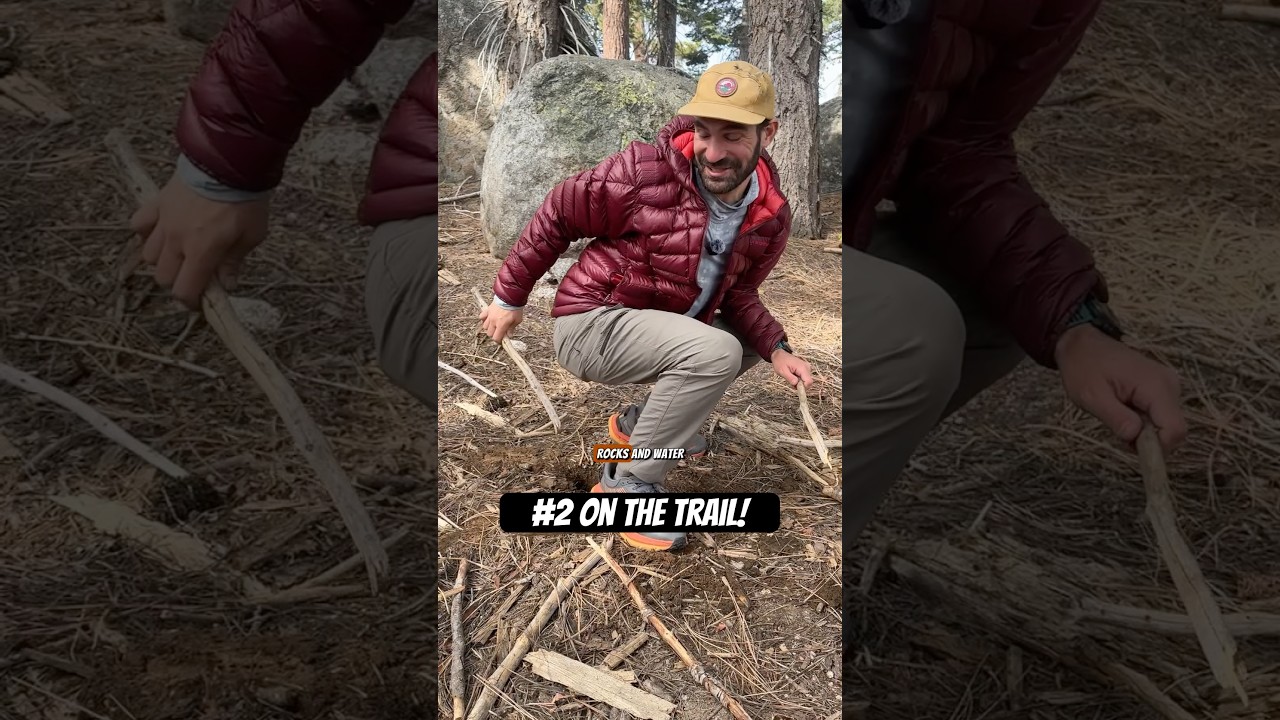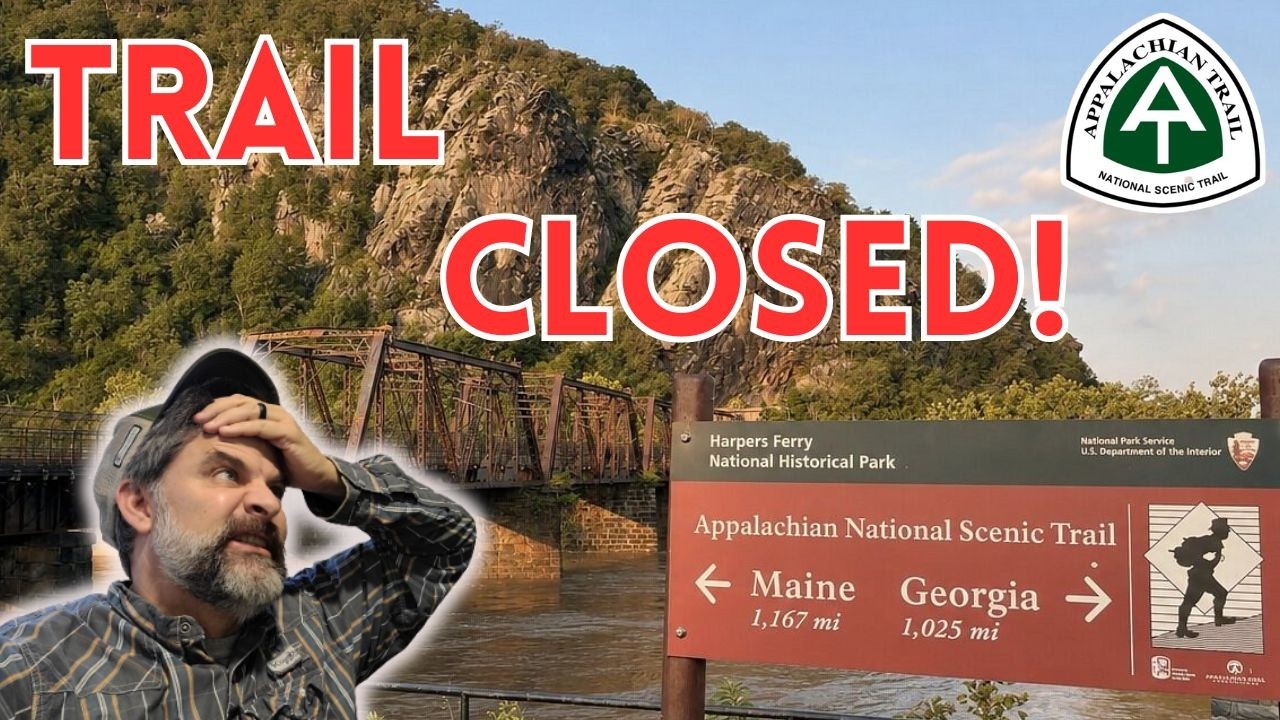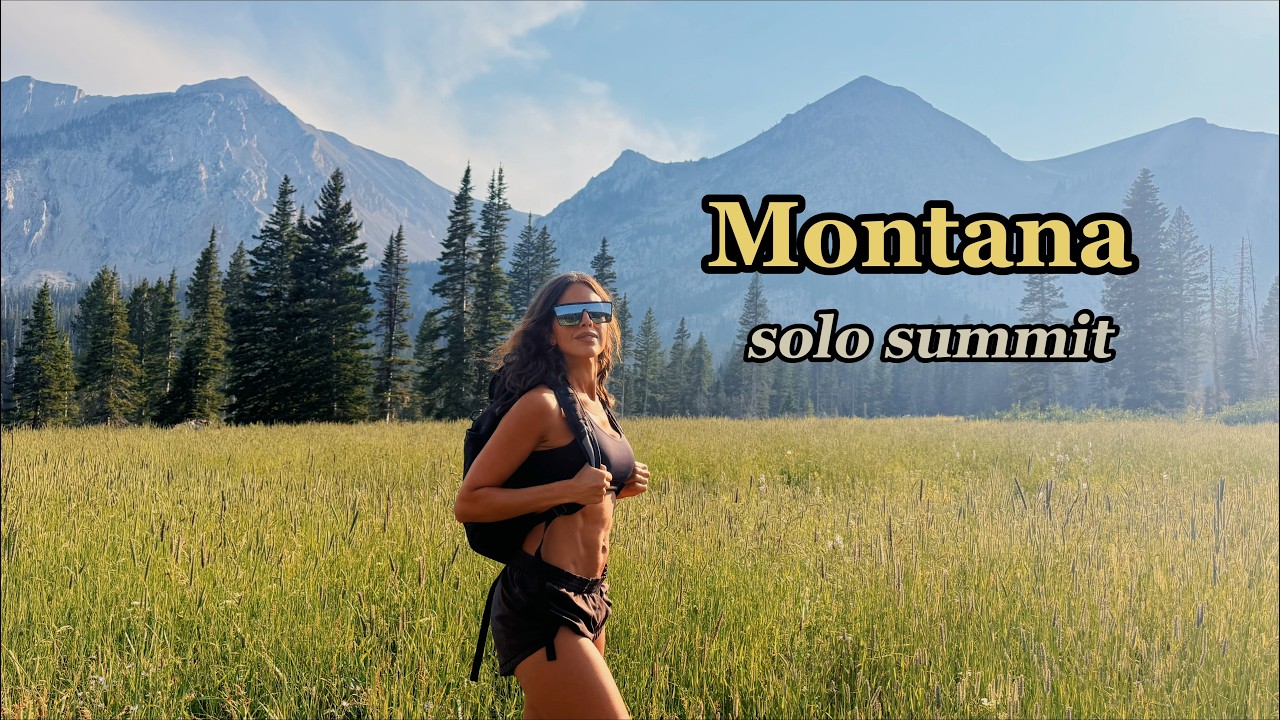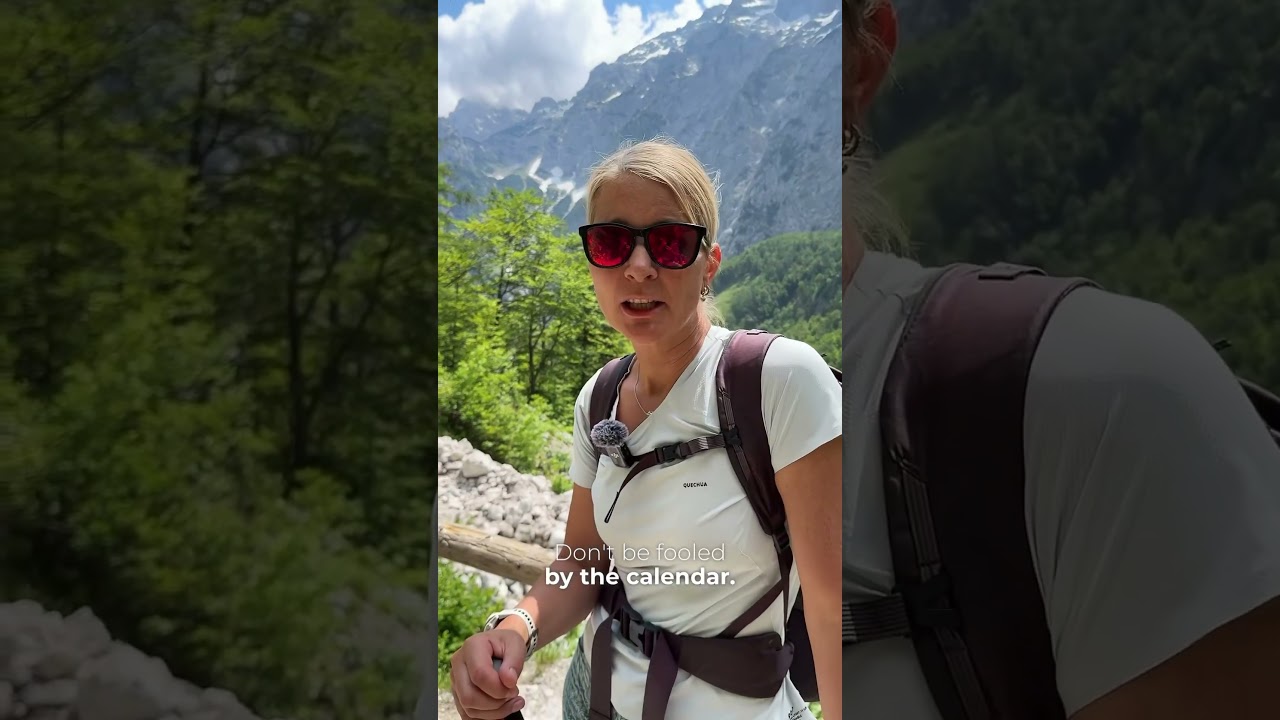
Good advice from one of the most experienced hiking vloggers.
Of course if you aren’t in the USA, some of these items will be more difficult to get.
Click PLAY or watch it on YouTube.

Good advice from one of the most experienced hiking vloggers.
Of course if you aren’t in the USA, some of these items will be more difficult to get.
Click PLAY or watch it on YouTube.

A great list. Diverse Scenery.
01:25 Clouds Rest to Half Dome
02:40 John Muir Trail
03:38 Avalanche Lake
04:34 Laughton Glacier Alaska
07:32 Sahale Glacier – Washington
08:48 Big Pine Lakes
09:51 Beehive Trail – Maine
11:00 False Kiva
12:07 Cloudland Canyon Waterfall Trail
13;16 Kings Peak
15:35 Rattlesnake Arches
16:30 Double O Arch
17:35 Havasu Falls
18:40 Kalalau Trail
19:53 Franconia Ridge Loop
20:42 Longs Peak
22:07 Lost Coast Trail
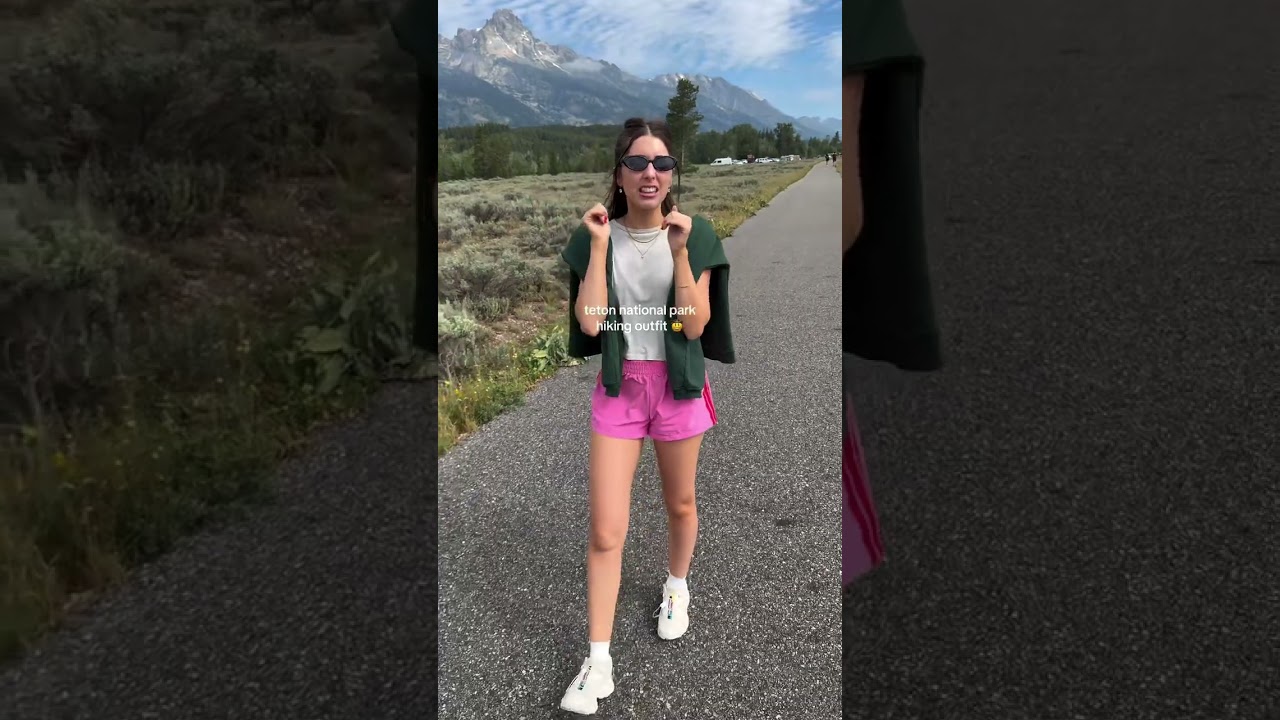
23:00 Teton Crest Trail
Click PLAY or watch it on YouTube.

Heart, lungs, cardiovascular benefits — for sure.
After 17 days on the John Muir Trail I felt fantastic. Lean and fit.
But there are some risks with long slow distance exercise over many, many days.
Of course there’s a risk of injury. Especially chronic injury.
Click PLAY or watch it on YouTube.

Choosing the best hiking boots is essential for safe, comfortable, and enjoyable outdoor adventures. Wearing the wrong hiking footwear can lead to painful blisters, injuries, and fatigue. Understanding what to look for ensures you select hiking boots that match your hiking style, terrain, and climate. In this comprehensive hiking boot buying guide, you’ll learn everything you need to know—from boot types and fit to features and expert shopping tips.
Hiking boots come in various styles designed for specific uses. Here are the main types of hiking boots:
Lightweight Hiking Boots: Ideal for day hikes on well-maintained trails. They offer excellent comfort without extra bulk.
Backpacking Boots: Built for multi-day treks with heavy backpacks. These provide superior support, stability, and durability.
Mountaineering Boots: Engineered for rugged mountain terrain and ice climbing. Stiff, insulated, and crampon-compatible.
Hiking Shoes & Minimalist Boots: Resemble trail running shoes. Lightweight and flexible, perfect for casual hikes and fastpacking.
No products found.
Your perfect pair depends on several factors:
Terrain: Smooth trails call for lightweight hiking shoes, while rocky or steep terrain demands supportive hiking boots with aggressive tread.
Weight & Durability: Heavier, more rugged boots better support loads on long hikes.
Season & Climate: Winter hiking boots are insulated and waterproof. Summer hiking boots prioritize breathability to keep feet cool.
Leather Hiking Boots: Durable, water-resistant, supportive, but heavier.
Synthetic Hiking Boots: Lighter and faster drying, though often less long-lasting.
Mesh Panels: Improve ventilation and reduce weight, ideal for warm-weather hiking.
Deep Lugs: Deliver grip on muddy or uneven surfaces.
Moderate Tread: Best for well-maintained paths.
Rubber Outsoles: Offer balance between traction and flexibility.
No products found.
Boots should feel snug but never tight.
Ensure enough toe room to prevent bruising on descents.
Heels should stay secure without slipping.
Consider insoles or orthotics for added support.
Look for hiking boots with waterproof membranes like GORE-TEX or eVent. These keep water out while allowing moisture to escape, preventing sweaty feet and blisters.
Insulated Hiking Boots: Keep feet warm in winter conditions.
Lightweight Hiking Boots: Reduce fatigue on long hikes in mild weather.
No products found.
Measure both feet at day’s end when they’re largest.
Record length, width, and arch type (flat, neutral, high).
Use proper hiking socks for accurate sizing.
Wear your hiking socks and any insoles you plan to use.
Walk, climb stairs, and test incline surfaces.
Check for pressure points or heel lift.
Allow a thumb’s width of space in front of your toes.
Wear new boots around the house or on short walks.
Gradually increase wear time to mould them to your feet.
Proper break-in prevents blisters on longer hikes.
Outdoor Specialty Stores: Expert fitting and guidance.
Trusted Online Retailers: Wider selection and reviews.
Official Brand Stores: Latest models and exclusive deals.
No products found.
Construction: Sturdy stitching, robust eyelets, secure sole attachment.
Waterproof Membrane: High-quality waterproofing keeps feet dry.
Supportive Insoles: Provide arch and heel support for long treks.
Entry-Level Hiking Boots (£50–£80): Good for occasional, easy trails.
Mid-Range Hiking Boots (£100–£200): Better durability and support for regular hikers.
Premium Hiking Boots (£200+): Ideal for serious trekkers and challenging terrain.
Investing in the right hiking footwear pays off in comfort, performance, and longevity.
Top hiking boot brands trusted by outdoor enthusiasts include Salomon, Merrell, Scarpa, Lowa, and La Sportiva. Always read customer reviews and consult specialists to find the best hiking boots for your needs.
No products found.
Brush off mud and debris.
Use mild soap and lukewarm water.
Air dry away from heat sources.
No products found.
Inspect soles and seams for wear.
Refresh waterproofing as needed.
Replace insoles when cushioning fades.
Keep boots in a cool, ventilated space.
Use boot trees or stuff with newspaper to maintain shape.
Choosing the best hiking boots isn’t only about style—it’s about comfort, safety, and performance. Focus on fit, material, waterproofing, and the terrain you’ll tackle. Take time to compare options, try different pairs, and allow for a break-in period. The right hiking boots can transform your outdoor experiences and keep your feet happy on every trail.

Leigh McAdam recommends:
Berg Lake
Elfin Lakes, Garibaldi Provincial Park
Elk Lakes – Petain Basin
Eva Lake, Mount Revelstoke National Park
Frosty Mountain, Manning Provincial Park
Garibaldi Lake, Garibaldi Provincial Park
Gwillim Lakes, Valhalla Provincial Park
Howe Sound Crest Trail near Vancouver
Hermit Trail, (Canadian) Glacier National Park
Iceline Trail – Yoho Valley Loop
Kaslo Lake or Kokanee Glacier Cabin, Kokanee Glacier Park
Nootka Island Trail
North Coast Trail
Rainbow Range Trail, Tweedsmuir Provincial Park
Rockwall Trail
Takkakaw Falls – Laughing Falls – Twin Falls – Whaleback Ridge Loop
West Coast Trail
Details from Leigh Adams on Hike Bike Travel – 21 Backpacking Trips in BC That Will Blow You Away

Having done most of those adventures myself, of that list I’d first recommend:

Amity Gaige had a hit with this novel.
Personally, I felt the storytelling average. Sometimes pretentious.
What kept me going was the plot ➙ story of the search for Valerie Gillis, a 42-year-old hiker known as “Sparrow,” who vanishes while navigating the challenging Appalachian Trail.
After weeks experience on the A.T., Sparrow makes many dumb mistakes.
The book was slightly inspired by the story of Geraldine Largay who went missing in 2013 and survived for 26 days.
Valerie pours her thoughts into fractured, poetic letters to her mother as she battles the elements and struggles to keep hoping.
At the heart of the investigation is Beverly, the determined Maine State Game Warden tasked with finding Valerie, who leads the search on the ground. Meanwhile, Lena, a seventy-six-year-old birdwatcher in a Connecticut retirement community, becomes an unexpected armchair detective. …
… The mystery inspires larger questions about the many ways in which we get lost, and how we are found. …
The ending of the book did tie up things well.
And some of the philosophical musings were interesting to me.


Summer hiking is a rewarding way to explore the outdoors, but hiking in hot weather comes with its own set of challenges. Overheating, dehydration, and sunburn can quickly turn a scenic trek into a miserable ordeal if you aren’t properly prepared. That’s why knowing what to wear hiking in heat is just as important as choosing the right trail.
In this guide, we’ll cover essential summer hiking clothes, gear recommendations, and hot weather hiking tips to help you stay cool, safe, and comfortable when the temperature climbs.
The first rule of dressing for hot weather hiking is to avoid heavy or cotton fabrics. Cotton tends to trap moisture and dries slowly, increasing the risk of chafing and overheating. Instead, look for these materials:
These synthetic or performance fabrics are designed to wick sweat away from your body, dry quickly, and allow for better airflow.
No products found.
Look for UPF-rated fabrics to get built-in sun protection.
Light colours reflect sunlight, while dark colours absorb it. Wearing light-coloured clothing can significantly reduce how much heat your clothes retain.
Some light-coloured clothing is treated with UV-blocking agents. Check the label for a UPF rating of 30 or higher.
When selecting a hiking shirt for hot weather, think about ventilation, fit, and protection:
Avoid cotton T-shirts—they soak up sweat and turn into heavy, clingy messes.
No products found.
Your lower half matters too! For most summer hikes, moisture-wicking hiking shorts are ideal. But if you’re hiking through brush, bugs, or sun-exposed areas, consider lightweight hiking pants with built-in ventilation.
Pants with side vents or mesh-lined pockets can offer surprising relief on hot days.
Your feet take the brunt of any hike, and overheating can lead to blisters. To prevent discomfort:
Don’t forget to break in any new footwear before attempting a long hike.
No products found.
Sun exposure to your head and neck can increase body temperature rapidly. A proper hiking hat can prevent sunburn, heatstroke, and glare:
Some hats come with sweatbands or cooling fabrics to help regulate temperature.
Protect your eyes with UV-blocking sunglasses. Bright sunlight reflecting off rocks, sand, or water can strain your eyes and increase fatigue.
Polarized lenses are best for cutting glare and enhancing trail visibility.
No products found.
Even with UPF-rated clothing, exposed skin needs protection. Use a broad-spectrum sunscreen with SPF 30 or higher, and don’t forget these spots:
Reapply every 2 hours or more frequently if sweating heavily.
No products found.
While not technically clothing, carrying a hydration-compatible backpack helps ensure you stay cool and safe. Look for:
Consider adding electrolyte tablets or drinks to replace what you sweat out.
No products found.
If the heat is intense, consider accessories designed specifically to keep you cool:
Some of these can be reactivated with just a splash of water.
Knowing what to wear hiking in hot weather can transform your summer hikes from sweaty slogs to enjoyable adventures. Focus on breathable, lightweight clothing in light colors, invest in sun-protective gear, and don’t underestimate the value of proper hydration and cooling accessories.
With the right clothing and a few smart hot weather hiking tips, the heat doesn’t have to keep you off the trail. So grab your gear, dress smart, and get out there!

Over the years, I’ve taken thousands of photos Rathtrevor Beach Provincial Park close to Nanaimo, Vancouver Island.
Most of those near dawn. I’d enjoy my first coffee of the day on the beach.
BUT summer 2025 I’m relocating back to my home town ➙ Calgary, Alberta.
I’ll miss those Rathtrevor mornings.
Click PLAY or watch it on YouTube. Montage of some of my favourite photos.
See more of my favourite Rathtrevor pics on Flickr.
Of course I’ve made many VIDEOS on Rathtrevor, as well.
My favourite of those is Vancouver Island at Dawn — 4 Seasons
.
Click PLAY or watch it on YouTube.
When I first got into serious VIDEO editing — during COVID — this 2020 edit is another favourite.
Click PLAY or watch it on YouTube.