Posted on Leave a comment

The Brecon Beacons – A Natural Wonder

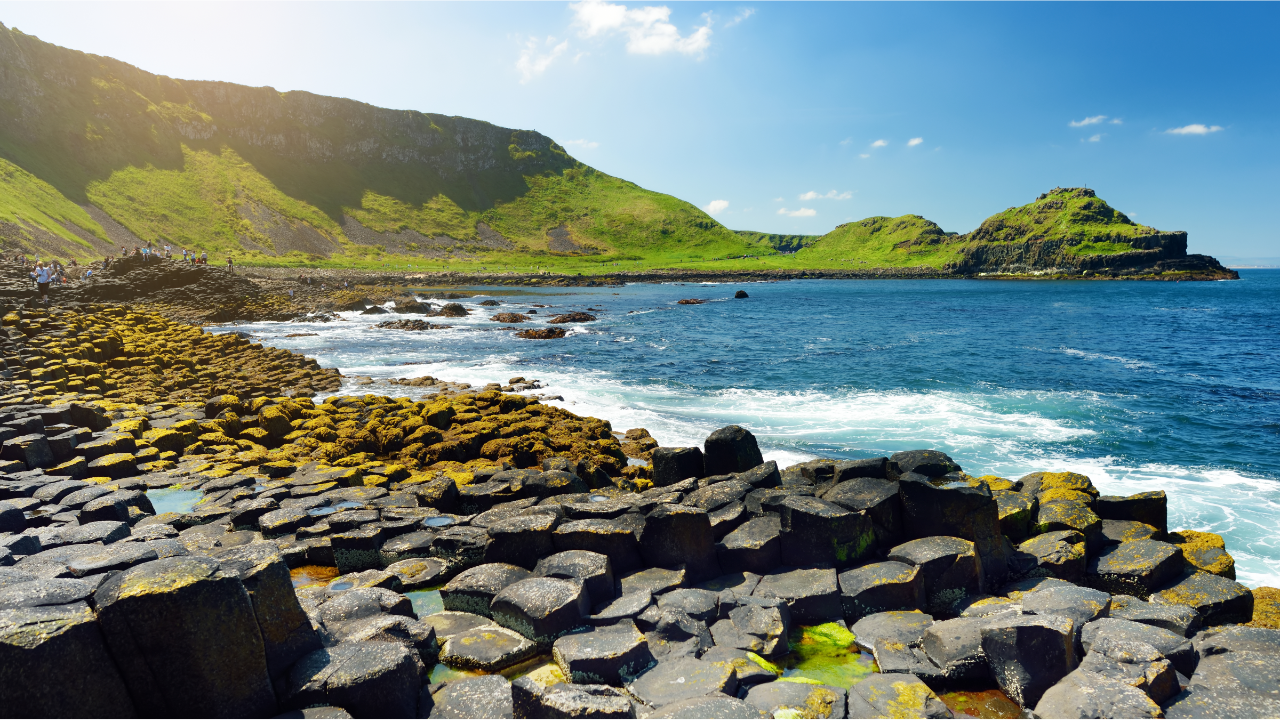
View across The Brecon Beacons

The Brecon Beacons: Exploring the Majestic Beauty of Wales

Introduction

Welcome to the enchanting world of the Brecon Beacons, a stunning mountain range located in the heart of Wales. With its rugged peaks, breathtaking landscapes, and rich cultural heritage, the Brecon Beacons offer a captivating experience for outdoor enthusiasts, nature lovers, and history buffs alike. In this comprehensive guide, we will embark on a journey through the majestic beauty of the Brecon Beacons, uncovering its hidden gems, delving into its fascinating history, and providing you with all the information you need to make the most of your visit to this extraordinary destination.

The Brecon Beacons: A Natural Wonder

The Splendour of Pen y Fan

Pen y Fan, the highest peak in the Brecon Beacons, stands proudly at 886 meters (2,907 feet) above sea level, offering panoramic views of the surrounding landscapes. As you ascend its slopes, you’ll be treated to a mesmerizing tapestry of rolling hills, picturesque valleys, and shimmering lakes. The challenging hike to the summit is rewarded with a sense of accomplishment and awe-inspiring vistas that stretch as far as the eye can see.

Situated in the stunning Brecon Beacons National Park in Wales, Pen y Fan is a magnet for hikers and outdoor enthusiasts seeking adventure and natural beauty. Its imposing presence dominates the skyline, beckoning those who are ready to conquer its heights.

The journey begins at one of the trailheads, such as the popular Pont ar Daf car park, which serves as the starting point for the classic route to Pen y Fan. As you set foot on the path, the anticipation builds, and you are immediately surrounded by the park’s enchanting wilderness. The trail meanders through verdant landscapes, passing through lush meadows and ancient woodlands that come alive with birdsong and the rustle of leaves underfoot.

The ascent becomes more demanding as you approach the summit, with the terrain gradually becoming steeper and rockier. The well-maintained footpath provides guidance along the way, ensuring a safe and enjoyable hiking experience. Take your time, listen to the rhythm of your footsteps, and embrace the challenge that lies ahead.

As you climb higher, the world unfolds beneath you in breathtaking splendor. The rolling hills of the Brecon Beacons unfurl in all directions, revealing their patchwork of green hues. Valleys stretch out before you, carved by ancient glaciers and shaped by the elements over millennia. Glacial lakes, such as Llyn Cwm Llwch and Llyn y Fan Fawr, glisten like sapphires nestled amidst the rugged terrain.

Reaching the summit of Pen y Fan is an exhilarating achievement. Standing atop this majestic peak, you are rewarded with a panoramic view that is nothing short of awe-inspiring. The vastness of the landscape spreads out before you, with sweeping vistas that extend across the Brecon Beacons and beyond. On a clear day, you may even catch a glimpse of the distant Black Mountains or the Bristol Channel shimmering on the horizon.

Take a moment to absorb the beauty of your surroundings, to reflect on your journey, and to appreciate the sheer grandeur of nature. The wind whispers in your ears, and the sense of accomplishment fills your being. Capture the moment with your camera, but also etch it into your memory, for this is a view that will stay with you long after you descend from the summit.

As you make your way back down, the descent offers a chance to reflect on the incredible landscapes you’ve witnessed. The ever-changing light casts different hues upon the hills, creating a dynamic tapestry of colors. Be sure to take care with your footing, especially on the rocky sections, and savor the tranquility of the mountain as it embraces you on your journey back to the trailhead.

Hiking Pen y Fan is an experience that combines physical challenge, natural beauty, and a deep connection with the rugged landscapes of the Brecon Beacons. Whether you’re an experienced hiker seeking a new conquest or a nature lover yearning to be immersed in the splendor of the great outdoors, this iconic peak offers an adventure that will leave you with a profound appreciation for the power and majesty of the natural world. So, lace up your boots, breathe in the mountain air, and embark on an unforgettable journey to the summit of Pen y Fan.

Exploring Waterfall Country

Nestled within the Brecon Beacons National Park is Waterfall Country, a haven of cascading waterfalls, lush forests, and crystal-clear streams. This magical realm invites you to embark on scenic walks along the trails that wind through the verdant landscapes. Be captivated by the sheer beauty of falls such as Sgwd Yr Eira, where the water tumbles dramatically over a rock ledge, creating a breathtaking spectacle. Immerse yourself in the tranquillity of this enchanting corner of the Brecon Beacons.

Located in the southern part of the national park, Waterfall Country is a hidden gem that delights visitors with its natural splendor. As you enter this haven, you are embraced by the soothing sounds of rushing water and the fresh scent of the surrounding forests.

The trails in Waterfall Country meander through ancient woodlands, where sunlight filters through the canopy, casting dappled shadows on the forest floor. Moss-covered rocks and ferns line the path, creating a picturesque setting that feels like a scene from a fairy tale.

One of the standout attractions of Waterfall Country is Sgwd Yr Eira, a waterfall that epitomizes the beauty and power of nature. As you approach this majestic cascade, you can hear the thunderous roar of water crashing against the rocks. The trail leads you behind the waterfall, allowing you to witness its breath-taking beauty up close. Feel the mist on your face and listen to the symphony of water as it plunges into the pool below. It’s a truly mesmerizing experience that will leave you in awe of nature’s grandeur.

But Sgwd Yr Eira is just one of the many waterfalls that grace this idyllic landscape. Each turn along the trail reveals another hidden gem, from the elegant cascades of Sgwd Clun-gwyn and Sgwd Isaf Clun-gwyn to the serene pools of Sgwd Ddwli and Sgwd Einion Gam. Each waterfall has its own unique character, inviting you to pause, take in the beauty, and connect with the rhythmic flow of nature.

As you explore Waterfall Country, keep an eye out for the abundant wildlife that calls this place home. You may spot elusive birds flitting among the trees, or if you’re lucky, glimpse a shy otter playing in the clear streams. The rich biodiversity of the area adds to the enchantment of the experience, immersing you in a world teeming with life.

The tranquillity of Waterfall Country offers a respite from the bustling outside world. Take the time to sit on a moss-covered rock, close your eyes, and listen to the symphony of nature. The babbling streams, the rustle of leaves, and the occasional song of a bird create a soothing soundtrack that rejuvenates the soul.

Whether you embark on a short walk to admire a single waterfall or embark on a longer adventure to explore the entire Waterfall Country, you’ll find yourself immersed in a realm of natural beauty that will leave an indelible mark on your heart. It’s a place where time seems to stand still, where the worries of everyday life melt away, and where the serenity of the surroundings fills you with a sense of peace.

So, lace up your hiking boots, follow the trails that wind through Waterfall Country, and let yourself be captivated by the magical beauty of the cascades, the tranquillity of the forests, and the serenity of this enchanting corner of the Brecon Beacons. It’s a journey that promises to ignite your sense of wonder and leave you with cherished memories that will last a lifetime.

The Dark Skies of the Brecon Beacons

The Brecon Beacons National Park is a designated International Dark Sky Reserve, making it an ideal destination for stargazers and astronomy enthusiasts. Away from the light pollution of urban areas, the dark skies above the park reveal a stunning display of stars, constellations, and even the Milky Way. Witness the celestial wonders unfold before your eyes, and marvel at the vastness of the universe in this protected sanctuary.

When night falls in the Brecon Beacons, a remarkable transformation takes place. The skies become a canvas adorned with countless stars, each one a tiny speck of brilliance in the vast expanse above. The absence of artificial light allows the celestial bodies to shine with unparalleled clarity, revealing a mesmerizing tapestry that has captivated humanity for centuries.

As you gaze upward, you’ll be greeted by familiar constellations, such as Orion, the Big Dipper, and Cassiopeia, each constellation telling its own mythical tale. With the help of star charts or knowledgeable guides, you can navigate the night sky and trace the paths of these celestial formations, connecting with the ancient stories and beliefs that have been woven into human culture.

But it’s not just the individual stars and constellations that steal the show in the Brecon Beacons. On a clear night, you can witness the ethereal glow of the Milky Way arching across the heavens, a band of innumerable stars stretching across the sky. The sight of this galactic river evokes a sense of wonder and humility, reminding us of our place in the vastness of the universe.

The dark skies of the Brecon Beacons National Park also offer opportunities for astrophotography, allowing you to capture the beauty of the night sky with your camera. Long exposure shots reveal intricate details of distant galaxies, nebulae, and even shooting stars, providing a tangible record of the mesmerizing spectacle that unfolded above you.

To enhance your stargazing experience, the national park hosts various events and activities throughout the year. From guided stargazing walks to astronomy workshops, there are opportunities to learn from experts and deepen your understanding of the cosmos. These experiences provide a unique opportunity to engage with the celestial wonders in a meaningful way, allowing you to appreciate the science and beauty behind the stars.

Remember to come prepared for stargazing adventures in the Brecon Beacons. Dress warmly, as the nights can get chilly, and bring blankets or comfortable chairs to sit or lie down on as you observe the sky. It’s also advisable to bring a red flashlight or cover your regular flashlight with red cellophane to preserve night vision and minimize light pollution.

Whether you’re a seasoned astronomer or simply someone who appreciates the magic of the night sky, the Brecon Beacons National Park offers an unforgettable stargazing experience. Allow yourself to be captivated by the celestial wonders that unfold above, and let the vastness of the universe inspire a sense of awe and curiosity within you. In this designated Dark Sky Reserve, the night sky becomes a portal to the infinite, inviting you to explore and contemplate the mysteries of the cosmos.

Unveiling the Rich History and Culture

Brecon: A Town Steeped in History

The town of Brecon, located at the northern edge of the Brecon Beacons, is a charming market town with a rich history dating back to Roman times. Steeped in heritage and surrounded by stunning natural beauty, Brecon offers a delightful blend of historic attractions, cultural treasures, and culinary delights.

Wandering through the narrow streets of Brecon, you’ll find yourself immersed in a tapestry of architectural wonders. The town is adorned with historic buildings that bear witness to its storied past. Explore the quaint shops and boutiques housed in centuries-old structures, and take in the unique charm of this bustling market town.

One of the standout landmarks in Brecon is the magnificent Brecon Cathedral, a symbol of spiritual and architectural grandeur. This ancient place of worship boasts stunning stained glass windows, intricate carvings, and a peaceful ambiance that invites contemplation and reflection. Step inside and let the serenity of the cathedral envelop you as you admire its architectural marvels and soak in the spiritual atmosphere.

For those eager to delve deeper into the town’s history, the Brecknock Museum and Art Gallery is a must-visit. Housed in a historic building, this museum showcases a diverse collection that spans millennia, offering insights into the rich heritage of the area. From archaeological artifacts to works of art that celebrate the town’s cultural legacy, the museum provides a fascinating journey through time.

No visit to Brecon is complete without indulging in the local cuisine and traditional Welsh delicacies. The town is home to a range of cosy pubs and restaurants that serve up hearty meals made from locally sourced ingredients. Sample dishes such as cawl (a traditional Welsh soup), lamb and leek pie, or Welsh rarebit, and let your taste buds revel in the authentic flavors of Wales. Wash it down with a pint of locally brewed ale or cider for the perfect culinary experience.

Brecon also hosts various events and festivals throughout the year, offering opportunities to engage with the vibrant local culture. From music and arts festivals to agricultural shows and craft fairs, there’s always something happening in this lively town. Immerse yourself in the festive atmosphere, mingle with the friendly locals, and create cherished memories as you participate in the town’s vibrant community life.

As you explore Brecon and its surroundings, you’ll be captivated by the breathtaking landscapes that envelop the town. The rolling hills, meandering rivers, and verdant valleys create a picturesque backdrop that invites outdoor adventures. Embark on a leisurely walk along the River Usk, go fishing in the tranquil waters, or venture further into the Brecon Beacons National Park for invigorating hikes and panoramic vistas.

Brecon is a town that seamlessly blends history, culture, and natural beauty. It’s a place where ancient stories come to life, where traditional customs thrive, and where the warmth of the locals leaves a lasting impression. Whether you’re strolling through its historic streets, delving into its past at the museum, or indulging in its culinary delights, Brecon offers a captivating experience that will leave you yearning to return. So, take your time, soak up the charm of this enchanting market town, and let its treasures unfold before you.

Castles and Legends

The Brecon Beacons region is home to a multitude of castles, each with its own captivating stories and legends. Embarking on a journey through this historic land allows you to delve into the rich tapestry of Wales’ medieval past and immerse yourself in the tales of knights, princesses, and heroic battles.

One of the most striking castles in the area is Carreg Cennen Castle. Majestically perched on a limestone crag, this fortress stands as a testament to the strength and grandeur of medieval architecture. As you approach the castle, you’ll be greeted by breathtaking views of the surrounding countryside, adding to the sense of awe and wonder. Explore the atmospheric ruins and wander through its ancient halls and chambers, imagining the lives of those who once inhabited this formidable stronghold. Carreg Cennen Castle is not only a monument of historical significance but also a place of mystery and intrigue, with tales of secret tunnels and ghostly apparitions adding to its allure.

Another castle that transports visitors back in time is Tretower Court and Castle. This medieval stronghold showcases a unique blend of fortifications and a luxurious manor house, offering a glimpse into the lives of the noble families who resided within its walls. Step inside the Great Hall and be transported to a bygone era, where lavish feasts were held and important decisions were made. The interactive exhibits and displays bring the castle’s history to life, allowing you to engage with the past and gain a deeper understanding of the medieval period. Tretower Court and Castle also hosts events throughout the year, including re-enactments and medieval-themed festivities, providing an immersive and unforgettable experience for visitors of all ages.

As you explore these magnificent fortresses, the stories and legends of the past come alive. Imagine knights in shining armour engaged in fierce battles, damsels in distress awaiting their heroic rescuers, and lords and ladies ruling over their domains. The castles of the Brecon Beacons region are not merely stone structures; they are portals to a time long gone, where chivalry, honour, and epic tales shaped the course of history.

In addition to Carreg Cennen Castle and Tretower Court and Castle, the Brecon Beacons region boasts several other notable castles, each with its own unique charm and significance. From the well-preserved ruins of Llanthony Priory to the picturesque remains of Hay Castle, there’s a castle waiting to be discovered around every corner. These architectural marvels offer glimpses into the past and serve as reminders of the region’s rich heritage.

Whether you’re a history enthusiast, a fan of medieval legends, or simply someone who appreciates the grandeur of ancient castles, the Brecon Beacons region will captivate your imagination. Allow yourself to be transported to a time of knights and kingdoms, where the echoes of the past can still be heard within the ancient walls. Explore these magnificent fortresses, uncover their secrets, and let the stories of the past ignite your sense of wonder and fascination.

The Brecon Beacons National Park Visitor Centre

For a comprehensive introduction to the Brecon Beacons, a visit to the National Park Visitor Centre is a must. Situated near the charming village of Libanus, this informative hub serves as the gateway to the wonders of the park, offering a wealth of resources to enhance your exploration.

As you step inside the Visitor Centre, you’ll be greeted by a warm and welcoming atmosphere. The centre boasts interactive exhibits that provide a fascinating glimpse into the diverse wildlife, geological formations, and rich heritage of the Brecon Beacons. Engage with the displays that showcase the unique ecosystems found within the park, from the rugged mountains to the tranquil rivers and ancient woodlands. Learn about the native species that call this area home and gain a deeper understanding of the delicate balance of nature that thrives in this protected sanctuary.

The knowledgeable staff at the Visitor Centre are passionate about the Brecon Beacons and are ready to assist you in planning your adventures. Seek their expert advice on the best hiking trails, scenic drives, and hidden gems to explore within the park. They can provide detailed maps, guides, and up-to-date information on trail conditions, allowing you to make the most of your time in this stunning landscape. Whether you’re a seasoned hiker looking for a challenging route or a family seeking a leisurely stroll, the Visitor Centre staff can help you find the perfect experience tailored to your preferences and abilities.

In addition to the exhibits and expert guidance, the Visitor Centre also houses a well-stocked gift shop where you can browse for souvenirs, local crafts, and books on the Brecon Beacons. Pick up a memento to remember your visit or find inspiration for further exploration.

The National Park Visitor Centre is not only a hub of information but also a place of inspiration and connection. It serves as a meeting point for like-minded adventurers and nature enthusiasts, where stories are shared, experiences are exchanged, and a sense of community is fostered. Engage with fellow visitors, learn from their journeys, and be inspired by their tales of exploration.

As you leave the Visitor Centre, equipped with knowledge, maps, and a sense of anticipation, you’ll be ready to embark on your Brecon Beacons adventure. The park beckons with its majestic peaks, cascading waterfalls, and hidden valleys, inviting you to immerse yourself in its natural wonders. So, set off on your chosen path, guided by the insights gained at the Visitor Centre, and let the beauty and tranquillity of the Brecon Beacons unfold before you.

FAQs (Frequently Asked Questions)

1. What is the best time to visit the Brecon Beacons?

The Brecon Beacons can be enjoyed year-round, as each season unveils its own special charm and delights. Whether you’re an avid hiker, a nature enthusiast, or simply someone seeking a tranquil escape, there’s something to appreciate in every season.

Spring and summer are particularly inviting for outdoor activities and exploration. As the weather warms up and nature awakens from its winter slumber, the Brecon Beacons come alive with vibrant colors and blossoming flora. The hillsides are adorned with blankets of wildflowers, creating a picturesque backdrop for leisurely walks and invigorating hikes. The days are longer, allowing ample time to venture deep into the heart of the park and discover hidden gems along the way. From exploring meandering trails to picnicking by serene lakes, spring and summer offer endless opportunities to immerse yourself in the beauty of the Brecon Beacons.

As autumn arrives, the landscape transforms into a tapestry of fiery hues. The trees don their vibrant coats of red, orange, and gold, casting a warm glow over the valleys and hillsides. The crisp air and the rustling of leaves underfoot create a sensory symphony that accompanies your every step. It’s a season of enchantment, as you meander through forests painted in autumnal splendour and witness the stunning interplay of light and colour. Autumn in the Brecon Beacons is a time to slow down, to savor the beauty around you, and to embrace the tranquillity of nature’s transition.

Winter casts its own spell over the Brecon Beacons, transforming the landscape into a winter wonderland. Snow-capped peaks and frost-kissed valleys create a postcard-perfect scene that is truly magical. The stillness of the park is punctuated by the crunch of snow beneath your feet, and the crisp air invigorates your senses. Winter in the Brecon Beacons offers the opportunity for invigorating hikes along frosty trails, captivating photography of snow-dusted landscapes, and the chance to cozy up by roaring fires in traditional pubs. It’s a time to embrace the serenity of the season and experience the Brecon Beacons in a whole new light.

No matter the season you choose to visit, the Brecon Beacons will reward you with its natural splendour and captivating allure. Each time of year brings its own distinct experiences and vistas, ensuring that every visit is a unique and memorable one. So, whether you yearn for the vibrant blooms of spring, the warmth of summer adventures, the kaleidoscope of autumn colours, or the tranquil beauty of a winter’s day, the Brecon Beacons beckon you to immerse yourself in the beauty of the changing seasons.

2. Are there guided tours available in the Brecon Beacons?

Yes, the Brecon Beacons offer a variety of guided tours led by knowledgeable local experts. These guided tours provide an excellent opportunity to enhance your experience and gain deeper insights into the region’s natural wonders, cultural heritage, and hidden gems. With the guidance of experienced professionals, you can make the most of your time exploring the area and discover the true essence of the Brecon Beacons.

If you’re an avid hiker or outdoor enthusiast, there are guided hiking tours available that cater to different skill levels and interests. Whether you’re a beginner looking for leisurely walks or an experienced hiker seeking more challenging routes, these guided tours can help you navigate the trails with ease. Along the way, the knowledgeable guides will share fascinating stories about the landscapes, flora, and fauna, enriching your understanding of the environment.

For those interested in wildlife spotting, there are specialized guided tours that focus on the diverse wildlife of the Brecon Beacons. Accompanied by expert guides, you can explore the park’s habitats, including its moorlands, woodlands, and rivers, while learning about the native species that call this region home. From rare birds and butterflies to elusive mammals, these guided tours provide unique opportunities to observe and appreciate the natural biodiversity of the area.

If you’re intrigued by the cultural heritage of the Brecon Beacons, there are guided tours available that delve into the region’s history, traditions, and landmarks. Explore ancient castles, archaeological sites, and historic towns, as knowledgeable guides share captivating tales and anecdotes. Whether you’re interested in the Roman history of the area or the rich Welsh heritage, these cultural tours offer a deeper understanding of the Brecon Beacons’ past and present.

Guided tours in the Brecon Beacons can be tailored to your preferences, ensuring that you have a personalized and enriching experience. The local guides possess a wealth of knowledge and expertise, providing insightful commentary, insider tips, and answering any questions you may have along the way. They are passionate about sharing their love for the region and helping you create lasting memories of your time in the Brecon Beacons.

Whether you’re seeking adventure, knowledge, or a deeper connection with the area, guided tours in the Brecon Beacons offer a valuable and enjoyable way to explore this captivating destination. So, consider joining a guided tour and let the expertise of the local guides enhance your journey through the natural and cultural wonders of the Brecon Beacons.

3. Can I go camping in the Brecon Beacons?

Camping in the Brecon Beacons is a beloved activity that allows visitors to fully immerse themselves in the breathtaking natural surroundings. With a range of designated campsites scattered throughout the national park, there are ample opportunities to find the perfect spot to pitch your tent and connect with nature.

These campsites offer various facilities to ensure your comfort during your stay. You can find amenities such as toilets, showers, and fresh water sources, making your camping experience more convenient and enjoyable. Some campsites even provide additional features like picnic areas, playgrounds, or on-site shops where you can purchase essentials.

When planning your camping trip in the Brecon Beacons, it’s important to be aware of the regulations and guidelines in place. Certain campsites may require advance booking or permits, so it’s advisable to check with the local authorities or the official Brecon Beacons National Park website for the most up-to-date information. This helps ensure that you secure your spot and have a hassle-free experience.

To preserve the pristine beauty of the area and minimize the impact on the environment, it’s crucial to adhere to Leave No Trace principles. These principles emphasize practices such as packing out your waste, minimizing campfire impacts, respecting wildlife and vegetation, and being considerate of other campers. By following these guidelines, you contribute to the preservation of the Brecon Beacons’ natural beauty for future generations to enjoy.

Camping in the Brecon Beacons offers a unique opportunity to disconnect from the hustle and bustle of everyday life and reconnect with nature. As you wake up to the sounds of birdsong and breathe in the fresh mountain air, you’ll feel a sense of tranquillity and rejuvenation. Whether you choose a campsite nestled beside a tranquil lake, amidst rolling hills, or surrounded by ancient woodlands, you’ll be treated to stunning views and a sense of serenity that only camping can provide.

So, pack your camping gear, pitch your tent, and prepare to embark on a memorable outdoor adventure in the breath-taking landscapes of the Brecon Beacons. As you sleep under a star-studded sky and wake up to the beauty of the natural world, you’ll create cherished memories that will stay with you long after you’ve packed up your tent and bid farewell to this enchanting corner of Wales.

4. Are there opportunities for water-based activities in the Brecon Beacons?

Yes, the Brecon Beacons offer a plethora of lakes, reservoirs, and rivers, making it a paradise for water-based activities. Whether you’re a fan of canoeing, kayaking, stand-up paddleboarding, or fishing, there are abundant opportunities to enjoy your favorite water pursuits amidst the stunning natural landscapes.

Canoeing and kayaking are popular activities in the Brecon Beacons, allowing you to navigate the tranquil waters at your own pace. Whether you prefer a leisurely paddle along a calm lake or an adventurous journey down a meandering river, there are routes suitable for all skill levels. Glide through the pristine waters, surrounded by breathtaking scenery, and immerse yourself in the tranquillity of the surroundings.

Stand-up paddleboarding has gained popularity in recent years, and the Brecon Beacons provide an idyllic setting to try this activity. Stand on your board, paddle along the shimmering waters, and enjoy a unique perspective of the landscapes. Whether you’re exploring a serene lake or navigating a gentle river, stand-up paddleboarding offers a fun and rewarding way to connect with nature.

For those who enjoy fishing, the lakes and rivers of the Brecon Beacons are teeming with a variety of fish species. Cast your line into the crystal-clear waters and try your luck at catching trout, salmon, or other freshwater fish. However, it’s important to check local regulations, obtain any necessary permits or licenses, and be mindful of catch limits and conservation efforts to ensure the sustainability of the fish populations.

Before engaging in any water activities, it’s crucial to prioritize safety. Familiarize yourself with local regulations, safety guidelines, and weather conditions. If you’re new to a particular activity or unfamiliar with the area, it’s recommended to seek the advice of experienced providers or join guided tours to ensure a safe and enjoyable experience.

The Brecon Beacons offer a fantastic playground for water enthusiasts, allowing you to indulge in your favourite water-based activities amidst the stunning natural surroundings. So, grab your paddle, fishing rod, or watercraft of choice, and embark on an adventure that combines the thrill of the water with the beauty of the Brecon Beacons. Whether you’re seeking tranquility, excitement, or a connection with nature, the waters of the Brecon Beacons await your exploration.

5. Are dogs allowed in the Brecon Beacons National Park?

Yes, the Brecon Beacons National Park warmly welcomes dogs and is a great destination for dog owners to explore with their furry companions. However, it’s essential to be mindful of certain guidelines to ensure a harmonious and enjoyable experience for everyone.

While dogs are generally allowed in the national park, there are specific areas where they should be kept on a lead, especially when in close proximity to livestock. This is to protect both the livestock and your dog. Livestock may become agitated or frightened by the presence of unleashed dogs, which can result in potential harm to both animals. Therefore, it’s crucial to adhere to any signage indicating the need for dogs to be on a lead and to respect these restrictions.

Respecting the wildlife and natural environment is paramount in the Brecon Beacons. Keep your dog under control and avoid disturbing or harassing wildlife. This ensures the preservation of the park’s delicate ecosystem and allows other visitors to appreciate the natural beauty without disruption. Be aware of any nesting or breeding seasons for birds or other animals and take extra care to avoid sensitive areas during these times.

Cleaning up after your dog is a fundamental responsibility of dog owners. Always carry waste bags with you and promptly pick up any dog waste. Dispose of it in designated bins or take it with you until you find a suitable disposal point. This helps maintain the cleanliness of the park and prevents the spread of disease.

By following these guidelines, you can ensure a positive experience for both you and your four-legged friend while exploring the Brecon Beacons National Park. Remember, responsible dog ownership is key to preserving the park’s natural beauty and maintaining a harmonious environment for all visitors. So, bring your furry companion along, enjoy the scenic trails, and create lasting memories together in the magnificent landscapes of the Brecon Beacons.

6. Can I visit the Brecon Beacons for a day trip?

Absolutely! While immersing yourself in the beauty of the Brecon Beacons for an extended period is highly recommended, day trips are also a popular option. Whether you’re short on time or prefer a shorter adventure, a day trip to the Brecon Beacons allows you to experience the essence of this captivating destination.

To make the most of your day trip, it’s a good idea to choose a specific area or attraction you wish to explore. The Brecon Beacons offer a diverse range of options, from majestic peaks to picturesque valleys and charming towns. Consider your interests and preferences, whether it’s hiking, sightseeing, or immersing yourself in the local culture.

Once you’ve chosen your focal point, plan your itinerary accordingly. Research the highlights and must-visit spots in the area you’ve selected. Take note of any specific trails, viewpoints, or landmarks you’d like to explore. It’s also worth checking if there are any visitor centers or information points where you can gather maps, guides, and valuable insights about the area.

Be mindful of the travel time to and from your chosen destination. Factor in the distance and any potential traffic conditions to ensure you have ample time to enjoy your day without feeling rushed. Consider the opening hours of attractions or facilities you plan to visit to make the most of your time there.

On your day trip, embrace the spirit of adventure and make the most of the limited time you have. Immerse yourself in the natural beauty, take in the breath-taking views, and capture memorable moments along the way. Don’t forget to bring essential items such as comfortable footwear, weather-appropriate clothing, snacks, and water to keep yourself energized throughout the day.

Remember, a day trip to the Brecon Beacons is an opportunity to sample the wonders of this captivating destination. While it may not allow for an in-depth exploration of the entire region, it offers a taste of its beauty and allows you to appreciate its unique charm. So, plan your itinerary, set off on your adventure, and create lasting memories during your day trip to the remarkable Brecon Beacons.

Conclusion

The Brecon Beacons beckon you to embark on an unforgettable journey through a landscape of breath-taking beauty and rich history. Nestled in the heart of Wales, this national park is a haven for outdoor enthusiasts, nature lovers, and culture seekers alike. Its majestic peaks, cascading waterfalls, and ancient castles create a tapestry of experiences that captivate the hearts of all who visit.

For those seeking exhilarating outdoor adventures, the Brecon Beacons offer a playground of possibilities. Lace up your hiking boots and traverse the challenging trails that wind through the rugged mountains. Ascend to the summit of Pen y Fan, the highest peak in southern Britain, and be rewarded with panoramic views that stretch as far as the eye can see. Feel the thrill of adrenaline as you try your hand at rock climbing, mountain biking, or kayaking in the untamed wilderness. With its vast expanses of open moorland, serene lakes, and dramatic valleys, the Brecon Beacons provide the perfect backdrop for unforgettable outdoor pursuits.

If a tranquil escape into nature is what you seek, the Brecon Beacons offer serenity and solitude in abundance. Wander along meandering pathways that lead to hidden waterfalls, their gentle cascades creating a soothing symphony. Lose yourself amidst the ancient woodlands, where sunlight filters through the canopy, casting dappled shadows on the forest floor. Breathe in the crisp mountain air, listen to the birdsong, and allow the tranquillity of nature to wash away the stresses of everyday life. Whether you choose a leisurely stroll through wildflower meadows or a peaceful picnic beside a babbling brook, the Brecon Beacons invite you to reconnect with the natural world and find solace in its embrace.

Beyond its natural wonders, the Brecon Beacons boast a vibrant cultural heritage that is woven into the fabric of its towns and villages. Discover the echoes of history as you explore the ancient castles that dot the landscape, each with its own story to tell. Immerse yourself in the traditions and folklore of Wales as you visit charming market towns and experience the warmth of Welsh hospitality. Indulge in local delicacies and traditional fare at cosy pubs and restaurants, savouring the flavours that have been passed down through generations. Engage with the local community through festivals, music events, and craft fairs, gaining insights into the living traditions that make this region so unique.

As you bid farewell to the Brecon Beacons, you’ll carry with you memories of sweeping vistas, roaring waterfalls, and the sense of connection forged with this captivating land. The beauty and allure of the Brecon Beacons will stay with you long after your departure, whispering a gentle invitation to return and continue your exploration. So, pack your hiking boots, bring your sense of wonder, and prepare to be enchanted by the wonders of the Brecon Beacons. Your extraordinary adventure awaits.
Posted on Leave a comment

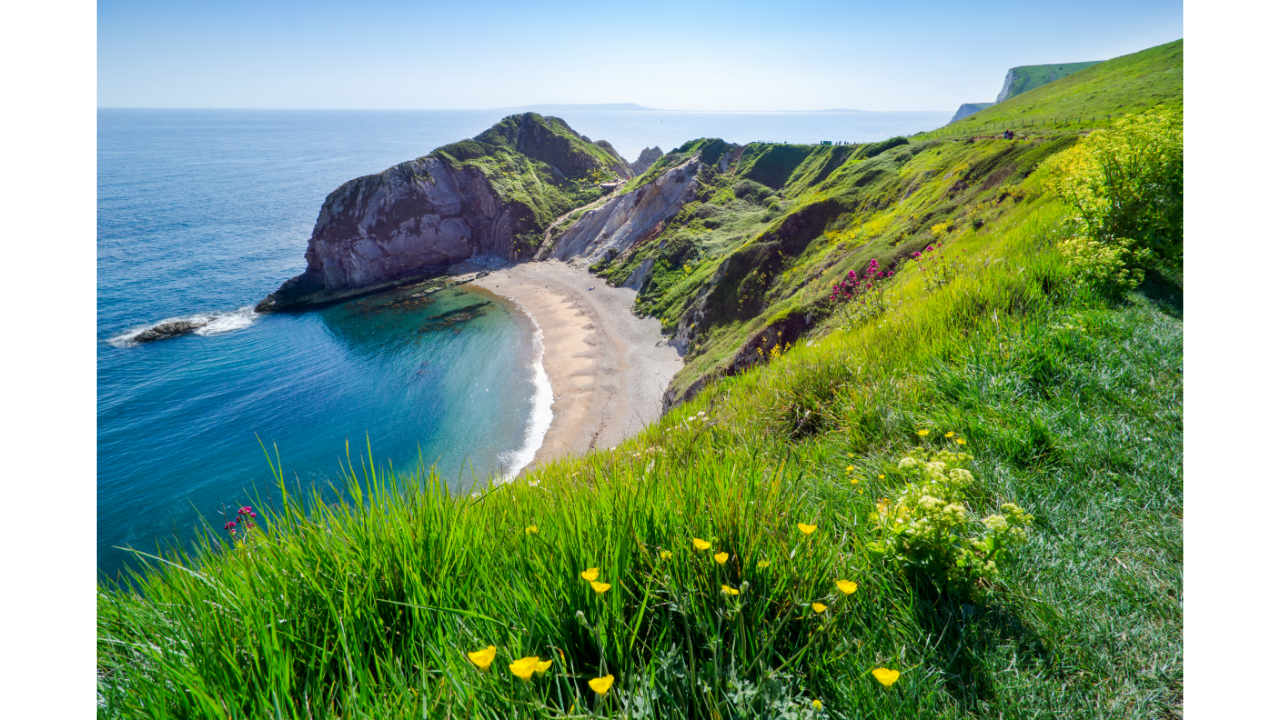
The Jurassic Coast Trail

The Jurassic Coast

The Jurassic Coast Trail: Unveiling the Wonders of England’s Prehistoric Past

Introduction

Welcome to the mesmerizing world of the Jurassic Coast Trail, a scenic route along the southern coast of England that takes you on a journey through millions of years of Earth’s history. Stretching for 95 miles (153 kilometres) from Exmouth in East Devon to Studland Bay in Dorset, this UNESCO World Heritage Site is a geological marvel, showcasing an extraordinary collection of fossils and stunning coastal landscapes. In this comprehensive guide, we’ll delve into the wonders of the Jurassic Coast Trail, uncovering its geological significance, exploring its captivating landmarks, and providing you with all the information you need to embark on your own adventure along this ancient path.

Understanding the Geological Significance

The Jurassic Period: A Window into the Past

The Jurassic Coast Trail derives its name from the Jurassic Period, a geological epoch that occurred approximately 201 to 145 million years ago. This period was marked by the dominance of reptiles, the rise of dinosaurs, and the evolution of diverse marine life. As you traverse the trail, you’ll have the incredible opportunity to witness the remnants of this ancient world embedded in the cliffs and shores, providing a unique window into prehistoric life.

The Gateway to Earth’s Secrets

The Jurassic Coast Trail is renowned for its remarkable geological formations, showcasing 185 million years of Earth’s history. From towering cliffs to hidden coves, the exposed layers of rock tell a captivating story of Earth’s ancient past. Each step along the trail unveils secrets and fossils from different geological periods, allowing you to walk in the footsteps of dinosaurs and discover the remnants of extinct creatures that once roamed these lands.

Exploring the Captivating Landmarks

Durdle Door: Nature’s Sculpture

One of the most iconic landmarks along the Jurassic Coast Trail is Durdle Door, a natural limestone arch that has become an emblem of this awe-inspiring route. The arch stands tall against the crashing waves of the English Channel, showcasing the power and beauty of nature’s artistic prowess. Take a moment to marvel at this geological masterpiece and capture unforgettable photographs that encapsulate the spirit of the Jurassic Coast Trail.

Durdle Door is a mesmerizing sight that leaves visitors in awe of its sheer magnificence. Formed over millions of years through erosion, this stunning limestone arch is a testament to the geological history of the Jurassic Coast. As you stand before it, you can’t help but feel a sense of wonder at the forces of nature that have sculpted such a remarkable formation.

The arch itself frames the sea beyond, creating a breath-taking vista that attracts photographers and nature enthusiasts from around the world. Whether you’re an avid photographer or simply someone who appreciates the beauty of nature, Durdle Door offers a perfect backdrop for capturing stunning images. The interplay of light, water, and rock creates an ever-changing canvas of colors and textures, providing endless opportunities for creative exploration.

When visiting Durdle Door, take your time to explore the surrounding area. The beach adjacent to the arch invites you to walk along its golden sands, listen to the rhythmic crashing of waves, and soak in the coastal ambiance. You can also venture on a hike along the Jurassic Coast Trail, which stretches for 95 miles and showcases a diverse range of geological wonders.

As you traverse the trail, be sure to keep an eye out for other natural marvels, such as the towering cliffs of Old Harry Rocks, the dramatic sea stacks at Ladram Bay, and the fossil-rich cliffs of Lyme Regis. Each step along the Jurassic Coast Trail reveals a new facet of this UNESCO World Heritage Site, leaving you with a profound appreciation for the Earth’s ancient history.

Before you leave Durdle Door, take a moment to reflect on the significance of this natural wonder. The arch stands as a reminder of the immense power and beauty of our planet, a symbol of the enduring forces that shape the world we inhabit. It serves as a humbling testament to the eons of time and the ever-changing nature of our environment.

So, when you embark on your journey along the Jurassic Coast Trail, be sure to include Durdle Door as a must-visit destination. Immerse yourself in its grandeur, capture its splendour through your lens, and let it leave an indelible mark on your memory. Experience the magic of nature’s artistic prowess and let Durdle Door be your gateway to the wonders of the Jurassic Coast.

Old Harry Rocks: A Coastal Wonder

Situated at the eastern end of the Jurassic Coast Trail, Old Harry Rocks are a series of chalk formations that stand proudly amidst the sparkling waters of the English Channel. These towering cliffs, adorned with arches and stacks, have been sculpted by centuries of erosion, creating a dramatic and picturesque spectacle. Gaze upon the magnificent views, breathe in the fresh sea air, and appreciate the timeless beauty of this natural wonder.

As you approach Old Harry Rocks, you’ll be greeted by a breath-taking panorama that stretches as far as the eye can see. The chalk cliffs rise majestically from the sea, their brilliant white colour contrasting against the azure waters. The unique formations, named after a legendary pirate, consist of a collection of chalk stacks, arches, and stumps that have been shaped over thousands of years by the relentless forces of wind and waves.

Standing on the clifftops, you’ll feel a sense of awe as you take in the sweeping views of the Jurassic Coastline. The rugged coastline stretches into the distance, its undulating cliffs and hidden coves creating a mesmerizing tapestry of nature’s artistry. On clear days, you can even catch a glimpse of the Isle of Wight on the horizon, adding an extra touch of magic to the scenery.

Old Harry Rocks provide the perfect vantage point for observing the dynamic nature of the coast. The cliffs continue to evolve over time, with ongoing erosion gradually shaping and reshaping the landscape. As you witness the raw power of the crashing waves against the chalk cliffs, you gain a deeper appreciation for the constant interplay between land and sea.

Exploring Old Harry Rocks is not only a visual delight but also a sensory experience. The salty sea breeze brushes against your skin, carrying with it the invigorating scent of the ocean. Seabirds soar overhead, their cries echoing in the air as they navigate the cliffs. It’s a place where you can truly immerse yourself in nature’s embrace and find solace in its unspoiled beauty.

For those seeking adventure, there are various activities to indulge in around Old Harry Rocks. Take a boat tour and view the cliffs from the water, allowing for a different perspective of their grandeur. Or embark on a coastal hike, following the trails that wind along the clifftops, revealing hidden coves, wildflowers, and breath-taking vistas at every turn.

Old Harry Rocks also hold a rich historical and geological significance. The chalk cliffs are remnants of an ancient seabed that formed over millions of years, and they provide valuable insights into the region’s geological past. Additionally, the area is steeped in folklore and legends, adding an air of mystery and intrigue to the landscape.

As you bid farewell to Old Harry Rocks, be sure to capture the essence of this natural wonder through photographs that encapsulate its grandeur. Let the memories of the towering cliffs and the crashing waves linger, reminding you of the beauty that exists in the world. Old Harry Rocks is a testament to the enduring power of nature, a symbol of the ever-changing and awe-inspiring landscapes that grace our planet.

Lyme Regis: Fossil Hunter’s Paradise

Lyme Regis, a charming coastal town nestled along the Jurassic Coast Trail, is a paradise for fossil enthusiasts. Known as the “Pearl of Dorset,” Lyme Regis offers a wealth of opportunities to discover fossils and immerse yourself in the region’s rich geological heritage. Join guided fossil walks, explore the fossil-rich beaches, and uncover ancient treasures that have been preserved in the cliffs for millions of years.

Lyme Regis holds a special place in the world of palaeontology due to its abundance of fossilized remains. The town’s location on the Jurassic Coast, a UNESCO World Heritage Site, means that it boasts a geological record spanning 185 million years. This stretch of coastline holds valuable insights into Earth’s history, making it a dream destination for fossil hunters and amateur geologists alike.

One of the best ways to begin your fossil exploration in Lyme Regis is by joining a guided fossil walk. Led by knowledgeable experts, these walks provide valuable insights into the area’s geological formations and help you identify and understand the fossils you come across. You’ll learn about the different types of fossils, their significance, and the geological processes that have shaped this unique landscape.

Lyme Regis is home to several fossil-rich beaches that have yielded remarkable discoveries over the years. The Charmouth and Monmouth Beaches are particularly renowned for their abundant fossil deposits. As you stroll along the shoreline, keep an eye out for fossilized ammonites, belemnites, and even the occasional marine reptile. It’s an exhilarating experience to hold a piece of ancient history in your hands and imagine the world as it existed millions of years ago.

The Lyme Regis Museum is another must-visit destination for fossil enthusiasts. This small but captivating museum showcases an impressive collection of local fossils and provides a deeper understanding of the geological significance of the area. You can marvel at beautifully preserved specimens, learn about famous fossil discoveries, and gain insights into the lives of the creatures that once inhabited this ancient world.

Beyond its fossil treasures, Lyme Regis has much to offer visitors. The town itself exudes charm with its narrow winding streets, historic buildings, and quaint shops. Stroll along the picturesque seafront, take in the panoramic views of the coast, and indulge in delicious seafood at one of the local restaurants. Lyme Regis is a place where you can unwind, soak up the coastal atmosphere, and let the wonders of nature captivate your senses.

Whether you’re a seasoned fossil hunter or a curious traveler, Lyme Regis promises an unforgettable experience. It’s a place where you can walk in the footsteps of ancient creatures, connect with Earth’s history, and appreciate the marvels of nature’s preservation. So, pack your hammer, brush, and a keen eye for detail, and get ready to embark on a fossil-hunting adventure in Lyme Regis, where the secrets of the past await your discovery.

Embarking on Your Jurassic Coast Adventure

Planning Your Itinerary

When embarking on the Jurassic Coast Trail, it’s essential to plan your itinerary carefully to make the most of your experience. Consider the duration of your journey, the points of interest you wish to explore, and the level of difficulty that suits your fitness level. The trail can be completed in sections, allowing you to tailor your adventure to your preferences.

Safety and Preparedness

While the Jurassic Coast Trail offers incredible natural beauty, it’s crucial to prioritize your safety and be prepared for the challenges of the terrain. Wear appropriate footwear, carry essential supplies such as water and snacks, and familiarize yourself with the trail’s conditions and potential hazards. It’s also advisable to check the tide times if you plan to explore the coastline, as certain sections may be inaccessible during high tide.

Exploring the Jurassic Coast Trail is a rewarding adventure, but it’s important to take precautions to ensure a safe and enjoyable experience. Here are some essential tips to keep in mind before you embark on your journey:

  1. Wear appropriate footwear: The trail consists of varying terrain, including rocky paths, sandy beaches, and slippery slopes. Wearing sturdy, comfortable footwear with good traction will help prevent slips, trips, and injuries. Hiking boots or trail shoes are recommended to provide adequate support and grip.
  2. Carry essential supplies: As you embark on your hike, be sure to pack essential supplies such as plenty of water, energy-boosting snacks, sunscreen, a hat, and a lightweight rain jacket. These items will keep you hydrated, protected from the sun, and prepared for any unexpected weather changes.
  3. Familiarize yourself with trail conditions: Before setting off, gather information about the trail’s conditions and any potential hazards you may encounter. Some sections of the trail may be steep, narrow, or prone to erosion. Stay alert, follow any posted signs or warnings, and exercise caution while navigating these areas.
  4. Check tide times: If you plan to explore the coastline and its stunning beaches, it’s crucial to be aware of the tide times. Certain sections of the trail may be accessible only during low tide, while others can become dangerous or impassable during high tide. Consult local tide charts or use reliable tide apps to plan your coastal exploration accordingly.
  5. Be aware of weather conditions: The weather along the Jurassic Coast can be unpredictable, so it’s essential to stay updated on the forecast before your hike. Dress in layers to accommodate changing temperatures and be prepared for rain or strong coastal winds. If severe weather is forecasted, consider rescheduling your hike for another day.
  6. Inform others of your plans: Before you set off, inform someone reliable about your hiking plans, including your intended route and estimated time of return. This ensures that someone is aware of your whereabouts and can take action if needed.
  7. Stay on designated paths: To preserve the natural beauty of the trail and protect fragile ecosystems, it’s important to stick to designated paths and avoid venturing off into restricted areas. Respecting the environment helps maintain the trail’s integrity and ensures its availability for future generations to enjoy.

Remember, your safety is paramount while exploring the Jurassic Coast Trail. By taking the necessary precautions and being prepared, you can fully immerse yourself in the trail’s wonders while enjoying a safe and memorable experience. So lace up your boots, pack your supplies, and embark on an adventure that combines nature’s magnificence with responsible exploration.

Accommodation Options

Along the Jurassic Coast Trail, you’ll find a range of accommodation options to suit various budgets and preferences. From cosy seaside cottages and bed and breakfasts to luxury hotels and campsites, there’s something for every type of traveller. Ensure to book your accommodation in advance, especially during peak seasons, to secure your desired choice.

As you embark on your adventure along the Jurassic Coast Trail, having a comfortable place to rest and rejuvenate is essential. The towns and villages dotted along the trail offer a wide selection of accommodation options, catering to different tastes and budgets.

For those seeking a quaint and homely experience, seaside cottages and bed and breakfasts are a popular choice. These charming accommodations provide a cosy atmosphere and often come with stunning coastal views. Wake up to the sound of crashing waves, enjoy a hearty breakfast prepared with local ingredients, and immerse yourself in the coastal charm of the surrounding area.

If you prefer a touch of luxury during your journey, there are several upscale hotels and resorts available. These establishments offer premium amenities, stylish décor, and impeccable service. Pamper yourself with spa treatments, savour gourmet meals at on-site restaurants, and unwind in comfortable rooms that provide a perfect retreat after a day of exploration.

For travellers on a budget or those who prefer a more adventurous experience, campsites along the trail offer an opportunity to immerse yourself in nature. Set up your tent or park your camper van in designated camping areas and enjoy the simplicity of outdoor living. Wake up to the fresh morning air, cook meals over a campfire, and bond with fellow travelers sharing the camping experience.

Regardless of your preferred accommodation type, it’s important to plan and book in advance, especially if you are traveling during peak seasons. The Jurassic Coast Trail attracts visitors from around the world, and popular accommodations tend to fill up quickly. Booking ahead ensures that you secure your desired choice and eliminates unnecessary stress during your journey.

When selecting your accommodation, consider its proximity to the trail and the attractions you wish to visit. Choose a location that allows convenient access to the trail’s starting points or provides easy transportation options. Additionally, take note of any specific amenities or services you may require, such as Wi-Fi, parking, or pet-friendly options, and ensure that your chosen accommodation meets your needs.

By finding the perfect accommodation along the Jurassic Coast Trail, you can create a comfortable and enjoyable base for your exploration of this stunning coastline. After a day of hiking, fossil hunting, or simply admiring the natural beauty, return to your chosen haven to relax, recharge, and prepare for the next leg of your adventure. So, plan ahead, book early, and make your stay along the Jurassic Coast Trail as memorable and comfortable as possible.

When is the best time to visit the Jurassic Coast Trail?

The best time to visit the Jurassic Coast Trail largely depends on your preferences and what you hope to experience during your journey. Each season offers its own unique charm and considerations. Here’s a breakdown of the different times of year to help you plan your visit:

  1. Spring (March to May): Spring brings new life to the Jurassic Coast Trail. The coastal cliffs burst with vibrant wildflowers, and the surrounding countryside is awash with fresh greenery. The weather is generally mild, although rain showers are not uncommon. This time of year is ideal for nature enthusiasts who want to witness the awakening of flora and fauna along the trail.
  2. Summer (June to August): Summer is the peak tourist season along the Jurassic Coast Trail. The weather is usually warm, and the days are long, allowing for extended exploration. It’s a great time to enjoy the coastal beaches, go fossil hunting, and participate in various outdoor activities. However, be prepared for larger crowds, especially in popular tourist spots, and consider booking accommodations and attractions in advance.
  3. Autumn (September to November): Autumn brings a stunning transformation to the Jurassic Coast Trail. The landscape is painted with hues of red, orange, and gold as the foliage begins to change. The weather is generally mild, but it can become more unpredictable as the season progresses. Autumn offers a quieter and more serene atmosphere, making it an excellent time for peaceful walks, photography, and enjoying the dramatic coastal scenery.
  4. Winter (December to February): Winter is the least crowded time along the trail, offering a peaceful and secluded experience for those willing to brave the colder temperatures. The landscape takes on a wild and rugged beauty, and you may have the trails and viewpoints mostly to yourself. However, be prepared for shorter daylight hours and the possibility of stormy weather. Some attractions and facilities may have reduced hours or be closed during the winter season.

Ultimately, the best time to visit the Jurassic Coast Trail depends on your personal preferences. If you prefer a bustling atmosphere and warmer weather, summer might be your ideal choice. For a quieter experience with colorful landscapes, autumn can be a wonderful option. Spring showcases the beauty of nature’s awakening, while winter offers a unique and tranquil ambiance.

Regardless of the season, it’s always a good idea to check the weather forecast before your visit and plan accordingly. Additionally, consider any specific activities or events you wish to participate in, as they may have specific seasonal availability.

No matter when you choose to visit, the Jurassic Coast Trail promises a captivating experience filled with geological wonders, coastal beauty, and a journey through millions of years of history. So pick a time that suits your preferences, pack accordingly, and get ready to create unforgettable memories along this extraordinary trail.

FAQs (Frequently Asked Questions)

1. How long does it take to complete the Jurassic Coast Trail?

The duration of the Jurassic Coast Trail hike depends on several factors, including your fitness level, the distance you plan to cover each day, and the points of interest you wish to explore. On average, it takes around 5 to 7 days to complete the entire trail.

2. Are dogs allowed on the Jurassic Coast Trail?

Yes, dogs are allowed on the Jurassic Coast Trail. However, it’s important to keep them on a leash and clean up after them to preserve the natural environment and ensure the safety of other hikers.

3. Can I collect fossils along the trail?

While fossil collecting is allowed on certain sections of the Jurassic Coast Trail, it’s essential to follow ethical guidelines and not remove fossils of scientific importance. Always seek permission from landowners and adhere to any restrictions in place to protect the geological heritage of the area.

4. Are there guided tours available for the Jurassic Coast Trail?

Yes, there are guided tours available for the Jurassic Coast Trail. Joining a guided tour can enhance your experience by providing expert knowledge, insider tips, and the opportunity to connect with fellow adventurers.

5. What is the best time of year to hike the Jurassic Coast Trail?

The best time to hike the Jurassic Coast Trail is during the spring and summer months (April to September) when the weather is generally mild and the days are longer. However, it’s advisable to check the weather forecast and plan accordingly, as coastal conditions can change rapidly.

6. Are there facilities such as toilets and rest areas along the trail?

Yes, there are facilities such as toilets and rest areas located at various points along the Jurassic Coast Trail. However, it’s always a good idea to carry essential supplies with you, including water, snacks, and a map of the trail.

Conclusion

Embarking on the Jurassic Coast Trail is an extraordinary opportunity to immerse yourself in the wonders of England’s prehistoric past. From its geological significance to its captivating landmarks, this trail offers a truly unique and awe-inspiring experience for nature enthusiasts, history buffs, and adventure seekers alike. So, lace up your hiking boots, grab your camera, and set off on a journey that will transport you back in time to a world of ancient creatures and breath-taking coastal beauty.

The trail is a testament to the geological significance of the region. Every step you take reveals layers of ancient sedimentary rock, showcasing millions of years of deposition and the remarkable forces of nature that have shaped this coast. You’ll encounter towering cliffs, revealing their intricate geological formations like pages of an open book. From the distinctive white chalk of the South Dorset Downs to the vibrant red cliffs of East Devon, each segment of the trail unveils a unique chapter in Earth’s story.

But it’s not just the geological wonders that make the Jurassic Coast Trail a mesmerizing experience. Along the way, you’ll encounter iconic landmarks that have become symbols of this ancient world. Durdle Door, with its majestic limestone arch, stands as a testament to the power of erosion and the artistic prowess of nature. Old Harry Rocks, with their dramatic chalk formations, invite you to marvel at the ever-changing coastal landscape. These landmarks and more are like portals to the past, offering glimpses into a time when dinosaurs roamed and the land was vastly different.

As you traverse the trail, keep your senses attuned to the rich biodiversity that thrives in this coastal habitat. The Jurassic Coast is home to a diverse array of plant and animal species, some of which are unique to this region. From rare orchids and wildflowers adorning the cliffs to seabird colonies nesting on the rocky ledges, the natural world presents itself in vibrant splendor.

For those seeking adventure, the Jurassic Coast Trail offers ample opportunities to indulge in outdoor activities. Whether it’s hiking along the clifftops, fossil hunting on the beaches, or engaging in water sports along the coast, there’s something for every outdoor enthusiast. The ever-changing landscape and the constant interplay between land and sea provide a dynamic backdrop for unforgettable adventures.

As you navigate the trail, take your time to absorb the atmosphere, breathe in the salty sea air, and appreciate the beauty that surrounds you. Capture the stunning vistas through your camera lens, but also take moments to simply be present and let the ancient landscape captivate your imagination.

The Jurassic Coast Trail is not just a physical journey; it’s a journey through time itself. It’s an opportunity to connect with the Earth’s past, to witness the remnants of ancient ecosystems, and to gain a deeper appreciation for the forces that have shaped our planet. So, embrace the spirit of exploration, let your curiosity guide you, and set off on an adventure that will leave you in awe of the extraordinary wonders of the Jurassic Coast.

Posted on Leave a comment

Exploring the Beauty of The Peak District

Picturesque scene of the Peak District

Exploring the Beauty of The Peak District: A Guide to Nature’s Masterpiece

Introduction

Welcome to The Peak District, a mesmerizing destination that showcases the stunning beauty of nature. Nestled in the heart of England, The Peak District is a haven for outdoor enthusiasts, nature lovers, and adventure seekers. With its rolling hills, picturesque valleys, charming villages, and diverse wildlife, this national park offers a captivating experience that will leave you in awe. In this comprehensive guide, we will delve into the wonders of The Peak District, from its breath-taking landscapes to its rich history and cultural heritage.

The Peak District: An Overview

The Peak District, located in central England, is the oldest national park in the country. It spans across five counties, including Derbyshire, Cheshire, Staffordshire, Yorkshire, and Greater Manchester. Covering an area of over 1,400 square kilometres, this expansive park offers a diverse range of natural wonders, including limestone valleys, heather moorlands, rugged plateaus, and enchanting forests. The region’s geological features, shaped by millions of years of erosion and glaciation, create a unique and awe-inspiring landscape.

The Birth of The Peak District

The creation of The Peak District as a national park dates back to 1951, with the aim of preserving its exceptional natural beauty and cultural heritage. The area’s rich history, spanning from ancient settlements to industrial development, adds depth and character to the park. Today, The Peak District attracts millions of visitors each year, drawn to its tranquil surroundings, picturesque vistas, and abundant recreational opportunities.

Discovering the Peak District:

The Peak District spans over 555 square miles and is divided into two distinct regions, the Dark Peak and the White Peak. The Dark Peak is characterized by its rugged moorland, gritstone edges, and sweeping vistas, while the White Peak boasts limestone dales, lush valleys, and quaint villages. Both regions offer their unique charm and a plethora of outdoor activities.

Hiking is one of the best ways to explore the Peak District, with a network of well-maintained trails crisscrossing the park. The Pennine Way, Britain’s oldest national trail, passes through the Peak District, offering hikers a chance to experience its beauty on a long-distance trek. From the iconic Kinder Scout to the enchanting Dovedale, there are trails suitable for all levels of experience.

Must-Visit Attractions:

  1. Chatsworth House: Explore the grandeur of Chatsworth House, one of England’s finest stately homes. Wander through its lavish gardens, admire exquisite artworks, and delve into the rich history of this remarkable estate.
  2. Mam Tor: Venture to Mam Tor, also known as the “Shivering Mountain,” and soak in panoramic views of the surrounding countryside. The summit provides a stunning vantage point to witness the beauty of the Peak District.
  3. Bakewell: Visit the charming market town of Bakewell, famous for its delicious Bakewell pudding. Stroll along the River Wye, explore quaint shops, and immerse yourself in the town’s delightful atmosphere.

Best Hiking Boots

[product_table id=”283150″]

Exploring the Landscapes

A Tapestry of Hills and Valleys

The Peak District is renowned for its rolling hills and deep valleys, which offer a myriad of hiking trails and breath-taking viewpoints. From the iconic Kinder Scout to the striking Mam Tor, the region’s peaks provide stunning panoramic views of the surrounding countryside. Lace up your hiking boots and embark on an adventure to explore these natural wonders. Whether you’re an experienced hiker or a novice explorer, there are trails to suit every level of fitness and ability.

The Beauty of Limestone

Limestone is a dominant feature of The Peak District’s geology, shaping its unique landscape and creating fascinating formations. The park boasts a network of underground caverns and caves, such as the famous Poole’s Cavern, where visitors can marvel at the intricate stalactites and stalagmites. The limestone also gives rise to picturesque dales, including Dovedale and Monsal Dale, where sparkling rivers meander through lush meadows, creating postcard-perfect scenes.

One of the defining features of the Peak District is its stunning limestone valleys. These scenic wonders, carved out by rivers and streams over millions of years, showcase the region’s geological history. Explore the deep gorges of Dovedale, where the River Dove meanders through lush meadows, limestone cliffs, and iconic stepping stones. Marvel at the towering limestone crags of Stanage Edge, a paradise for rock climbers and a location that has featured in films like “Pride and Prejudice.” The limestone valleys of the Peak District offer a remarkable backdrop for outdoor adventures and provide a glimpse into the region’s geological past.

Heather Moorlands

Blanketing the high plateaus and rolling hills of the Peak District are the captivating heather moorlands. In late summer, these vast expanses transform into a sea of purple hues, creating a picturesque and enchanting landscape. Lose yourself in the tranquillity of the moors as you hike through trails that wind their way through this magical scenery. Witness the vibrant colours of the heather, listen to the calls of native birds, and feel the sense of peace that comes with being surrounded by nature at its finest.

Rugged Plateaus

The Peak District is renowned for its rugged plateaus, which offer panoramic views and a sense of untamed wilderness. Kinder Scout, the highest point in the park, provides an exhilarating experience for hikers and climbers. Ascend to its summit and be rewarded with breath-taking vistas of sweeping valleys, dramatic rock formations, and distant peaks. The challenging terrain and raw beauty of the rugged plateaus make them a paradise for outdoor enthusiasts seeking adventure and solitude.

Enchanting Forests

Nestled within the valleys and hills of the Peak District are enchanting forests that add to the region’s allure. Lose yourself in the ancient woodlands of Padley Gorge, where moss-covered rocks, babbling brooks, and towering trees create a fairytale-like setting. Explore the dense canopy of the Dark Peak’s coniferous forests, where sunlight filters through the branches, casting a magical glow on the forest floor. The forests of the Peak District provide a sanctuary for wildlife, a haven for peaceful walks, and an opportunity to connect with nature in its purest form.

A Journey Through Time

Rich Cultural Heritage

The Peak District is not only a haven for nature lovers but also a place steeped in history and culture. Discover the region’s rich past as you visit charming villages and historic landmarks. Explore the medieval splendor of Haddon Hall, an exquisite Tudor manor house that has stood for over 900 years. Wander through the cobbled streets of Bakewell, famous for its delicious Bakewell pudding and its charming market town atmosphere. Immerse yourself in the industrial heritage of Cromford Mills, a UNESCO World Heritage Site and the birthplace of the modern factory system. The Peak District’s cultural heritage is as diverse as its landscapes, providing a captivating journey through time.

Traditional Farming Communities

The Peak District is home to traditional farming communities that have shaped the landscape and maintained its rural character for generations. Experience the warm hospitality and rural charm as you explore the picturesque villages of Eyam, Edale, and Castleton. Engage with the locals, learn about their way of life, and support the local economy by sampling traditional produce from farm shops and markets. The farming traditions of the Peak District are deeply intertwined with the land and add to the region’s authenticity and character.

Literary Connections

The natural beauty and tranquil atmosphere of the Peak District have long inspired writers and poets. Explore the landscapes that influenced the works of literary figures such as Charlotte Brontë, Jane Austen, and D.H. Lawrence. Follow in their footsteps as you wander through the moors, visit the historic estates that provided settings for their novels, and immerse yourself in the literary heritage of the region. The Peak District’s literary connections offer a unique perspective on the landscapes and provide a deeper appreciation for their timeless beauty.

Wildlife and Biodiversity

The Peak District is a haven for wildlife, providing a sanctuary for numerous species to thrive. Its diverse habitats support a rich array of flora and fauna, making it a paradise for nature enthusiasts and photographers alike. Keep your eyes peeled for rare birds, such as the peregrine falcon and the elusive merlin, soaring through the skies. Explore the heather moorlands to catch a glimpse of the vibrant red grouse or venture into the woodlands to spot deer and other woodland creatures.

Cultural Heritage and Historic Sites

Ancient Origins

The Peak District is steeped in history, with evidence of human habitation dating back thousands of years. Ancient monuments and archaeological sites, including stone circles and burial mounds, offer a glimpse into the lives of our ancestors. Visit Arbor Low, often referred to as the “Stonehenge of the North,” and stand in awe of its Neolithic stone circle, which has captivated visitors for centuries.

Industrial Heritage

In addition to its ancient past, The Peak District played a significant role in the Industrial Revolution. The region’s rich mineral resources, including lead, coal, and limestone, fueled the growth of mining and quarrying industries. Today, remnants of this industrial heritage can be seen in the form of historical mills, canals, and railway viaducts. Explore the Derwent Valley Mills, a UNESCO World Heritage Site, to discover the birthplace of the factory system and learn about the impact of the Industrial Revolution.

Activities and Outdoor Adventures

Hiking and Walking

The Peak District offers an extensive network of trails, catering to walkers and hikers of all abilities. Whether you prefer a leisurely stroll through picturesque villages or a challenging trek across rugged terrain, there is a trail for you. Lace up your walking shoes and embark on the famous Pennine Way or opt for a more leisurely ramble along the Monsal Trail. With breathtaking scenery at every turn, each step will be a feast for the senses.

Cycling and Mountain Biking

The diverse landscapes of The Peak District provide an excellent playground for cyclists and mountain bikers. From exhilarating off-road trails to scenic country lanes, there are routes to suit all levels of skill and adventure. Pedal along the Tissington Trail, a former railway line transformed into a cycling path, or test your mettle on the challenging terrain of the Dark Peak. Whichever route you choose, be prepared for stunning vistas and an adrenaline-fueled journey.

Best Cycle Carriers

[product_table id=”287081″]

Rock Climbing and Caving

For adrenaline junkies seeking vertical adventures, The Peak District offers an abundance of rock climbing and caving opportunities. Put your climbing skills to the test on the gritstone edges of Stanage or challenge yourself in the limestone caves of Castleton. With its varied rock formations and accessible crags, the region attracts climbers from near and far, providing thrilling experiences against a backdrop of breath-taking scenery.

The Peak District in All Seasons

Spring: Blossoming Beauty

As the winter frost recedes, The Peak District awakens to a burst of vibrant colours and new life. Spring brings blooming wildflowers, lush greenery, and the joyous melodies of songbirds. Explore the picturesque villages adorned with blossoming cherry and apple trees, and witness the lambs frolicking in the meadows. With longer daylight hours and milder temperatures, it’s the perfect time to explore the trails and embrace the freshness of the season.

Summer: Sunny Adventures

Summer in The Peak District invites outdoor enthusiasts to bask in the warm sunshine and embark on exciting adventures. Enjoy picnics by tranquil rivers, paddle in crystal-clear streams, or take a refreshing dip in one of the many natural swimming spots. The longer days offer ample time to explore the region’s diverse landscapes and engage in a multitude of outdoor activities. Immerse yourself in nature’s embrace and create unforgettable summer memories.

Autumn: A Tapestry of Colours

As autumn arrives, The Peak District transforms into a mesmerizing canvas of fiery hues. The hills and valleys come alive with shades of red, orange, and gold as the leaves change colour. Take a leisurely stroll through ancient woodlands, breathe in the crisp autumn air, and capture the stunning beauty with your camera. Autumn is also a season of harvest, with local markets offering an abundance of fresh produce and traditional delights.

Winter: Serenity in Solitude

Winter casts a serene spell over The Peak District, enveloping the landscape in a quiet tranquillity. Frost-kissed fields, snow-dusted hills, and mist-shrouded valleys create a magical atmosphere. Put on your winter gear and embark on frosty walks, capturing the ethereal beauty of the winter wonderland. Warm up by the cozy firesides of traditional pubs, savour hearty meals, and indulge in the region’s famous Bakewell tart or stilton cheese.

FAQ’s about The Peak District

  1. What is the best time to visit The Peak District?The Peak District offers a unique experience throughout the year. Spring and summer are popular for outdoor activities and pleasant weather, while autumn showcases vibrant colors. Winter offers a serene and quieter atmosphere. Choose a time that aligns with your preferences and the activities you wish to engage in.
  2. Are dogs allowed in The Peak District?Yes, dogs are welcome in The Peak District. However, it’s essential to keep them on a leash, especially around wildlife and livestock, and clean up after them to preserve the natural environment.
  3. Can I camp in The Peak District?Camping is allowed in designated campsites and areas with the landowner’s permission. Ensure you follow the camping guidelines, leave no trace, and respect the surrounding nature and wildlife.
  4. Are there accessible trails and facilities for people with disabilities?The Peak District offers accessible trails and facilities to cater to the needs of people with disabilities. Many visitor centers, accommodations, and attractions have accessible options. It’s advisable to check in advance for specific accessibility information.
  5. What are some must-visit attractions in The Peak District?Some must-visit attractions in The Peak District include Chatsworth House, Castleton Caves, Bakewell Village, Mam Tor, and the Tissington Trail. These iconic landmarks showcase the region’s history, culture, and natural beauty.
  6. Can I engage in water activities in The Peak District?Yes, The Peak District offers opportunities for water activities such as kayaking, paddleboarding, and wild swimming in designated areas. However, it’s essential to follow safety guidelines and be aware of any restrictions or changing conditions.
  7. Are there guided tours available in The Peak District?

 Yes, there are various guided tours available in the Peak District, catering to different interests and preferences. Join a guided walking tour to discover hidden gems and learn about the park’s history and ecology. Take a photography tour to capture the region’s stunning landscapes under the guidance of an experienced photographer. You can also find specialized tours focusing on wildlife, geology, and cultural heritage. Guided tours provide valuable insights and enhance the overall experience of exploring the Peak District.

8. Can I visit The Peak District with children?

Absolutely! The Peak District offers plenty of family-friendly activities and attractions. Take your little ones on a nature walk, visit farm parks to interact with animals, or explore the region’s fascinating caves. Many visitor centres in the park provide educational exhibits and interactive displays that engage children of all ages. The Peak District is a wonderful destination for creating lasting family memories.

Are there accommodation options available in The Peak District?

When planning a visit to the stunning Peak District, one of the key considerations is finding the perfect accommodation that suits your needs and preferences. Whether you prefer the cosy charm of a bed and breakfast, the rustic ambiance of a country inn, the freedom of a self-catering cottage, or the indulgence of a luxury hotel, the Peak District offers a plethora of options to cater to every taste and budget. Let’s explore the diverse range of accommodation choices available, ensuring that your stay in this breath-taking region is nothing short of extraordinary.

Bed and Breakfasts: A Cosy Retreat

For a truly authentic and intimate experience, consider staying in one of the many delightful bed and breakfast establishments scattered throughout the Peak District. These charming accommodations offer comfortable rooms, warm hospitality, and a homemade breakfast to start your day on a delightful note. Wake up to the aroma of freshly brewed coffee, indulge in a hearty meal prepared with local ingredients, and receive insider tips from your friendly hosts who are passionate about sharing their love for the area. Bed and breakfasts provide a personal touch, creating a sense of home away from home.

Country Inns: Embrace Rustic Charm

Immerse yourself in the rustic charm of the Peak District by choosing to stay in one of its cosy country inns. These traditional establishments exude character and offer a blend of old-world charm and modern comforts. Relax in comfortable rooms adorned with traditional furnishings, unwind by crackling fireplaces, and savour delicious meals made from locally sourced produce in the inn’s restaurant or pub. Many country inns are nestled in picturesque villages, providing a serene ambiance and easy access to nearby attractions. Experience the true essence of the Peak District as you retreat to a country inn after a day of exploration.

Self-Catering Cottages: Freedom and Flexibility

For those seeking the freedom and flexibility to create their own schedule, self-catering cottages are an excellent choice. These private accommodations range from quaint cottages to luxurious country retreats and are equipped with everything you need for a comfortable stay. Enjoy the convenience of a fully equipped kitchen, allowing you to prepare meals at your leisure using the finest local ingredients. Unwind in your own private garden, soak in the stunning views, and relish the privacy and independence that comes with a self-catering cottage. Whether you’re traveling with family or friends, these cottages offer the perfect home base for your Peak District adventures.

Luxury Hotels: Indulgence Amidst Nature’s Splendour

If you’re looking to elevate your Peak District experience to the epitome of luxury, the region boasts a selection of exquisite hotels that cater to the most discerning guests. Nestled amidst stunning landscapes, these luxury accommodations offer opulent rooms, world-class amenities, and impeccable service. Pamper yourself with spa treatments, savour gourmet dining experiences, and bask in the lap of luxury as you take in the breath-taking views that surround you. Whether it’s a historic manor house or a contemporary boutique hotel, the luxury hotels of the Peak District provide an unparalleled experience of comfort and indulgence.

Booking Tips and Recommendations

With the popularity of the Peak District as a tourist destination, it’s advisable to book your accommodation in advance, especially during peak seasons. This ensures that you secure your desired choice and eliminates any last-minute stress. Consider the location of your accommodation in relation to the attractions and activities you plan to explore, as this can save you valuable travel time. Additionally, research the amenities and services offered by each accommodation option to ensure they align with your preferences and requirements. By taking these factors into account, you can make an informed decision and ensure a memorable and comfortable stay in the Peak District.

Whether you prefer the quaint charm of a bed and breakfast, the rustic ambiance of a country inn, the freedom of a self-catering cottage, or the luxury of a high-end hotel, the Peak District offers a wide range of accommodation options to suit every taste and budget. Each choice provides a unique experience, allowing you to immerse yourself in the region’s beauty and create lasting memories. So, plan your stay in the Peak District wisely, and prepare to be enchanted by the comfort and hospitality that await you in this captivating destination.

Conclusion

The Peak District is a destination that captivates the hearts and minds of all who visit. Its breath-taking landscapes, rich history, and abundance of outdoor activities make it a haven for nature enthusiasts and adventure seekers. Whether you’re exploring the rolling hills, delving into ancient caves, or immersing yourself in the local culture, The Peak District offers an unforgettable experience. So, pack your bags, lace up your boots, and embark on a journey to discover the beauty and wonders of The Peak District.

Posted on Leave a comment

The West Highland Way

View of a lake and hills with blue cloudy sky on The West Highland Way

The West Highland Way: Scotland’s Iconic Long-Distance Trail

The West Highland Way is a world-renowned long-distance trail that stretches approximately 96 miles (154 kilometres) through the stunning Scottish Highlands. It offers hikers a remarkable journey through diverse landscapes, from lowland moors to towering mountains, picturesque lochs, and ancient woodlands. This article will guide you through the highlights of the West Highland Way, provide essential information for planning your adventure, and showcase the natural beauty and cultural significance of this iconic trail.

1. Introduction: Discovering the West Highland Way

The West Highland Way holds a significant place in the heart of Scotland as it proudly bears the distinction of being the country’s first official long-distance trail. Established in 1980, this iconic trail has become a symbol of Scotland’s deep-rooted love for the outdoors and its commitment to preserving its natural treasures. Spanning approximately 96 miles (154 kilometres), The West Highland Way takes intrepid adventurers on an unforgettable journey through some of the most breath-taking landscapes in the world.

As you embark on this epic trail, you’ll find yourself immersed in Scotland’s stunning natural beauty from the very first step. The trail winds its way through a diverse range of terrains, including lush moorlands, serene lochs, ancient forests, and towering mountains. Each section of the trail offers a unique experience, with ever-changing vistas that will leave you awe-struck at every turn.

But The West Highland Way is not just about the magnificent scenery. It’s a trail that weaves together the fabric of Scotland’s rich history and vibrant culture. Along the way, you’ll encounter ancient ruins that whisper tales of bygone eras, such as the hauntingly beautiful remains of old castles and fortresses. These remnants serve as a reminder of Scotland’s storied past and add an air of mystique to your journey.

One of the highlights of The West Highland Way is undoubtedly the warm and welcoming spirit of the Scottish people. As you traverse the trail, you’ll have the opportunity to interact with locals who embody the legendary Scottish hospitality. From friendly greetings to fascinating conversations, you’ll feel a genuine connection with the people you meet along the way, creating memories that will last a lifetime.

The West Highland Way has earned its reputation as a trail that appeals to hikers from all walks of life. Whether you’re an experienced trekker seeking a challenge or a novice hiker looking to embark on your first long-distance adventure, this trail caters to all levels of fitness and experience. It offers a sense of accomplishment and self-discovery as you push your limits and overcome challenges, both physical and mental.

Throughout your journey on The West Highland Way, you’ll encounter an abundance of opportunities to indulge in the flavours of Scotland. From hearty traditional dishes to world-renowned whiskies, the trail presents an array of culinary delights that will tantalize your taste buds. Don’t miss the chance to savour haggis, fish and chips, and a wee dram of Scotch whisky to truly immerse yourself in the essence of Scottish cuisine.

The West Highland Way is not just a trail; it’s a transformative experience that will leave an indelible mark on your soul. It’s a chance to disconnect from the hustle and bustle of everyday life and reconnect with nature’s wonders. It’s an opportunity to challenge yourself physically and mentally, discovering strengths you never knew you possessed. And most importantly, it’s a gateway to the untamed beauty and warm-hearted spirit of Scotland.

So, lace up your hiking boots, grab your backpack, and embark on this extraordinary journey along The West Highland Way. Prepare to be captivated by the rugged landscapes, enchanted by ancient tales, and embraced by the genuine warmth of the Scottish people. The West Highland Way awaits, ready to unveil its secrets and ignite your sense of adventure like never before.

2. Route Overview: From Milngavie to Fort William

The West Highland Way sets off on its epic journey from the charming town of Milngavie, situated on the outskirts of Glasgow. This bustling urban center serves as the gateway to the Scottish Highlands, where adventure and natural beauty await. From the very beginning, the trail beckons you with its promise of captivating landscapes and unforgettable experiences.

As you set foot on the trail, you’ll find yourself immersed in a world of wonder. The initial stages of the West Highland Way take you through lowland paths, gently easing you into the rhythm of the trail. The scenery is a delightful blend of meandering rivers, lush green fields, and quaint villages, offering a picturesque introduction to the journey that lies ahead.

But as you progress, the trail gradually reveals its true character, leading you deeper into the heart of the Scottish Highlands. The landscape transforms, and the foothills give way to the awe-inspiring Highland mountains. The ascent begins, and you’ll find yourself surrounded by towering peaks, rugged terrain, and sweeping vistas that will leave you breathless.

One of the highlights of the West Highland Way is its ability to strike a perfect balance between natural beauty and accessibility. While the trail presents its fair share of challenges, it remains accessible to hikers of varying levels of experience and fitness. This makes it an ideal choice for both seasoned trekkers seeking a thrilling adventure and beginners looking to embark on their first long-distance walking experience.

As you traverse the trail, you’ll encounter a tapestry of natural wonders. From enchanting lochs reflecting the sky to dense forests teeming with wildlife, every step along the West Highland Way reveals a new facet of Scotland’s majestic landscapes. The trail takes you through iconic locations, such as the bonny banks of Loch Lomond, where the shimmering waters captivate your senses, and the legendary Devil’s Staircase, a challenging yet rewarding climb that offers breath-taking panoramic views.

The journey culminates in the picturesque town of Fort William, nestled at the foot of Ben Nevis, the highest mountain in the British Isles. This vibrant tourist destination serves as a fitting end to your adventure, where you can bask in the sense of accomplishment and soak in the awe-inspiring beauty of your surroundings. Fort William offers a range of amenities, from cosy accommodations to delectable dining options, allowing you to unwind and reflect on the remarkable journey you’ve undertaken.

The West Highland Way is more than just a trail. It’s a symphony of landscapes, a testament to the untamed beauty of the Scottish Highlands. It invites you to disconnect from the noise of modern life and reconnect with nature’s grandeur. It offers an opportunity to challenge yourself, find solace in solitude, and forge unforgettable memories that will linger in your heart long after the journey has ended.

Breathe in the crisp Highland air, and embark on the adventure of a lifetime along the West Highland Way. Allow yourself to be captivated by its diverse landscapes, enchanted by its rich history, and inspired by the indomitable spirit of Scotland. The West Highland Way awaits, ready to guide you through a transformative experience that will leave an indelible mark on your soul.

3. Highlights Along the Trail

Loch Lomond and The Trossachs National Park

One of the most captivating and spellbinding stretches along the West Highland Way is undoubtedly the passage through Loch Lomond and The Trossachs National Park. This section of the trail immerses you in a world of natural wonders, where serene beauty and awe-inspiring landscapes converge to create an unforgettable experience.

As you embark on this leg of the journey, you’ll find yourself tracing the eastern shoreline of Loch Lomond, a pristine freshwater loch that stretches for miles, captivating all who lay eyes upon its tranquil waters. The views are nothing short of breath-taking, with the shimmering surface reflecting the surrounding mountains and the ever-changing sky above. The allure of Loch Lomond lies not only in its visual splendour but also in its serene atmosphere, inviting you to pause, take a deep breath, and appreciate the tranquillity that surrounds you.

The Trossachs National Park, through which the trail meanders, is a sanctuary for a diverse range of wildlife. As you venture deeper into this natural haven, keep your eyes peeled for magnificent creatures that call the park home. Look up to the skies, and you may catch a glimpse of the majestic ospreys soaring overhead, their wings outstretched in a graceful display of power and elegance. With a little luck and keen observation, you may even spot the regal golden eagle, a symbol of Scotland’s untamed wilderness. And as you navigate the trails, be sure to stay alert, as the park is also home to the graceful red deer, which may grace you with its presence as it roams freely through the landscape.

But it’s not just the wildlife that makes Loch Lomond and The Trossachs National Park so captivating. The park boasts an abundance of flora, creating a tapestry of colours that change with the seasons. In the spring and summer months, vibrant wildflowers carpet the meadows, adding a burst of colour to the already picturesque scenery. Autumn paints the landscape with warm hues of gold and amber as the leaves of the trees begin their graceful descent. And in the winter, a soft blanket of snow transforms the park into a serene and ethereal wonderland.

As you traverse this enchanting section of the West Highland Way, take the time to immerse yourself fully in the beauty that surrounds you. Pause at the viewpoints and soak in the panoramic vistas, allowing yourself to be captivated by the harmony of nature’s elements. Capture the essence of Loch Lomond and The Trossachs National Park through the lens of your camera or simply etch the memories deep into your heart.

The journey through Loch Lomond and The Trossachs National Park on the West Highland Way is a testament to the remarkable natural treasures that Scotland has to offer. It invites you to slow down, reconnect with the rhythms of nature, and appreciate the delicate balance that exists between humans and the wild. So, as you tread upon this hallowed ground, remember to tread lightly and leave only footprints, allowing future generations to experience the same awe and wonder that you have encountered on this extraordinary trail.

Rannoch Moor and the Black Mount

Continuing along the West Highland Way, adventurers are rewarded with the awe-inspiring sight of Rannoch Moor, a sprawling wilderness characterized by its vast expanse of peat bogs and heather-clad moorland. This captivating landscape unveils itself in all its grandeur, leaving hikers in a state of pure wonderment.

Rannoch Moor is a place of contrasts, where the delicate beauty of the heather blooms intermingles with the raw power of the surrounding mountains. As you traverse the trail, you’ll find yourself immersed in a scene that feels both ethereal and primal. The moorland stretches out before you, its golden hues and muted greens forming a tapestry that seems to stretch into eternity.

The sheer magnitude of Rannoch Moor is enough to humble even the most experienced hiker. Its vastness inspires a sense of solitude and introspection, transporting you to a realm where time seems to stand still. As you walk through this rugged terrain, the silence envelopes you, broken only by the soft rustle of the wind and the occasional cry of a distant bird. It’s a meditative experience, allowing you to disconnect from the outside world and connect with the raw beauty of nature.

The Black Mount range serves as a dramatic backdrop to the moor, its majestic peaks reaching for the heavens. These dark, imposing mountains create a stark contrast against the open expanse of Rannoch Moor, adding a sense of grandeur and a touch of mystery to the landscape. The interplay between light and shadow on the rugged slopes of the Black Mount range creates a visual spectacle that is truly mesmerizing.

Walking through Rannoch Moor, you’ll encounter unique flora and fauna that have adapted to thrive in this challenging environment. Keep your eyes peeled for the delicate blooms of wildflowers, such as the vibrant purple of the heather and the cheerful yellow of the bog cotton. The moor is also home to an array of bird species, including golden eagles and peregrine falcons, their graceful flight patterns adding to the enchantment of the surroundings.

As you traverse this remarkable section of the West Highland Way, take the time to embrace the solitude and immerse yourself in the raw beauty that surrounds you. Pause to absorb the vastness of Rannoch Moor, to breathe in the earthy scent of the moorland, and to appreciate the profound sense of awe that fills the air. Let the spirit of this untamed wilderness seep into your soul, leaving an indelible mark on your journey.

Rannoch Moor is a testament to the untamed magnificence of Scotland’s landscapes, a place where the forces of nature reign supreme. It invites you to step out of your comfort zone, to embrace the ruggedness and stark beauty of the moorland. So, as you venture forth on the West Highland Way, allow yourself to be captivated by the captivating expanse of Rannoch Moor, and let its solitude and grandeur ignite your sense of adventure and wonder.

Glencoe and the Devil’s Staircase

Glencoe stands as a testament to the raw beauty and storied history of Scotland, making it one of the most iconic and awe-inspiring valleys in the country. As the West Highland Way makes its way through this legendary glen, hikers are treated to a visual feast of towering mountains, enchanting waterfalls, and sheer cliffs that reach towards the heavens.

The journey through Glencoe is a pilgrimage for nature lovers and adventure seekers alike. The valley is framed by majestic peaks that dominate the skyline, their rugged slopes cloaked in a patchwork of vibrant greens and rocky crags. As you follow the trail, each twist and turn reveals a new panorama of awe-inspiring vistas, showcasing the grandeur of the Scottish Highlands in all its glory.

Cascading waterfalls, born from the melting snow and rainfall, add a touch of enchantment to the landscape. Their crystal-clear waters tumble down rocky cliffs, their gentle roar harmonizing with the rustling of the wind. These ephemeral spectacles capture the imagination, evoking a sense of wonder and reminding us of the untamed power of nature.

One of the highlights of the Glencoe section is the renowned Devil’s Staircase, a challenging ascent that tests the mettle of hikers while rewarding them with breathtaking views. This iconic climb takes its name from the arduous nature of the trail, with a steep incline that leads to a series of switchbacks. As you make your way up this formidable staircase, muscles straining and heart pounding, you’ll find yourself immersed in a physical and mental challenge that demands perseverance and determination.

But the Devil’s Staircase is not just a test of endurance; it’s a gateway to a world of unparalleled beauty. As you conquer the ascent, your efforts are rewarded with panoramic vistas that stretch as far as the eye can see. The surrounding peaks reveal themselves in all their majesty, with their jagged outlines etched against the sky. The sheer magnitude of the landscape leaves hikers humbled, reminding them of their place in the grand tapestry of nature.

Glencoe holds within its embrace a rich and haunting history. The glen witnessed the infamous Glencoe Massacre of 1692, a tragic event that forever etched its name in the annals of Scottish history. As you walk through this historic landscape, you can’t help but feel a connection to the past. The echoes of the past reverberate through the valleys, serving as a reminder of the resilience and spirit of the Scottish people.

The journey through Glencoe along the West Highland Way is an unforgettable experience. It’s a symphony of grandeur and magnificence, where nature’s beauty intertwines with tales of the past. It’s an opportunity to challenge oneself physically and emotionally, to push beyond one’s limits, and to be rewarded with sights that will forever be etched in memory.

So, as you venture through Glencoe on the West Highland Way, allow yourself to be swept away by the dramatic landscapes, to be captivated by the stories that linger in the air, and to be reminded of the indomitable spirit of the Scottish Highlands. Embrace the majesty of Glencoe, for it is a place where adventure and history converge, leaving an everlasting impression on all who have the privilege to tread upon its hallowed ground.

Ben Nevis, the Highest Peak in the British Isles

The culmination of the epic West Highland Way lies in the charming town of Fort William, where the trail reaches its grand finale at the base of the majestic Ben Nevis. Towering at an impressive height of 1,345 meters (4,413 feet), Ben Nevis beckons adventurers from far and wide, offering an opportunity to conquer the highest peak in the British Isles and bask in the glory of a truly remarkable accomplishment. While ascending Ben Nevis is a separate endeavour from the West Highland Way, many intrepid hikers choose to extend their journey to include this epic summit, adding an extra layer of challenge and achievement to their already remarkable feat.

As you approach Fort William, a sense of anticipation fills the air. The final leg of the West Highland Way brings you closer to the rugged grandeur of Ben Nevis, a mountain that has captured the hearts of mountaineers for centuries. The imposing presence of this mighty peak serves as a constant reminder of the incredible natural wonders that await those who dare to venture further.

Ascending Ben Nevis is not to be taken lightly. It requires careful preparation, physical endurance, and a respect for the unpredictable nature of the Scottish mountains. The mountain presents a range of challenges, from steep and rocky slopes to ever-changing weather conditions that can transform a gentle ascent into a formidable endeavour. Proper equipment, including sturdy hiking boots, warm clothing, and navigational tools, is essential to ensure a safe and successful climb.

For those who are ready to take on the challenge, the rewards are immeasurable. The journey to the summit of Ben Nevis is an experience that will test your limits, both physically and mentally, while immersing you in breath-taking natural beauty. As you ascend, the landscape unfolds before your eyes, revealing a panorama of sweeping vistas that stretch far and wide. The rugged peaks and deep valleys of the Scottish Highlands unfurl in all their splendour, captivating your senses and reaffirming the sheer magnificence of the natural world.

Reaching the summit of Ben Nevis is a moment of triumph, a culmination of perseverance and determination. From the peak, the views are nothing short of awe-inspiring. On a clear day, you can see for miles, with the sparkling waters of Loch Linnhe and the surrounding mountain ranges painting a picture of unparalleled beauty. Standing atop the highest point in the British Isles, you are filled with a sense of accomplishment and an overwhelming connection to the land that stretches out before you.

For many hikers, including the ascent of Ben Nevis as part of their West Highland Way adventure is an irresistible temptation. It adds an extra layer of excitement and achievement to an already extraordinary journey. However, it’s important to note that the ascent of Ben Nevis requires careful planning, knowledge of mountain safety, and the ability to assess your own capabilities. If you choose to undertake this additional challenge, make sure to research and prepare adequately, perhaps seeking guidance from experienced mountaineers or local experts.

The West Highland Way and the majestic Ben Nevis together offer an unparalleled adventure, showcasing the diversity and grandeur of the Scottish landscape. Whether you choose to conclude your journey in Fort William or extend it to conquer the summit, the experience will undoubtedly leave an indelible mark on your soul. It’s a testament to the human spirit’s desire for exploration, the love for nature’s wonders, and the insatiable thirst for adventure.

So, as you stand at the base of Ben Nevis, ready to embark on the final leg of your West Highland Way journey or begin a separate expedition, take a moment to appreciate the magnitude of the challenge that lies ahead. Embrace the opportunity to test your limits, to be humbled by the mountains, and to forge lifelong memories in the heart of the Scottish Highlands.

4. Essential Information for Hikers

Trail Difficulty and Duration

The West Highland Way, Scotland’s first official long-distance trail, presents a moderately challenging adventure for hiking enthusiasts. Spanning a distance of approximately 154 kilometres (96 miles), the trail traverses a diverse range of terrains, offering a mix of well-maintained paths, rugged landscapes, and uneven surfaces. It’s a journey that requires a balance of physical stamina, mental preparedness, and an appreciation for the beauty of the Scottish wilderness.

The terrain encountered along the West Highland Way varies throughout the journey. In some sections, you’ll find well-marked paths that guide you effortlessly through rolling hills and picturesque valleys. These portions of the trail provide a pleasant and relatively easy walking experience, allowing you to soak in the natural splendour that surrounds you.

However, it’s important to note that the trail is not without its challenges. Certain sections present rocky and uneven surfaces, demanding a steady footing and a heightened sense of awareness. The ascent into the Highland mountains introduces steeper inclines, testing your endurance and resilience. It’s during these stretches that the true spirit of adventure comes alive, as you navigate through rugged terrain and embrace the thrill of conquering each obstacle in your path.

The duration of the West Highland Way hike can vary depending on individual fitness levels and personal preferences. While some experienced hikers may complete the trail in as little as 5 or 6 days, the average time frame for completion ranges from 7 to 8 days. This allows for a more leisurely pace, providing ample opportunities to immerse oneself in the surrounding beauty, explore historical sites, and engage with fellow hikers along the way.

Proper preparation is key to ensuring a safe and enjoyable journey along the West Highland Way. It’s essential to equip yourself with the right hiking gear, including sturdy and supportive boots that can withstand the varied terrain. Waterproof and breathable clothing is also vital to protect against Scotland’s unpredictable weather, which can change rapidly from sunshine to rain.

In addition to footwear and clothing, carrying essential hiking accessories is highly recommended. Navigation tools such as a compass and a detailed map or guidebook will help you stay on track and make informed decisions. A reliable backpack with sufficient capacity is necessary for carrying water, snacks, extra layers, and any personal items you may need during the hike.

While the West Highland Way offers a well-defined route, it’s always wise to familiarize yourself with the trail in advance. Researching the different stages, understanding the available accommodations, and planning your daily mileage will contribute to a smoother and more enjoyable experience.

It’s also worth noting that the trail provides various accommodation options, ranging from campsites and bunkhouses to guesthouses and hotels. Booking your accommodation in advance is advisable, especially during peak hiking seasons, to secure your desired resting spots along the route.

The West Highland Way is a remarkable adventure that combines physical exertion, natural beauty, and a sense of accomplishment. It allows you to forge a deep connection with the Scottish landscape, unveiling its rugged charm and captivating allure. As you embark on this journey, remember to embrace the challenges, respect the environment, and savor every step of the way. The West Highland Way promises an unforgettable experience that will leave you with lasting memories and a profound appreciation for Scotland’s remarkable wilderness.

Best Time to Hike the West Highland Way

The West Highland Way presents hikers with the opportunity to embark on their journey throughout the year, as the trail remains open and accessible in all seasons. However, the most popular time to undertake this adventure is during the spring and summer months, spanning from April to September. This period offers several advantages that make the hiking experience more enjoyable and rewarding.

One of the primary reasons why spring and summer are favoured for hiking the West Highland Way is the longer daylight hours. As the sun graces the Scottish landscape with extended periods of daylight, hikers have more time to explore the trail, take in the breath-taking scenery, and fully immerse themselves in the natural wonders that surround them. The extended daylight not only enhances the overall experience but also allows for a more relaxed and flexible pace along the journey.

Another significant benefit of hiking the West Highland Way during the spring and summer months is the generally milder weather conditions. Although Scotland’s climate is known for its variability, with rain and wind being common companions, the spring and summer seasons often bring more temperate and pleasant weather. Hikers can expect milder temperatures, making the trek more comfortable and enjoyable. It’s important to note, however, that even during these months, weather fluctuations can occur, so it’s essential to be prepared for sudden changes.

Furthermore, trail conditions tend to be better during the spring and summer. The warmer weather helps dry out the paths, reducing the likelihood of encountering muddy or waterlogged sections along the way. This, in turn, contributes to a more pleasant hiking experience, allowing for smoother navigation and minimizing the risk of slips or falls.

While the spring and summer months offer numerous advantages for hiking the West Highland Way, it’s crucial to recognize that the Scottish weather can be unpredictable. Even during these seasons, hikers should be prepared for rain, wind, and varying temperatures. It is advisable to pack appropriate rain gear, including waterproof jackets and trousers, to protect against potential downpours. Layered clothing is also recommended to accommodate changes in temperature throughout the day. Additionally, carrying a reliable and up-to-date weather forecast, as well as checking local conditions before setting off each day, can help hikers make informed decisions and adjust their plans accordingly.

Hiking the West Highland Way during other seasons, such as autumn or winter, presents a unique set of challenges and rewards. Autumn showcases a breath-taking display of vibrant colours as the foliage transforms, while winter offers a sense of tranquillity and solitude amidst the snow-dusted landscapes. However, it’s important to note that these seasons may bring shorter daylight hours, colder temperatures, and more unpredictable weather conditions. Adequate preparation, including suitable gear, knowledge of winter hiking techniques, and awareness of potential hazards, is essential for those venturing out during these times.

In conclusion, while the West Highland Way can be hiked year-round, the spring and summer months from April to September offer favourable conditions for most hikers. Longer daylight hours, milder weather, and improved trail conditions make this period the most popular choice. However, it’s crucial to stay prepared for Scotland’s ever-changing weather patterns, regardless of the season chosen for the journey. By embracing the spirit of adventure, respecting nature, and equipping oneself with the right gear and knowledge, hikers can embark on a remarkable experience along the West Highland Way, immersing themselves in the breath-taking landscapes and rich heritage of Scotland.

Accommodation Options

The West Highland Way offers a diverse selection of accommodation options, ensuring that hikers can find a suitable place to rest and rejuvenate after a day of exploration. Whether you prefer the simplicity of camping under the stars or the comfort of a cosy guesthouse, there are choices available to cater to various preferences and budgets along the trail.

For those seeking a more rustic and immersive experience with nature, campsites are a popular choice. There are several designated campsites located strategically along the West Highland Way, offering basic facilities such as toilets, showers, and sometimes even cooking areas. Camping allows hikers to fully embrace the outdoor experience, waking up amidst the scenic beauty of the Scottish landscape. It’s important to note that some campsites may require prior booking, so it’s advisable to check availability and make arrangements in advance.

Hostels and bunkhouses are another budget-friendly option for hikers. These communal accommodations provide a comfortable bed, shared facilities like bathrooms and kitchens, and the opportunity to connect with fellow hikers from around the world. Staying in a hostel or bunkhouse fosters a sense of camaraderie and community, as you share stories, tips, and experiences with like-minded adventurers. Similar to campsites, it’s recommended to make reservations ahead of time, particularly during the peak hiking season, to secure a spot.

Guesthouses and bed and breakfast establishments offer a cozy and welcoming retreat along the West Highland Way. These accommodations provide private rooms with comfortable beds, en-suite bathrooms, and sometimes additional amenities like breakfast or communal lounges. Staying in a guesthouse allows hikers to unwind in a more intimate and relaxed setting, enjoying personalized service and a homely atmosphere. It’s advisable to book guesthouses in advance, as they tend to fill up quickly, especially during busy periods.

For those seeking a touch of luxury and indulgence, hotels and inns are available in certain locations along the trail. These establishments offer a range of amenities, including well-appointed rooms, on-site restaurants, and additional services such as spa facilities. Choosing a hotel or inn provides a higher level of comfort and convenience, allowing hikers to unwind in style and enjoy a restful night’s sleep. It’s essential to make reservations well in advance, particularly for popular hotels, as they may have limited availability during peak seasons.

Regardless of the chosen accommodation type, it’s advisable to book in advance to secure your preferred choices. The popularity of the West Highland Way attracts a significant number of hikers, especially during the spring and summer months. By making reservations ahead of time, you can ensure a smooth and hassle-free experience, eliminating the stress of finding available accommodation along the trail.

When planning your journey, take into consideration the distances between accommodations and plan your daily mileage accordingly. This will help you estimate your arrival time and ensure that you can reach your desired destination before nightfall. It’s also recommended to carry a lightweight camping stove and food supplies, as not all accommodations provide dining options. This way, you can have the flexibility to prepare your meals or enjoy a picnic amidst the scenic surroundings.

Along the West Highland Way, you’ll come across charming villages and towns that offer additional accommodation choices, including local guesthouses and small hotels. These options provide a unique opportunity to immerse yourself in the local culture, interact with friendly locals, and experience the authentic charm of Scotland’s countryside.

When booking your accommodation, consider the location’s proximity to facilities such as grocery stores, restaurants, and pubs, as this will ensure you have access to necessary supplies and dining options during your journey. It’s also worth noting that some accommodations offer luggage transfer services, allowing you to lighten your load and enjoy the hike without the burden of carrying heavy backpacks.

To secure accommodation along the West Highland Way, several online platforms and booking websites offer a wide range of options. It’s advisable to research and compare prices, read reviews from previous guests, and make reservations well in advance to avoid disappointment.

In conclusion, the West Highland Way provides hikers with a variety of accommodation options, catering to different preferences and budgets. Whether you choose to camp under the stars, stay in a cosy guesthouse, or indulge in the comforts of a hotel, planning and booking in advance will ensure a smooth and enjoyable journey. Take the time to explore the available choices, consider the facilities and services offered, and select the accommodations that best align with your needs. By securing your preferred accommodation along the trail, you can focus on immersing yourself in the breath-taking landscapes, rich history, and warm hospitality that the West Highland Way has to offer.

Transportation and Logistics

You can reach your desired destination before nightfall. It’s also recommended to carry a lightweight camping stove and food supplies, as not all accommodations provide dining options. This way, you can have the flexibility to prepare your meals or enjoy a picnic amidst the scenic surroundings.

Along the West Highland Way, you’ll come across charming villages and towns that offer additional accommodation choices, including local guesthouses and small hotels. These options provide a unique opportunity to immerse yourself in the local culture, interact with friendly locals, and experience the authentic charm of Scotland’s countryside.

When booking your accommodation, consider the location’s proximity to facilities such as grocery stores, restaurants, and pubs, as this will ensure you have access to necessary supplies and dining options during your journey. It’s also worth noting that some accommodations offer luggage transfer services, allowing you to lighten your load and enjoy the hike without the burden of carrying heavy backpacks.

To secure accommodation along the West Highland Way, several online platforms and booking websites offer a wide range of options. It’s advisable to research and compare prices, read reviews from previous guests, and make reservations well in advance to avoid disappointment.

In conclusion, the West Highland Way provides hikers with a variety of accommodation options, catering to different preferences and budgets. Whether you choose to camp under the stars, stay in a cosy guesthouse, or indulge in the comforts of a hotel, planning and booking in advance will ensure a smooth and enjoyable journey. Take the time to explore the available choices, consider the facilities and services offered, and select the accommodations that best align with your needs. By securing your preferred accommodation along the trail, you can focus on immersing yourself in the breath-taking landscapes, rich history, and warm hospitality that the West Highland Way has to offer.

The West Highland Way is easily accessible from Glasgow, with regular train services to Milngavie, the starting point of the trail. At the end of the trail, Fort William offers various transportation options, including train and bus services. There are also luggage transfer services available, allowing hikers to have their belongings transported between accommodations, lightening their load for a more enjoyable hiking experience.

5. FAQs about the West Highland Way

  1. What is the total distance of the West Highland Way?
  2. How long does it take to complete the trail?
    • Most hikers complete the West Highland Way in 7 to 8 days, but the duration can vary depending on individual pace and preferences.
  3. Is wild camping allowed along the trail?
  4. Are there facilities for resupplying along the route?
    • Yes, there are various villages and towns along the trail where hikers can resupply food and other essentials.
  5. Are dogs allowed on the trail?
    • Yes, dogs are allowed on the West Highland Way, but they should be kept on a leash and under control at all times.
  6. Is it possible to hike the West Highland Way in winter?
    • Hiking the West Highland Way in winter can be challenging due to harsh weather conditions and shorter daylight hours. It’s recommended for experienced hikers with appropriate winter gear and navigation skills.

6. Conclusion

The West Highland Way is a truly remarkable long-distance trail that offers hikers an unforgettable adventure through the picturesque Scottish Highlands. From the serene shores of Loch Lomond to the rugged beauty of Glencoe and the grandeur of Ben Nevis, every step along the trail is filled with awe-inspiring scenery and cultural significance. Whether you’re an experienced hiker seeking a new challenge or a nature enthusiast looking to immerse yourself in Scotland’s breathtaking landscapes, the West Highland Way is a journey that will leave you with lasting memories. Lace up your boots, pack your backpack, and embark on this extraordinary adventure through Scotland’s wild and beautiful heartland.

Posted on Leave a comment

Hadrian’s Wall Path

Hadrian's Wall Path with steps running along side of the wall

Hadrian’s Wall Path: Exploring the Ancient Roman Frontier

Introduction

Hadrian’s Wall Path is a remarkable trail that follows the footsteps of ancient Roman soldiers, offering a captivating journey through history and breath-taking landscapes. Stretching 84 miles (135 kilometres) across northern England, this UNESCO World Heritage Site takes hikers on an immersive experience, revealing the rich heritage and remarkable engineering achievements of the Roman Empire. In this article, we will delve into the wonders of Hadrian’s Wall Path, explore its highlights, and provide practical information for those who wish to embark on this extraordinary adventure.

1. The History and Significance of Hadrian’s Wall

The Construction of Hadrian’s Wall

Hadrian’s Wall was built by the Roman Empire under the reign of Emperor Hadrian, who ordered its construction in AD 122. The wall was a massive undertaking, stretching from the east coast of England to the west coast, spanning approximately 80 Roman miles (73 miles or 117 kilometres). It took around six years to complete, and its construction involved thousands of soldiers and laborers.

Purpose and Significance of the Wall

Hadrian’s Wall served multiple purposes for the Romans. It acted as a defensive barrier, marking the northernmost frontier of the Roman Empire in Britain. The wall was also a symbol of Roman power and authority, showcasing their engineering prowess and ability to control vast territories.

Hadrian’s Wall as a Defensive Structure

The primary function of Hadrian’s Wall was defence. It consisted of a stone wall, originally standing around 15 feet high, fortified with defensive towers and forts at regular intervals. The wall created a formidable obstacle for would-be invaders, deterring attacks from the north.

Cultural Exchange and Military Presence

In addition to its defensive purpose, Hadrian’s Wall also facilitated cultural exchange and trade between the Romans and the native populations. Forts and settlements were established along the wall, housing soldiers and serving as centres for commerce and interaction. The presence of the Roman army brought new technologies, ideas, and influences to the region.

2. Planning Your Hadrian’s Wall Path Adventure

Trail Overview and Difficulty

Hadrian’s Wall Path is a well-marked and maintained trail that offers a moderate level of difficulty. It generally takes around 6-8 days to complete the entire trail, depending on your pace and fitness level. The path includes varied terrain, including moorland, farmland, and sections with steep ascents and descents.

Best Time to Visit

The best time to embark on the Hadrian’s Wall Path adventure is during the spring and summer months, from April to September. This period offers milder weather and longer daylight hours, allowing for a more enjoyable hiking experience. However, it’s important to note that the weather in northern England can be unpredictable, so it’s wise to be prepared for changing conditions.

Permits and Regulations

No permits are required to hike Hadrian’s Wall Path. The trail is open to the public, and there are no entrance fees. However, it’s essential to respect the rules and regulations of the sites and the environment. Stay on designated paths, pack out your trash, and be mindful of the cultural and historical significance of the area.

Packing Essentials

When preparing for your Hadrian’s Wall Path adventure, consider packing the following essentials:

3. Highlights of Hadrian’s Wall Path

Segedunum Roman Fort

Located in Wallsend, the easternmost point of Hadrian’s Wall, Segedunum Roman Fort is an excellent starting point for your journey. Explore the reconstructed fort, visit the museum, and enjoy panoramic views of the wall and the River Tyne.

Housesteads Roman Fort

One of the most iconic sites along the wall, Housesteads Roman Fort offers a fascinating glimpse into the Roman military presence. Explore the well-preserved remains of the fort, walk along the wall, and admire the breath-taking views of the surrounding countryside.

Vindolanda Roman Fort

Vindolanda Roman Fort is known for its remarkable archaeological discoveries. Explore the site and visit the museum to see the famous Vindolanda Tablets, which provide valuable insights into daily life on the wall.

Birdoswald Roman Fort

Nestled in the picturesque Cumbrian countryside, Birdoswald Roman Fort offers stunning views and a chance to explore the extensive remains of the fort. Walk along the wall, visit the museum, and take in the tranquillity of the surrounding landscape.

Roman Army Museum

Located near the village of Greenhead, the Roman Army Museum is an informative and interactive attraction that provides a deeper understanding of the Roman Empire’s military presence along Hadrian’s Wall. Explore the exhibitions, watch live demonstrations, and immerse yourself in Roman history.

4. Walking the Path: Sections and Landscapes

Wallsend to Heddon-on-the-Wall

The trail begins at Wallsend, where you can explore Segedunum Roman Fort. From there, you’ll pass through urban areas and gradually transition into more rural landscapes. This section offers a mix of urban and natural scenery, including riverside paths and beautiful views of the Tyne Valley.

Heddon-on-the-Wall to Chollerford

Continuing westward, this section takes you through picturesque countryside and charming villages. Enjoy panoramic views, gentle rolling hills, and the serenity of the Northumberland countryside.

Chollerford to Once Brewed

This section includes some of the most iconic sights of Hadrian’s Wall, including Housesteads Roman Fort and Sycamore Gap. Experience the rugged beauty of the Northumberland National Park and walk along the craggy ridge of the wall.

Once Brewed to Gilsland

Traverse the undulating terrain of the Northumberland National Park, passing through scenic valleys and woodlands. Highlights include the impressive remains of Vindolanda Roman Fort and the breathtaking views from Winshield Crags.

Gilsland to Walton

The final section of the trail takes you through rolling farmland and tranquil countryside. Enjoy peaceful walks along the wall, visit Birdoswald Roman Fort, and savor the sense of accomplishment as you reach the western end of the path.

5. Wildlife and Natural Beauty Along the Trail

Flora and Fauna of the Wall

Hadrian’s Wall Path is not only rich in history but also home to a diverse range of flora and fauna. Keep an eye out for wildflowers, such as harebells and orchids, as well as various bird species, including buzzards, skylarks, and kestrels.

Birdwatching Opportunities

The trail offers excellent birdwatching opportunities, especially in the wetland areas near the wall. Look out for waterfowl, such as ducks and geese, as well as wading birds like curlews and oystercatchers.

Tranquil Landscapes and Panoramic Views

As you traverse the trail, you’ll be treated to breathtaking landscapes and panoramic views. From sweeping vistas of the Northumberland countryside to the rugged beauty of the wall itself, there are plenty of opportunities to immerse yourself in nature and find moments of tranquillity.

Discovering the Northumberland National Park

A significant portion of Hadrian’s Wall Path passes through the Northumberland National Park, offering hikers the chance to explore this vast and unspoiled wilderness. Discover rolling hills, hidden valleys, and ancient woodlands as you journey along the trail.

6. FAQs about Hadrian’s Wall Path

1. What is the total length of Hadrian’s Wall Path?

Hadrian’s Wall Path stretches approximately 84 miles (135 kilometres) from Wallsend in the east to Bowness-on-Solway in the west.

2. How long does it take to complete the trail?

The average time to complete Hadrian’s Wall Path is around 6-8 days, depending on your pace and the time spent exploring the various sites along the way.

3. Are there accommodation options along the route?

Yes, there are various accommodation options available along Hadrian’s Wall Path, including hotels, guesthouses, B&Bs, and campsites. It’s advisable to book in advance, especially during peak seasons.

4. Is it possible to cycle or run Hadrian’s Wall Path?

Yes, Hadrian’s Wall Path is open to cyclists and runners. However, some sections may be more challenging for cyclists due to the uneven terrain and stiles.

5. Are dogs allowed on the trail?

Yes, dogs are allowed on Hadrian’s Wall Path, but they should be kept on a leash at all times. It’s also important to clean up after your pet and respect other trail users.

6. Can I visit the Roman sites along the wall without hiking the entire path?

Yes, it is possible to visit the Roman sites along Hadrian’s Wall without hiking the entire path. Many of the forts and museums are accessible by car or public transport, allowing visitors to explore specific sections of the wall.

Conclusion

Hadrian’s Wall Path offers a unique opportunity to step back in time and experience the awe-inspiring legacy of the Roman Empire. From the remarkable engineering of the wall itself to the captivating remains of Roman forts and settlements, this trail is a testament to human ingenuity and endurance. As you traverse the path, you’ll be immersed in history, surrounded by stunning landscapes, and rewarded with a sense of accomplishment. So, lace up your boots, embrace the adventure, and embark on a journey along Hadrian’s Wall Path.

Posted on Leave a comment

Causeway Coast Way

Giants Causeway in Northern Ireland

Causeway Coast Way: Exploring Northern Ireland’s Breath-taking Coastal Trail

Introduction

Welcome to the Causeway Coast Way, a stunning coastal trail that winds its way along Northern Ireland’s breath-taking coastline. This picturesque route takes you on a journey through dramatic cliffs, golden beaches, quaint villages, and ancient heritage sites. In this comprehensive guide, we will delve into the wonders of the Causeway Coast Way, providing you with all the information you need to plan your adventure and make the most of this remarkable trail.

1. Overview of the Causeway Coast Way

The Causeway Coast Way is a 33-mile (53-kilometer) long-distance walking trail that stretches along the stunning coastline of Northern Ireland. It connects the towns of Ballycastle and Portstewart, taking hikers on a captivating journey through some of the most scenic landscapes in the country. The trail offers a perfect blend of natural beauty, rich history, and cultural heritage, making it a must-visit destination for outdoor enthusiasts and nature lovers.

2. Planning Your Journey

Choosing the Right Time to Visit

The Causeway Coast Way can be enjoyed year-round, but the best time to visit depends on your preferences and the activities you wish to engage in. The spring and summer months (April to September) offer longer daylight hours, mild temperatures, and vibrant vegetation. This is an ideal time for exploring the trail, enjoying the coastal views, and experiencing the local festivals and events. However, it can also be the busiest time, especially during the peak tourist season.

If you prefer quieter trails and don’t mind cooler temperatures, the shoulder seasons of spring (April and May) and autumn (September and October) can be excellent choices. The landscapes are adorned with colourful blooms in spring, while autumn brings a tapestry of golden hues. Winter (November to March) is a less crowded time, but the weather can be unpredictable, with shorter daylight hours and colder temperatures. However, the rugged beauty of the coastline under moody skies can be equally enchanting.

How to Get There

The Causeway Coast Way is easily accessible by various means of transportation. If you’re traveling from outside Northern Ireland, the nearest international airports are Belfast International Airport and Belfast City Airport. From there, you can hire a car, take a bus, or arrange a private transfer to reach the trailhead in Ballycastle.

If you prefer public transportation, Translink operates regular bus services that connect major towns along the coast, including Ballycastle, Portrush, and Portstewart. The journey provides stunning views of the coastline, allowing you to get a taste of the beauty that awaits you on the trail.

Accommodation Options

Along the Causeway Coast Way, you’ll find a range of accommodation options to suit every budget and preference. The towns of Ballycastle, Ballintoy, Portrush, and Portstewart offer a variety of hotels, bed and breakfasts, guesthouses, and self-catering cottages. These provide a comfortable base for exploring the trail and experiencing the local hospitality.

For those seeking a more immersive outdoor experience, there are campsites and caravan parks dotted along the coastline. Camping allows you to stay closer to nature, waking up to the sound of crashing waves and enjoying the starry skies above.

Essential Gear and Supplies

When embarking on the Causeway Coast Way, it’s essential to be well-prepared with the right gear and supplies. Here are some items to consider packing:

It’s crucial to check the weather forecast before setting off and to dress appropriately for the conditions. The coastal weather can be changeable, so layering your clothing allows you to adjust to temperature fluctuations.

3. Exploring the Causeway Coast Way

The Causeway Coast Way is divided into six stages, each offering its own unique landscapes and attractions. Let’s explore each stage in more detail.

Stage 1: Ballycastle to Ballintoy

The journey begins in the charming seaside town of Ballycastle, where you’ll be greeted by panoramic views of the rugged coastline. From Ballycastle, the trail leads you to the enchanting Ballintoy, passing by the stunning Carrick-a-Rede Rope Bridge. This stage showcases dramatic cliffs, hidden coves, and the awe-inspiring Giant’s Causeway in the distance.

Stage 2: Ballintoy to Giant’s Causeway

Continuing from Ballintoy, this stage takes you through some of the most iconic landscapes of the Causeway Coast. Marvel at the unique rock formations of the Giant’s Causeway, a UNESCO World Heritage Site, as you walk along the basalt columns formed by ancient volcanic activity. The beauty and geological significance of this natural wonder are truly awe-inspiring.

Stage 3: Giant’s Causeway to Portstewart

As you journey from the Giant’s Causeway to Portstewart, prepare to be mesmerized by the stunning coastal vistas and golden sand beaches. This stage offers a mix of rugged cliffs, tranquil bays, and expansive dunes. Don’t miss the opportunity to explore the hidden gem of Dunluce Castle, perched precariously on a cliff edge.

Stage 4: Portstewart to Portrush

From Portstewart, the trail continues to the lively seaside resort of Portrush. This stage takes you along the magnificent Portstewart Strand, a two-mile stretch of golden sand backed by rolling dunes. Take a refreshing dip in the Atlantic Ocean or simply relax and soak up the sun on this picturesque beach.

Stage 5: Portrush to Dunluce Castle

The fifth stage of the trail leads you from Portrush to the captivating Dunluce Castle. Along the way, you’ll pass by scenic viewpoints, charming coastal towns, and hidden coves. The highlight of this stage is undoubtedly the arrival at Dunluce Castle, an iconic medieval ruin that perches dramatically on a cliff overlooking the sea.

Stage 6: Dunluce Castle to Portballintrae

The final stage of the Causeway Coast Way takes you from Dunluce Castle to the tranquil village of Portballintrae. This stage showcases the beauty of sandy beaches, picturesque harbours, and lush green meadows. It’s the perfect ending to your coastal journey, allowing you to reflect on the captivating landscapes and memorable experiences along the way.

4. Natural Wonders and Landmarks Along the Trail

The Causeway Coast Way is blessed with an abundance of natural wonders and landmarks that will leave you in awe. Here are some notable highlights:

The Giant’s Causeway

The Giant’s Causeway is undoubtedly the crown jewel of the trail. This UNESCO World Heritage Site is renowned for its unique hexagonal basalt columns, which were formed millions of years ago by volcanic activity. Explore the interlocking formations, walk along the dramatic cliffs, and immerse yourself in the legends and myths surrounding this extraordinary natural wonder.

Carrick-a-Rede Rope Bridge

The Carrick-a-Rede Rope Bridge is an exhilarating highlight of the Causeway Coast Way. Suspended over a 98-foot (30-meter) chasm, this iconic bridge connects the mainland to the tiny island of Carrick-a-Rede. Brave adventurers can test their nerve by crossing the swaying bridge, enjoying panoramic views of the coastline along the way.

White Park Bay

White Park Bay is a picturesque crescent-shaped beach nestled between limestone cliffs. It offers a tranquil setting for a leisurely stroll or a relaxing picnic. The bay is also home to a rich diversity of birdlife, making it a popular spot for birdwatching enthusiasts.

Dunluce Castle

Perched on a dramatic cliff, Dunluce Castle is a medieval ruin that exudes an air of mystery and intrigue. Explore its ancient ruins, learn about its turbulent history, and imagine the lives of those who once resided within its walls. The castle’s striking location and architectural beauty make it a photographer’s dream.

Portstewart Strand

Portstewart Strand is a two-mile stretch of pristine beach that showcases the raw beauty of the Causeway Coast. Take a leisurely walk along the golden sands, feel the refreshing sea breeze on your face, and admire the panoramic views of the Atlantic Ocean.

The Mussenden Temple

The Mussenden Temple is a neoclassical folly perched dramatically on a cliff edge. Built in the 18th century, it offers breathtaking views of the surrounding coastline. This architectural gem is a testament to the romanticism of a bygone era and provides a perfect backdrop for memorable photographs.

5. Wildlife and Flora of the Causeway Coast

The Causeway Coast is not only a feast for the eyes but also a haven for wildlife and flora. Here are some highlights of the coastal ecosystem:

Bird Watching Opportunities

The coastline of the Causeway Coast Way provides abundant birdwatching opportunities. Look out for seabirds such as gulls, fulmars, and razorbills nesting on the cliffs. Keep your eyes peeled for the elusive choughs with their distinctive red beaks and legs. If you’re lucky, you might even spot a peregrine falcon soaring through the skies.

Marine Life and Seal Spotting

The waters along the Causeway Coast are teeming with marine life. Keep an eye out for seals basking on rocks or bobbing playfully in the sea. Dolphins and porpoises are occasionally spotted offshore, adding to the magical allure of the coastline.

Wildflowers and Coastal Plants

The coastal meadows and cliffs of the Causeway Coast are adorned with a vibrant array of wildflowers and coastal plants. In spring and summer, you’ll be treated to the sight of colourful blooms, including sea pinks, harebells, and orchids. The scent of salt in the air and the gentle rustling of the grasses create a sensory experience like no other.

6. Historical and Cultural Significance

The Causeway Coast Way is steeped in history and cultural significance. Here are some aspects worth exploring:

The Legends and Myths of the Causeway

The Causeway Coast is steeped in legends and myths, most notably the tales of the giant Finn McCool. According to folklore, Finn McCool created the Giant’s Causeway as a pathway to Scotland to challenge his rival giant. Immerse yourself in these ancient stories and let your imagination run wild.

Celtic and Viking Heritage

The Causeway Coast has a rich Celtic and Viking heritage. Discover ancient stone circles, burial mounds, and standing stones that bear witness to the region’s ancient past. Learn about the customs, traditions, and cultural practices that have shaped the lives of generations.

The Troubles and Cultural Resilience

The Causeway Coast has also been impacted by the turbulent period known as “The Troubles.” Gain insight into the social and political history of the region and the resilience of its people. The cultural heritage and artistic expressions that emerged during this time reflect the strength and spirit of the local community.

7. FAQs about the Causeway Coast Way

  1. What is the total distance of the Causeway Coast Way?
    • The Causeway Coast Way spans approximately 33 miles (53 kilometres) from Ballycastle to Portstewart.
  2. How long does it take to complete the trail?
    • The average time to complete the Causeway Coast Way is around 3-4 days, depending on your pace and the amount of time you wish to spend exploring the attractions along the way.
  3. Are dogs allowed on the trail?
    • Yes, dogs are allowed on the Causeway Coast Way. However, they should be kept on a leash and under control at all times to respect the local environment and other trail users.
  4. Are there any entrance fees for the attractions along the way?
    • Some attractions along the Causeway Coast Way, such as the Giant’s Causeway and Carrick-a-Rede Rope Bridge, have entrance fees. It’s advisable to check the official websites for up-to-date information on fees and opening hours.
  5. Is the trail suitable for beginners?
    • The Causeway Coast Way offers a range of terrains, including paved paths, uneven surfaces, and some steep sections. While it is suitable for walkers of various fitness levels, some prior hiking experience and a reasonable level of fitness are recommended.
  6. What are the most scenic sections of the trail?
    • Every stage of the Causeway Coast Way offers its own scenic beauty, but some of the most breath-taking sections include the Giant’s Causeway, Dunluce Castle, and the coastal cliffs between Ballintoy and Ballycastle.

Conclusion

The Causeway Coast Way is a mesmerizing coastal trail that offers a unique blend of natural beauty, historical significance, and cultural heritage. From the dramatic cliffs and rock formations to the charming seaside towns and captivating landmarks, every step of the journey is a feast for the senses. Whether you’re an avid hiker, a nature enthusiast, or a history buff, the Causeway Coast Way promises an unforgettable experience that will leave you in awe of the wonders of Northern Ireland’s coastline.

So lace up your boots, pack your sense of adventure, and embark on a journey along the Causeway Coast Way. Explore the rugged landscapes, soak in the rich history, and immerse yourself in the enchanting beauty of this remarkable trail.

Posted on Leave a comment

Best time to visit Lake District

Looking over the scenic Lake District

Explore the Enchanting Beauty of The Lake District

Introduction

Welcome to the captivating realm of The Lake District, a stunning national park nestled in the scenic beauty of northwest England. With its picturesque landscapes, tranquil lakes, and towering mountains, The Lake District is a paradise for nature lovers, adventurers, and those seeking a peaceful escape. In this comprehensive guide, we will explore the wonders of The Lake District, from its awe-inspiring natural features to its rich cultural heritage and recreational activities. So, prepare to embark on an unforgettable journey through the enchanting landscapes of The Lake District.

Best Time to Visit The Lake District

The Lake District is a stunning destination in northwest England that attracts visitors from around the world with its breath-taking landscapes, serene lakes, and charming villages. While this beautiful region offers its unique allure year-round, certain times of the year are considered more favourable for a visit. The best time to visit The Lake District largely depends on personal preferences, desired activities, and weather conditions. Let’s explore the different seasons and what they have to offer:

Spring (March to May)

Spring in The Lake District is a time of renewal and vibrant beauty. As the winter frost melts away, the landscape comes alive with colorful blooms, lush greenery, and cascading waterfalls. The temperatures gradually rise, ranging from mild to cool, making it ideal for outdoor activities like hiking and exploring the countryside. Spring also brings quieter crowds, providing a peaceful atmosphere to enjoy the tranquillity of the lakes and mountains. It’s a wonderful time to witness the awakening of nature and experience the freshness of the region.

Summer (June to August)

Summer is the peak tourist season in The Lake District, and for good reason. The long daylight hours, pleasant temperatures, and a calendar filled with events and festivals make it an exciting time to visit. The lakes glisten under the warm sun, beckoning visitors to indulge in water sports, boating, and lakeside picnics. Hiking trails are at their best, offering panoramic views and access to the region’s most breath-taking vistas. The Lake District comes alive with bustling towns, lively markets, and outdoor concerts. However, it’s worth noting that popular attractions and accommodations can get crowded during this time, so early booking is advisable.

Autumn (September to November)

Autumn paints The Lake District with a stunning palette of colours as the leaves turn shades of red, orange, and gold. The landscapes transform into a picturesque masterpiece, providing a spectacular backdrop for outdoor exploration and photography. The temperatures start to cool, creating a crisp and refreshing atmosphere. Autumn is an excellent time for leisurely walks, admiring the reflections of the foliage in the tranquil lakes, and enjoying the peacefulness that comes with fewer tourists. It’s also the season for harvesting, and visitors can savour local produce at farmer’s markets and food festivals.

Winter (December to February)

Winter in The Lake District is a magical time, as the region takes on a serene and ethereal charm. The snow-capped mountains, frozen lakes, and cosy villages create a postcard-worthy scene. Winter sports enthusiasts can take advantage of the snow and enjoy activities like skiing, snowboarding, and snowshoeing in the higher elevations. The low season offers more affordable accommodations and a quieter ambiance, perfect for those seeking solitude and relaxation. Festive events, such as Christmas markets and winter festivals, add a touch of warmth and cheer to the cold season.

It’s important to note that The Lake District experiences rainfall throughout the year, so it’s advisable to pack appropriate clothing and be prepared for changes in weather. Regardless of the season, The Lake District’s beauty is ever-present and offers a unique experience.

The Lake District: A Haven for Nature Enthusiasts

Discovering the Beauty of The Lake District

Nestled in the picturesque landscapes of northwest England, The Lake District is a region renowned for its breath-taking natural beauty. With its pristine lakes, majestic mountains, and charming villages, it has captured the hearts of visitors for centuries. In this article, we will embark on a journey to discover the enchanting beauty of The Lake District, exploring its captivating landscapes, outdoor activities, cultural heritage, and more. So, put on your walking shoes and get ready to immerse yourself in the wonders of this stunning destination.

The Magnificent Lakes

Windermere: Queen of The Lakes

One cannot speak of The Lake District without mentioning Windermere, the largest lake in England. With its shimmering waters and surrounding lush greenery, Windermere offers a mesmerizing setting for relaxation and exploration. Take a leisurely cruise on the lake, admiring the panoramic views of the surrounding fells and charming lakeside villages. For the more adventurous, try your hand at kayaking or paddleboarding, immersing yourself in the tranquillity of the water.

Ullswater: A Serene Haven

Ullswater, often referred to as the second most beautiful lake in The Lake District, is a tranquil haven for nature lovers. Surrounded by rolling hills and dramatic mountains, it provides a stunning backdrop for activities such as hiking, cycling, and wildlife spotting. Take a leisurely stroll along the lakeshore, breathing in the fresh mountain air and basking in the serenity of the surroundings. Don’t forget to visit the iconic Aira Force waterfall, where cascading waters create a truly magical sight.

Derwentwater: A Romantic Retreat

Derwentwater, known for its romantic allure, offers a captivating blend of natural beauty and cultural heritage. Embark on a scenic boat tour, gliding across the crystal-clear waters and soaking in the panoramic vistas of the surrounding mountains. Explore the enchanting islands dotted throughout the lake, each with its own unique charm and history. The peaceful shores of Derwentwater are perfect for picnics, leisurely walks, or simply unwinding amidst the tranquillity of nature.

Majestic Mountains and Breath-taking Peaks

Scafell Pike: Reaching the Summit

As the highest peak in England, Scafell Pike is a must-visit for adventure enthusiasts and avid hikers. Lace up your hiking boots and embark on a challenging yet rewarding journey to conquer this majestic mountain. The ascent offers awe-inspiring views of the rugged landscape, with panoramic vistas stretching as far as the eye can see. Stand atop the summit and revel in the sense of achievement while immersing yourself in the breath-taking beauty of the surrounding peaks.

Helvellyn: A Playground for Thrill-Seekers

Helvellyn, with its dramatic ridges and rugged terrain, beckons thrill-seekers and mountaineers alike. Test your limits as you traverse the infamous Striding Edge, a narrow and exhilarating ridge that requires both skill and nerve. As you make your way to the summit, be rewarded with sweeping views of the surrounding valleys, lakes, and mountains. With its challenging climbs and adrenaline-pumping adventures, Helvellyn promises an unforgettable experience for those seeking an adrenaline rush.

Catbells: A Gentle Beauty

For a more leisurely hike with equally breath-taking views, Catbells is an excellent choice. Rising gracefully above the serene waters of Derwentwater, this picturesque peak offers a rewarding trek suitable for all ages and fitness levels. Follow the well-marked trail as it winds its way through heather-clad slopes, and be rewarded with stunning vistas of the surrounding lakes and mountains. The relatively moderate ascent and stunning scenery make Catbells a popular choice for families and casual hikers.

Charming Villages and Cultural Heritage

Ambleside: A Quaint Haven

Nestled at the northern tip of Lake Windermere, Ambleside is a charming village that perfectly encapsulates the essence of The Lake District. Stroll through its narrow streets lined with quaint cottages, browse the local shops offering unique crafts and souvenirs, and indulge in delicious treats at cosy cafes and traditional pubs. Immerse yourself in the village’s rich history and cultural heritage by visiting the Armitt Museum, which showcases the area’s art, literature, and natural history.

Keswick: The Gateway to Adventure

Situated on the shores of Derwentwater, Keswick is a bustling market town that serves as the gateway to outdoor adventures in The Lake District. Explore its vibrant streets filled with independent shops, art galleries, and vibrant markets. Enjoy a leisurely boat ride on Derwentwater or venture further afield to explore the ancient Castlerigg Stone Circle, a mystical site dating back thousands of years. Keswick is a vibrant hub where outdoor enthusiasts, culture seekers, and nature lovers come together.

Grasmere: Wordsworth’s Inspiration

Grasmere, a village of poetic inspiration, holds a special place in the heart of The Lake District. It was home to the renowned poet William Wordsworth, who drew inspiration from its tranquil surroundings. Visit Dove Cottage, Wordsworth’s former residence, and explore the Wordsworth Museum to delve deeper into the life and works of this literary genius. Take a peaceful stroll around Grasmere Lake, where the poet found solace and penned some of his most famous verses.

Outdoor Activities for Every Adventurer

Hiking and Walking Trails

The Lake District is a paradise for hikers and walkers, with a vast network of trails catering to all skill levels. Whether you’re seeking a challenging summit hike or a leisurely lakeside stroll, you’ll find a trail to suit your preferences. Lace up your boots and embark on adventures through rugged valleys, verdant woodlands, and panoramic mountain peaks. From the famous Wainwright’s Coast to Coast trail to the tranquil beauty of the Borrowdale Valley, The Lake District offers endless opportunities to explore on foot.

The Lake District is a hiker’s paradise, boasting a vast network of trails that wind through breath-taking landscapes and offer incredible views at every turn. Whether you’re an experienced mountaineer or a casual walker, there are hiking and walking trails in The Lake District to suit all abilities and preferences. Lace up your boots, grab your backpack, and get ready to embark on unforgettable adventures in this stunning region of England.

1. Scafell Pike

Scafell Pike, standing at 978 meters (3,209 feet), is the highest peak in England and a must-visit for avid hikers. The ascent to the summit is challenging but rewarding, offering panoramic views of the surrounding mountains and valleys. The most popular route starts from Wasdale Head, taking you through rocky terrain and steep slopes. It’s essential to be well-prepared with appropriate gear and navigation tools when attempting this hike.

2. Helvellyn via Striding Edge

For those seeking an exhilarating and slightly daring hike, Helvellyn via Striding Edge is the perfect choice. This iconic ridge walk provides a thrilling experience as you traverse a narrow and exposed path with steep drops on either side. The route begins at Glenridding and offers breathtaking views of the surrounding fells and valleys. It’s important to note that this hike requires a good level of fitness and caution, especially in adverse weather conditions.

3. Catbells

Catbells, a popular fell located on the western shore of Derwentwater, offers a relatively easy and rewarding hike for all ages and abilities. This picturesque trail takes you through heather-clad slopes and offers stunning vistas of the surrounding lakes and mountains. The well-marked path makes it an ideal choice for families and casual hikers looking to soak in the beauty of The Lake District without undertaking a strenuous ascent.

4. Buttermere Circular Walk

The Buttermere Circular Walk is a scenic trail that loops around the enchanting lake of Buttermere, providing a gentle and enjoyable walk for all. The path takes you along the shores of the lake, passing through woodlands and offering captivating views of the surrounding fells. With its tranquil ambiance and captivating beauty, this walk is perfect for those seeking a peaceful and leisurely stroll amidst nature.

5. Ullswater Way

Ullswater Way is a picturesque long-distance trail that circumnavigates Lake Ullswater, offering a diverse range of landscapes and attractions along its 20-mile route. This trail can be completed in sections, allowing hikers to choose the distance and duration that suits them best. From gentle lakeside paths to more challenging uphill sections, Ullswater Way showcases the varied beauty of The Lake District, including waterfalls, woodlands, and charming villages.

6. The Old Man of Coniston

The Old Man of Coniston is a prominent fell located in the southern part of The Lake District, offering a challenging and rewarding hike. The route to the summit takes you through rugged terrain, including steep ascents and rocky paths, but the effort is well worth it for the breathtaking panoramic views from the top. On a clear day, you can admire the stunning vistas of Coniston Water and the surrounding mountains.

7. Tarn Hows Circular Walk

The Tarn Hows Circular Walk is a delightful and accessible trail that takes you around the picturesque Tarn Hows, a tranquil lake surrounded by scenic woodlands and rolling hills. The path is mostly flat and well-maintained, making it suitable for all ages and fitness levels. This circular walk provides ample opportunities for photography and picnicking while immersing yourself in the serene beauty of the landscape.

8. Grasmere and Rydal Water Circuit

Immerse yourself in the poetic charm of The Lake District by embarking on the Grasmere and Rydal Water Circuit. This gentle circular walk starts and finishes in the village of Grasmere, taking you along the shores of both Grasmere and Rydal Water. As you wander through the idyllic countryside, you’ll pass Wordsworth’s former residence, Dove Cottage, and enjoy views that inspired some of his famous poems.

9. Ennerdale Circular Walk

For those seeking solitude and wilderness, the Ennerdale Circular Walk offers a remote and untouched hiking experience. Ennerdale Valley is known for its unspoiled beauty and is one of the quieter areas of The Lake District. The circular walk takes you around Ennerdale Water, offering peaceful trails and captivating vistas of the surrounding mountains. This is an opportunity to reconnect with nature and enjoy the tranquillity of the region.

10. Langdale Pikes

The Langdale Pikes are a cluster of distinctive peaks that dominate the Langdale Valley skyline. This challenging hike appeals to experienced climbers and scramblers who relish a more technical ascent. The jagged rock formations and steep climbs provide an exciting and adventurous experience. The reward at the summit includes awe-inspiring views of the surrounding fells and valleys, making the effort worthwhile.

These are just a few examples of the many hiking and walking trails that await you in The Lake District. Each trail offers a unique experience, whether it’s scaling towering peaks, strolling along peaceful lakeshores, or immersing yourself in the tranquil beauty of the countryside. With its diverse range of landscapes and trails, The Lake District is a haven for outdoor enthusiasts and nature lovers alike.

Water Sports and Lake Activities

The Lake District is not only renowned for its stunning landscapes and captivating mountains but also for its magnificent lakes that offer a plethora of water sports and activities. With its crystal-clear waters and picturesque settings, the region provides an ideal playground for water enthusiasts of all ages and abilities. Whether you’re seeking adrenaline-pumping adventures or tranquil moments on the water, The Lake District has something to offer everyone. Here are some of the top water sports and lake activities to enjoy in this beautiful region:

1. Sailing

Sailing is a popular water sport in The Lake District, thanks to its abundance of lakes and favourable wind conditions. Windermere, England’s largest natural lake, is particularly renowned for its sailing opportunities. You can rent a sailboat or join a sailing school to learn the ropes and set sail on the tranquil waters. Whether you’re a seasoned sailor or a beginner, the sense of freedom and the opportunity to navigate the lakes amidst breath-taking scenery is truly unparalleled.

2. Kayaking and Canoeing

Exploring the serene lakes of The Lake District by kayak or canoe is a fantastic way to connect with nature and enjoy a sense of tranquillity. Derwentwater, Coniston Water, Ullswater, and many other lakes provide ideal conditions for these water activities. Rent a kayak or canoe and embark on a peaceful journey, gliding across the calm waters, admiring the surrounding mountains, and discovering hidden coves and inlets along the way. It’s a perfect way to immerse yourself in the natural beauty of the region.

3. Stand-Up Paddleboarding

Stand-up paddleboarding (SUP) has gained popularity in recent years, and The Lake District is an excellent place to give it a try. With its calm lakes and stunning backdrops, SUP offers a unique perspective as you glide across the water while standing on a paddleboard. Derwentwater, Windermere, and Coniston Water are particularly popular for SUP, providing calm conditions and the chance to explore the lakes at a leisurely pace.

4. Windsurfing

For those seeking a thrilling water sport that combines the elements of sailing and surfing, windsurfing is an excellent choice. The Lake District’s lakes, with their reliable wind conditions, create an ideal playground for windsurfing enthusiasts. Windermere and Derwentwater are popular spots for windsurfing, offering ample space to catch the wind and ride the waves. Whether you’re a beginner or an experienced windsurfer, the lakes of The Lake District provide an exhilarating experience.

5. Water Skiing and Wakeboarding

If you’re in search of an adrenaline rush on the water, water skiing and wakeboarding are perfect choices. Several lakes in The Lake District, such as Windermere and Ullswater, offer opportunities for these high-speed activities. Strap on your skis or wakeboard, hold on tight, and feel the thrill as you glide across the water’s surface, propelled by a speedboat. The stunning backdrop of the surrounding mountains adds to the excitement of the experience.

6. Open Water Swimming

Open water swimming has gained popularity in recent years, and The Lake District’s lakes provide an idyllic setting for this invigorating activity. The clear, freshwater lakes offer a unique swimming experience amidst beautiful natural surroundings. Whether you’re looking for a leisurely swim or an endurance challenge, lakes such as Windermere and Derwentwater have designated swimming areas where you can safely enjoy the open water.

7. Fishing

For those seeking a more relaxed and contemplative activity on the water, fishing is a popular choice in The Lake District. The region’s lakes are teeming with various fish species, including trout and salmon, offering excellent fishing opportunities. Grab your fishing rod, find a peaceful spot along the lakeshore, and cast your line into the water. Whether you’re a seasoned angler or a beginner, the tranquil lakes and the breath-taking surroundings make fishing in The Lake District a memorable experience.

These are just a few examples of the many water sports and lake activities that await you in The Lake District. From sailing and kayaking to paddleboarding and fishing, there’s something for everyone to enjoy. Whether you’re seeking thrilling adventures or peaceful moments on the water, The Lake District’s lakes provide the perfect backdrop for an unforgettable aquatic experience.

Cycling and Mountain Biking

The Lake District is a paradise for cycling and mountain biking enthusiasts. With its diverse landscapes, challenging terrains, and breath-taking scenery, the region offers endless opportunities for two-wheeled adventures. Whether you’re a road cyclist looking for smooth, scenic routes or an adrenaline-seeking mountain biker craving thrilling off-road trails, The Lake District has something for everyone. Here’s a closer look at the cycling and mountain biking experiences you can enjoy in this magnificent destination:

1. Road Cycling

The Lake District is home to a network of picturesque roads that wind through stunning valleys, alongside tranquil lakes, and up challenging mountain passes. Road cyclists can explore the region’s scenic beauty while tackling various routes of different lengths and difficulty levels. One iconic road cycling route is the Fred Whitton Challenge, a demanding sportive that takes riders through some of the Lake District’s toughest climbs, including the notorious Hardknott and Wrynose Passes. Whether you’re up for a challenging ride or a leisurely pedal along scenic roads, The Lake District’s road cycling routes will not disappoint.

2. Mountain Biking Trails

For those seeking an adrenaline-pumping off-road adventure, The Lake District offers an array of mountain biking trails that cater to all skill levels. From technical singletracks to exhilarating downhill descents, there’s a trail for every rider. Whinlatter Forest Park, near Keswick, is a popular mountain biking destination, with purpose-built trails suitable for both beginners and experienced riders. Grizedale Forest Park is another fantastic location with a network of trails that wind through enchanting woodlands. With natural obstacles, thrilling descents, and breath-taking views, mountain biking in The Lake District promises an unforgettable experience.

3. Cycle-friendly Paths

If you prefer a more relaxed cycling experience, The Lake District provides numerous cycle-friendly paths that are perfect for leisurely rides and family outings. The Lake District National Park Authority has developed a network of traffic-free trails, known as “Miles without Stiles,” that allow cyclists of all abilities to explore the region’s beauty without the worry of traffic. These paths, which are suitable for both regular bicycles and e-bikes, offer gentle gradients, picturesque surroundings, and easy access to notable landmarks and attractions. The Keswick to Threlkeld Railway Path and the Windermere to Ambleside path are two popular options for a scenic and peaceful ride.

4. Bike Hire and Guided Tours

If you don’t have your own bike or prefer to explore The Lake District with the guidance of a local expert, bike hire and guided tour services are readily available. Several shops and outdoor activity centers offer a range of bicycles, including mountain bikes, road bikes, and e-bikes, for rent. Additionally, experienced guides can accompany you on tailored cycling adventures, providing insights into the area’s history, culture, and natural wonders. This option is perfect for those who want to make the most of their time in The Lake District and discover hidden gems along the way.

5. Cycling Events

The Lake District hosts various cycling events throughout the year, attracting riders from near and far. From challenging sportives to fun family rides, there’s an event for every cycling enthusiast. The Fred Whitton Challenge mentioned earlier is one of the most renowned events in the region, testing riders’ endurance on a demanding course. The Grizedale Mountain Bike Challenge is another popular event that showcases the area’s stunning trails. Participating in these events not only provides an opportunity for thrilling rides but also allows you to connect with fellow cyclists and share the love for the sport.

Whether you’re a road cyclist seeking scenic routes, a mountain biker craving challenging trails, or a leisure rider looking for gentle paths, The Lake District offers an abundance of cycling opportunities. With its awe-inspiring landscapes, well-maintained trails, and supportive cycling community, this region is truly a haven for two-wheeled adventures.

Exploring the Lakes and Waterways

The Lake District is famous for its stunning lakes and waterways, which are an integral part of its natural beauty and charm. With over sixteen major lakes and numerous smaller ones, this picturesque region offers a plethora of opportunities for exploring the tranquil waters and immersing oneself in the peaceful ambiance. Whether you prefer leisurely boat rides, adventurous water sports, or simply enjoying the serene surroundings, The Lake District’s lakes and waterways have something to offer everyone. Here’s a closer look at the various ways you can explore and enjoy these beautiful bodies of water:

1. Lake Cruises

One of the most popular ways to experience the lakes is by taking a leisurely cruise. Several companies operate cruises on the major lakes, including Windermere, Ullswater, Coniston Water, and Derwentwater. Sit back and relax as you glide across the calm waters, taking in the breath-taking views of the surrounding fells and forests. Many cruises offer informative commentary, allowing you to learn about the history, geology, and wildlife of the area. Whether you choose a traditional steamboat or a modern vessel, a lake cruise provides a serene and unforgettable experience.

2. Canoeing and Kayaking

For a more active and immersive experience on the lakes, canoeing and kayaking are excellent options. Rent a canoe or kayak from one of the many rental companies and set off to explore the calm waters at your own pace. Whether you’re a novice or an experienced paddler, there are suitable routes and launch points available for all skill levels. Paddle along the shoreline, venture into hidden coves, and get up close to the wildlife that thrives in and around the lakes. Canoeing and kayaking offer a unique perspective, allowing you to connect with nature and appreciate the tranquillity of the water.

3. Stand-up Paddleboarding

Stand-up paddleboarding (SUP) has gained popularity in recent years and is a fantastic way to explore the lakes while enjoying a full-body workout. Stand on a paddleboard and use a paddle to propel yourself across the water. SUP provides a unique vantage point, allowing you to admire the surrounding landscapes while engaging your core muscles. Several rental companies offer SUP equipment and even provide lessons for beginners. Whether you choose to paddle on the larger lakes or the smaller tarns, SUP offers a fun and adventurous way to experience the beauty of The Lake District’s waterways.

4. Sailing and Yachting

The Lake District’s larger lakes, such as Windermere and Derwentwater, are ideal for sailing and yachting enthusiasts. Set sail on your own vessel or join a sailing club or school to learn the ropes. The open waters and reliable winds provide an excellent environment for both leisurely sailing and competitive racing. Enjoy the thrill of gliding across the lake, harnessing the power of the wind, and feeling at one with the water. Sailing and yachting allow you to fully immerse yourself in the beauty of the lakes and experience the freedom of being on the open water.

5. Fishing

The lakes of The Lake District are renowned for their fishing opportunities. Anglers can enjoy the tranquillity of the lakeside as they cast their lines in search of trout, pike, perch, and salmon. Whether you prefer fly fishing, coarse fishing, or lake fishing, there are designated spots and fishing permits available for various lakes. Fishing in The Lake District provides not only a chance to catch some prized fish but also an opportunity to connect with nature and enjoy the peacefulness of the surroundings.

6. Lakeside Walks and Picnics

If you prefer a more relaxed and contemplative experience, a leisurely lakeside walk or a scenic picnic by the water is the perfect choice. The Lake District offers an extensive network of footpaths and trails that meander along the shores of the lakes. Take a stroll, breathe in the fresh air, and enjoy the stunning vistas. Pack a picnic and find a picturesque spot where you can relax, indulge in delicious food, and soak in the peaceful atmosphere. Lakeside walks and picnics allow you to slow down, connect with nature, and appreciate the sheer beauty of The Lake District’s waterways.

Whether you choose to cruise on a boat, paddle through the waters, sail with the wind, fish for your dinner, or simply enjoy a leisurely walk, exploring the lakes and waterways of The Lake District is an experience that will leave you with cherished memories. The tranquil beauty and serenity of these bodies of water provide the perfect backdrop for relaxation, adventure, and a deep connection with nature.

Conquering Majestic Peaks and Mountains

For those seeking adventure and panoramic vistas, The Lake District offers a myriad of hiking and climbing opportunities. Towering above the landscape is Scafell Pike, the highest peak in England, beckoning intrepid explorers to conquer its challenging trails. With its rugged beauty, the mountain presents an exhilarating challenge for experienced climbers and rewards them with awe-inspiring views from its summit.

Getting to The Lake District

The Lake District is well-connected and easily accessible by various modes of transportation. Here are some popular ways to reach this breath-taking destination:

By Car

If you prefer the flexibility and convenience of traveling by car, The Lake District can be reached via major road networks. From the north, take the M6 motorway and exit at Junction 40 onto the A66. From the south, take the M6 motorway and exit at Junction 36 onto the A590/A591. Follow the well-marked signs towards The Lake District, and you’ll find yourself surrounded by stunning landscapes in no time.

By Train

The Lake District is served by several train stations, making it easily accessible for those who prefer to travel by rail. The West Coast Main Line connects the region to major cities such as London, Manchester, and Glasgow. The main train stations in The Lake District include Oxenholme, Windermere, Penrith, and Carlisle. From these stations, you can easily reach various towns and villages within The Lake District using local bus services or taxis.

By Bus

An extensive bus network operates within The Lake District, providing convenient transportation to and from various towns and villages. National Express and regional bus operators offer regular services to The Lake District from major cities and towns across the country. Whether you’re starting your journey from London, Manchester, or Newcastle, there are bus services that can take you directly to The Lake District.

By Air

For international travellers, the closest airports to The Lake District are Manchester Airport and Newcastle Airport. Both airports are well-connected to major cities worldwide and offer domestic flights within the UK. From the airports, you can hire a car, take a train, or arrange for a shuttle service to reach The Lake District.

FAQs about The Lake District

  1. Q: What are some popular activities to do in The Lake District?
    • A: The Lake District offers a wide range of activities, including hiking, boating, fishing, wildlife spotting, cycling, and visiting historic sites and charming villages.
  2. Q: Are there guided tours available in The Lake District?
    • A: Yes, there are various guided tours available that cater to different interests, such as scenic tours, hiking tours, and cultural tours. These tours provide valuable insights into the region’s history, culture, and natural wonders.
  3. Q: Are there wheelchair-accessible trails and facilities in The Lake District?
    • A: Yes, The Lake District strives to be accessible to all visitors. Many trails, attractions, and accommodations have facilities and services to accommodate wheelchair users and individuals with mobility challenges. It’s advisable to check with specific locations or tour operators for detailed accessibility information.
  4. Q: Can I go camping in The Lake District?
    • A: Camping is a popular activity in The Lake District, with numerous campsites and designated areas available for camping. Whether you prefer a traditional tent camping experience or seek the comfort of caravan parks or glamping sites, there are options to suit every camper’s preferences.
  5. Q: What are some must-visit attractions in The Lake District?
    • A: Some iconic attractions in The Lake District include Beatrix Potter’s Hill Top, Wordsworth’s Dove Cottage, Castlerigg Stone Circle, and the Ravenglass & Eskdale Railway. Additionally, make sure to explore the charming towns of Keswick, Ambleside, and Bowness-on-Windermere.
  6. Q: Are there opportunities for birdwatching in The Lake District?
    • A: Yes, The Lake District is home to a diverse range of bird species, making it a paradise for birdwatchers. From the majestic ospreys at Bassenthwaite Lake to the elusive redstarts in the woodlands, there are ample opportunities to observe and appreciate the region’s avian residents.

Conclusion

The Lake District is a destination that captivates the hearts of all who visit. With its stunning landscapes, picturesque lakes, and charming villages, it offers a wealth of experiences for nature lovers, outdoor enthusiasts, and those seeking tranquillity. Whether you’re an avid hiker, a water sports enthusiast, a lover of literature, or simply someone looking to immerse yourself in the beauty of nature, The Lake District has something to offer.

Throughout this article, we’ve explored the diverse facets of The Lake District, from its breath-taking scenery and outdoor activities to its cultural heritage and culinary delights. We’ve delved into the best times to visit, highlighting the unique charms of each season and the experiences they bring.

Spring blooms with vibrant colours and awakening nature, while summer buzzes with energy and an array of events and festivals. Autumn paints the landscape with a mesmerizing display of hues, and winter adds a touch of magic with its snow-covered peaks and cosy ambiance. Each season holds its own allure, offering a distinct experience to visitors.

Whether you choose to hike the rugged trails, cruise the peaceful lakes, explore the historic sites, or simply unwind in the tranquil surroundings, The Lake District will leave you with memories that last a lifetime. The region’s rich natural beauty, combined with its cultural and historical significance, creates a harmonious blend that is truly captivating.

As you plan your visit to The Lake District, be sure to consider the best time to go based on your preferences and desired activities. Remember to pack accordingly, embracing the ever-changing weather patterns that make this region so enchanting. And most importantly, take the time to immerse yourself in the beauty that surrounds you, allowing the sights, sounds, and scents of The Lake District to awaken your senses and rejuvenate your spirit.

So, whether you embark on an adventure-filled journey, seek solace in nature’s embrace, or simply find inspiration in the poetic landscapes, The Lake District will welcome you with open arms and leave an indelible mark on your soul.

Posted on Leave a comment

Ben Nevis Scotland – A Majestic Mountain Adventure

Snow covered Ben Nevis Mountain Scotland

Exploring Ben Nevis, Scotland: A Majestic Mountain Adventure

Introduction

Welcome to the magnificent world of Ben Nevis, Scotland’s highest mountain and a paradise for outdoor enthusiasts. Nestled in the breath-taking Scottish Highlands, Ben Nevis stands as a symbol of natural beauty and rugged grandeur. In this comprehensive guide, we will delve into the wonders of Ben Nevis, Scotland, and uncover everything you need to know for an unforgettable mountain adventure. From the best time to visit to hiking trails, accommodation options, and historical significance, this article is your gateway to exploring the majestic Ben Nevis.

Ben Nevis, Scotland: An Iconic Peak

Ben Nevis, Scotland, commonly known as “The Ben,” is a prominent mountain in the Lochaber area of the Scottish Highlands. With its summit reaching an impressive 1,345 meters (4,413 feet), it proudly holds the title of the highest peak in the British Isles. Towering above the town of Fort William, Ben Nevis attracts thousands of visitors each year who come to marvel at its awe-inspiring beauty and conquer its challenging slopes. The mountain is not only a physical landmark but also a symbol of Scotland’s natural heritage and a testament to the allure of the great outdoors.

Best Time to Visit Ben Nevis, Scotland

Choosing the right time to visit Ben Nevis, Scotland, is crucial for a safe and enjoyable experience. The mountain’s weather conditions can be highly variable, and it’s essential to plan your trip accordingly. The best time to visit is during the summer months, from June to September, when the weather is generally milder and more predictable. During this time, the days are longer, providing ample daylight for your outdoor adventures. It’s important to note that even in summer, the weather on Ben Nevis can change rapidly, so it’s advisable to check the forecast and be prepared for all conditions.

The timing of your visit to Ben Nevis, Scotland, can greatly impact your experience on the mountain. It’s important to consider the weather conditions, trail accessibility, and overall safety when planning your trip. Here’s a guide to help you determine the best time to visit Ben Nevis:

Spring (March to May): Springtime brings a vibrant transformation to the landscape surrounding Ben Nevis. As the winter snow melts away, the mountain emerges with bursts of greenery and colorful wildflowers. The temperature begins to rise, but snow and chilly conditions can still be expected, especially in the early months of spring. It’s advisable to check the weather forecast and be prepared for changing conditions if you plan to visit during this time.

Summer (June to August): Summer is the peak tourist season in the Scottish Highlands, including Ben Nevis. The days are longer, and the weather is generally more favorable, with milder temperatures and less precipitation. The mountain is accessible, and the trails are in good condition during this time, making it ideal for hiking enthusiasts. However, be prepared for busy trails and a higher number of visitors, especially around the summit.

Autumn (September to November): Autumn casts a spell of enchantment on Ben Nevis, as the surrounding landscapes transform into a tapestry of golden hues. The crowds begin to thin, and the weather becomes cooler and more unpredictable. However, if you’re willing to embrace the beauty of fall foliage and experience a quieter atmosphere on the mountain, this can be an excellent time to visit. It’s advisable to check trail conditions and be prepared for potential rain and colder temperatures.

Winter (December to February): Winter on Ben Nevis is a completely different experience, reserved for experienced mountaineers and those with the appropriate skills and equipment. The mountain is often covered in snow, and weather conditions can be extreme and hazardous. Ice, strong winds, and low visibility are common during winter months. Only experienced climbers should attempt the ascent, and it’s essential to have the necessary winter mountaineering skills, including navigation and avalanche awareness.

It’s crucial to check the weather forecast and trail conditions before embarking on any hiking or climbing activities on Ben Nevis, regardless of the season. The mountain weather can change rapidly, and it’s important to prioritize safety at all times.

To make the most of your visit, consider planning your trip during weekdays or outside peak tourist seasons, when the trails are less crowded. This allows for a more serene and immersive experience, with ample opportunities to appreciate the natural beauty of Ben Nevis.

In conclusion, the best time to visit Ben Nevis depends on your preferences, level of experience, and the type of adventure you seek. Whether you prefer the bustling energy of summer or the tranquillity of autumn, Ben Nevis offers a majestic experience throughout the year. Remember to prepare adequately, respect the mountain environment, and prioritize safety for an unforgettable journey to the summit of Ben Nevis, Scotland’s crown jewel.

Getting to Ben Nevis, Scotland

Reaching the magnificent peak of Ben Nevis, Scotland’s highest mountain, requires careful planning and consideration of transportation options. Here are some ways to get to Ben Nevis:

  1. By Air: If you’re traveling from afar, the closest major airport to Ben Nevis is Glasgow Airport, located approximately 90 miles away. From the airport, you can hire a car or take a taxi to Fort William, the gateway to Ben Nevis. Several airlines offer domestic and international flights to Glasgow Airport, making it a convenient choice for travellers.
  2. By Train: Fort William has its own railway station, making train travel a viable option for reaching Ben Nevis. The West Highland Line connects Fort William to cities like Glasgow and Edinburgh, providing scenic views along the way. The journey itself is an experience, as the train winds through picturesque Scottish landscapes, including the stunning Glenfinnan Viaduct made famous by the Harry Potter movies. Once in Fort William, you can take a taxi or local bus to the starting point of your Ben Nevis adventure.
  3. By Car: Driving to Ben Nevis offers flexibility and convenience, allowing you to explore the surrounding areas at your own pace. From Glasgow, follow the A82 road north towards Fort William. The journey takes approximately two to three hours, depending on traffic and weather conditions. Along the way, you’ll pass through beautiful Loch Lomond and the Trossachs National Park, providing breath-taking scenery. Once in Fort William, follow signs to the Glen Nevis Visitor Centre, where you’ll find parking facilities and information about the mountain trails.
  4. By Bus: Public bus services operate between major cities and Fort William, offering a budget-friendly option for reaching Ben Nevis. Citylink and other bus companies provide regular services from Glasgow, Edinburgh, and other Scottish cities to Fort William. From Fort William, you can take a local bus or taxi to the starting point of your Ben Nevis hike.
  5. By Guided Tours: If you prefer a hassle-free experience, guided tours are available that include transportation to and from Ben Nevis. These tours often provide knowledgeable guides who can enhance your journey with interesting insights and local stories. They may also include additional stops at nearby attractions, allowing you to make the most of your trip.

Once you arrive in Fort William or at the designated starting point for your Ben Nevis adventure, ensure you have all the necessary hiking gear, including appropriate footwear, weatherproof clothing, navigation tools, and sufficient food and water. It’s advisable to check weather conditions and trail information before setting off, as the mountain’s environment can be challenging and unpredictable.

Regardless of the transportation method you choose, the journey to Ben Nevis is as much a part of the adventure as the climb itself. Immerse yourself in Scotland’s stunning landscapes, soak in the rich history, and get ready to conquer the mighty Ben Nevis, a true testament to nature’s grandeur.

Accommodation Options in Ben Nevis, Scotland

Ben Nevis, Scotland, offers a range of accommodation options to suit every traveller’s preferences and budget. Whether you’re seeking luxury comfort, cosy guesthouses, or budget-friendly hostels, you’ll find suitable accommodations near Ben Nevis. Here are some options to consider:

  1. Hotels and Resorts: Fort William, the gateway to Ben Nevis, has a selection of hotels and resorts that provide comfortable accommodation with stunning mountain views. From luxury resorts offering spa facilities to charming boutique hotels, you can choose the level of comfort and amenities that best suits your needs.
  2. Bed and Breakfasts: For a more personal and cozy experience, consider staying at one of the charming bed and breakfast establishments in and around Fort William. These family-run accommodations offer comfortable rooms, delicious breakfast options, and friendly hosts who can provide valuable tips and insights for your Ben Nevis adventure.
  3. Self-Catering Cottages: If you prefer the flexibility of self-catering accommodation, there are numerous cottages available for rent in the vicinity of Ben Nevis. These cottages provide a home away from home, with fully equipped kitchens, comfortable living spaces, and the freedom to create your own schedule.
  4. Hostels and Backpacker Lodges: Budget-conscious travellers and outdoor enthusiasts will find a range of hostels and backpacker lodges in Fort William. These accommodations offer shared dormitories or private rooms, communal kitchen facilities, and a friendly atmosphere that allows you to connect with fellow adventurers.

It’s advisable to book your accommodation in advance, especially during peak seasons, to ensure availability and secure the best rates. Consider your preferences for location, amenities, and budget when choosing your accommodation near Ben Nevis, Scotland.

Hiking Trails on Ben Nevis, Scotland

Ben Nevis offers a variety of hiking trails, catering to different skill levels and preferences. Whether you’re a seasoned mountaineer or a novice hiker, there’s a trail for you to explore. Here are some popular hiking routes on Ben Nevis:

  1. The Mountain Track (Tourist Route): Also known as the Pony Track or the Tourist Path, this is the most popular and well-maintained trail on Ben Nevis. It starts near the Glen Nevis Visitor Centre and takes you through varied terrain, including rocky paths, steep sections, and boulder fields. This trail offers stunning views and is suitable for hikers with moderate fitness levels.
  2. CMD Arete: This challenging and exhilarating route offers a more adventurous alternative to the Mountain Track. It involves traversing the exposed ridge known as the Carn Mor Dearg Arete before ascending to the summit of Ben Nevis. This route requires experience in mountaineering and scrambling, as well as suitable equipment and navigation skills.
  3. The North Face Route: For experienced climbers seeking a more technical challenge, the North Face of Ben Nevis provides a range of climbing routes. These routes require advanced skills, including ropework and knowledge of mountaineering techniques. It’s crucial to have the necessary experience and equipment when attempting these routes.
  4. The Steall Falls and Nevis Gorge Trail: If you’re looking for a less demanding hike but still want to experience the beauty of Ben Nevis, consider the Steall Falls and Nevis Gorge Trail. This scenic trail takes you through lush forests, along the Nevis River, and offers views of the magnificent Steall Falls. It’s a great option for families and those who prefer a more leisurely walk.

Remember to check the weather conditions, carry appropriate gear and clothing, and inform someone about your hiking plans before setting off on any trail. Safety should always be a top priority when exploring Ben Nevis, Scotland.

The Ben Nevis Observatory

Perched on the summit of Ben Nevis, the Ben Nevis Observatory holds great historical significance. Established in 1883, it served as a meteorological research station and played a vital role in collecting weather data and conducting scientific observations. The observatory was manned by a team of dedicated scientists who endured the harsh conditions to gather valuable information about the mountain’s climate.

Unfortunately, the Ben Nevis Observatory ceased its operations in 1904, but its legacy lives on. Today, visitors to Ben Nevis can explore the ruins of the observatory and learn about its important contributions to meteorology. The remains of the buildings serve as a reminder of the pioneering spirit and determination of those who braved the elements in the pursuit of scientific knowledge.

Wildlife and Flora on Ben Nevis, Scotland

Ben Nevis, Scotland, is not only a haven for outdoor enthusiasts but also a thriving ecosystem teeming with diverse wildlife and flora. As you explore the mountain’s slopes and valleys, you’ll have the opportunity to encounter various species and witness the natural beauty that thrives in this rugged landscape. Here are some of the notable wildlife and flora you may come across:

  1. Birds: Ben Nevis is home to a variety of bird species, including the majestic golden eagle, peregrine falcon, and ptarmigan. These birds of prey soar through the skies, showcasing their grace and agility. The calls and sightings of these magnificent creatures add to the enchantment of the mountain.
  2. Mammals: The Scottish Highlands are known for their diverse mammal population, and Ben Nevis is no exception. Keep an eye out for red deer, mountain hares, and the elusive Scottish wildcat. These animals have adapted to the rugged terrain and are a testament to the resilience of nature.
  3. Flora: Despite the harsh conditions, Ben Nevis boasts a rich array of plant life. From hardy mountain flowers like purple saxifrage and mountain avens to mosses and lichens that cling to the rocks, the flora of Ben Nevis adds vibrant colours and textures to the landscape.
  4. Mountain Ponies: You may also encounter the iconic Highland ponies grazing on the lower slopes of Ben Nevis. These hardy and sure-footed animals have become a symbol of the Scottish Highlands and are a delight to observe.

While appreciating the wildlife and flora, it’s important to remember that Ben Nevis is a protected area. Respect the natural environment by adhering to Leave No Trace principles, such as taking your rubbish with you, staying on designated trails, and avoiding disturbing wildlife.

Historical Sites and Cultural Significance

Beyond its natural beauty, Ben Nevis holds significant historical and cultural value. The mountain has been woven into the fabric of Scottish history and folklore, and exploring its surroundings unveils tales of the past. Here are some historical sites and cultural significance associated with Ben Nevis:

  1. Glen Nevis: Located at the foot of Ben Nevis, Glen Nevis is a place of historical importance and natural splendour. It was once a bustling hub of industry, with several mills harnessing the power of the river. Today, it is a peaceful valley dotted with ruins and remnants of the past, offering glimpses into the lives of the people who lived and worked in this rugged landscape.
  2. Jacobite History: The Jacobite uprising of 1745-1746, led by Bonnie Prince Charlie, holds a significant place in Scottish history. Ben Nevis and its surroundings played a role in the events of this tumultuous period. Exploring the area allows visitors to connect with the spirit of the Jacobite’s and learn about their struggles for independence.
  3. Folklore and Legends: Ben Nevis has inspired numerous folktales and legends throughout the centuries. From stories of supernatural beings inhabiting the mountain to tales of heroic feats and mythical creatures, the folklore surrounding Ben Nevis adds an air of mystique to the mountain. Exploring the local folklore and engaging with the stories passed down through generations deepens the cultural significance of the area.
    1. The West Highland Way: While not directly associated with Ben Nevis, the West Highland Way, a long-distance hiking trail, passes near the mountain and holds cultural significance of its own. This iconic trail stretches 96 miles from Milngavie to Fort William, offering stunning views of the Scottish Highlands and passing through historic sites along the way. Many hikers incorporate a visit to Ben Nevis as part of their West Highland Way journey, adding to the cultural tapestry of the region.

    Exploring the historical sites and understanding the cultural significance of Ben Nevis and its surroundings adds depth and meaning to your mountain adventure. Immerse yourself in the stories, legends, and rich heritage that have shaped this remarkable landscape.

    FAQs about Ben Nevis, Scotland

    1. Q: How long does it take to climb Ben Nevis?
      • A: The average time to climb Ben Nevis via the Mountain Track is around 7-9 hours for a round trip. However, this can vary depending on your fitness level, weather conditions, and the route you choose.
    2. Q: Is it necessary to hire a guide to climb Ben Nevis?
      • A: While it is not mandatory to hire a guide, it is recommended, especially for novice hikers or those unfamiliar with the mountain. Guides can provide valuable knowledge, ensure your safety, and enhance your overall experience.
    3. Q: What should I wear when climbing Ben Nevis?
      • A: It is essential to wear appropriate clothing and footwear when climbing Ben Nevis. Dress in layers to adapt to changing weather conditions, and ensure you have sturdy hiking boots, waterproof outerwear, and a hat and gloves to protect against the elements.
    4. Q: Are there any facilities on Ben Nevis?
      • A: There are no facilities such as toilets or refreshment stands on the mountain itself. It’s important to carry enough food, water, and other supplies for your hike. There are, however, facilities available in Fort William before and after your ascent.
    5. Q: Can I climb Ben Nevis in winter?
      • A: Climbing Ben Nevis in winter requires advanced mountaineering skills and experience in winter conditions. The mountain can be treacherous during this time, and it is recommended that only experienced climbers attempt the ascent.
    6. Q: Are there alternative activities near Ben Nevis?
      • A: Yes, there are plenty of alternative activities to enjoy in the Ben Nevis area. You can explore the picturesque Glen Nevis, visit the nearby Ben Nevis Distillery, or indulge in other outdoor pursuits such as mountain biking or kayaking in the surrounding area.

    Conclusion

    Ben Nevis, Scotland, stands as an iconic peak that beckons adventurers from around the world. With its rich history, awe-inspiring landscapes, and diverse wildlife, Ben Nevis offers an unforgettable mountain experience. From the moment you set foot on its trails to the summit, the mountain captivates with its grandeur and immerses you in the beauty of the Scottish Highlands. Whether you’re seeking an adrenaline-filled ascent or a leisurely exploration of the surrounding area, Ben Nevis has something for everyone. So pack your hiking gear, embrace the spirit of adventure, and embark on an unforgettable journey to the summit of Ben Nevis, Scotland’s majestic mountain.

Posted on Leave a comment

15 Best Hikes in the UK

View of Buttermere in the Lake District

Best Hikes in the UK – Exploring Nature’s Beauty

Introduction:

Welcome to our guide on the 15 best hikes in the UK! If you’re an adventure enthusiast or simply love exploring nature’s beauty, you’re in for a treat. The United Kingdom offers a diverse range of hiking trails, from towering peaks to tranquil coastal paths. Lace up your boots and get ready for an unforgettable journey through some of the most stunning landscapes the UK has to offer.

#1. Snowdon, Wales: Located in Snowdonia National Park, Snowdon is the highest mountain in Wales and a must-visit for avid hikers. The trail offers breath-taking views of rugged terrain and shimmering lakes. The summit rewards hikers with panoramic vistas that stretch as far as the eye can see.

#2. Ben Nevis, Scotland: Standing tall in the Scottish Highlands, Ben Nevis is the highest peak in the UK. This challenging hike takes you through dramatic landscapes, including steep slopes and rocky paths. The sense of achievement you’ll feel when reaching the summit is unparalleled.

#3. The Lake District, England: With its rolling hills, serene lakes, and charming villages, the Lake District is a hiker’s paradise. Explore popular trails such as Scafell Pike, Helvellyn, and Catbells. Don’t forget your camera, as the picturesque scenery will leave you in awe.

#4. Causeway Coast Way, Northern Ireland: Experience the stunning beauty of the Causeway Coast Way in Northern Ireland. This coastal trail offers magnificent views of rugged cliffs, sandy beaches, and the iconic Giant’s Causeway. Immerse yourself in ancient legends and geological wonders along the way.

#5. Hadrian’s Wall Path, England: Step back in time and hike along the historic Hadrian’s Wall Path. This 84-mile trail follows the route of the ancient Roman wall, offering glimpses into the past. Marvel at the impressive remains and enjoy the rolling countryside that accompanies this fascinating journey.

#6. The South West Coast Path, England: Stretching over 630 miles, the South West Coast Path is the longest National Trail in the UK. This epic hike takes you along the rugged coastline of England’s southwestern tip, offering breath-taking views of cliffs, beaches, and charming seaside towns.

#7. The West Highland Way, Scotland: Embark on a journey through the stunning Scottish Highlands on the West Highland Way. This 96-mile trail takes you through diverse landscapes, including lochs, moors, and majestic mountains. Immerse yourself in the untamed beauty of Scotland’s wilderness.

#8. The Peak District, England: Nestled in the heart of England, the Peak District is a hiker’s dream. Explore scenic trails such as Kinder Scout, Mam Tor, and Stanage Edge. With its dramatic rock formations and sweeping vistas, the Peak District offers an unforgettable hiking experience.

#9. The Jurassic Coast, England: Discover the ancient wonders of the Jurassic Coast, a UNESCO World Heritage Site. This 95-mile stretch along the southern coast of England showcases stunning rock formations, fossil-rich cliffs, and secluded coves. As you hike along the Jurassic Coast, you’ll be transported back millions of years, marvelling at the geological history preserved in the layers of rock.

#10. The Brecon Beacons, Wales: Escape to the enchanting landscapes of the Brecon Beacons in Wales. With its sweeping valleys, cascading waterfalls, and heather-clad hills, this national park offers a variety of hiking trails suitable for all skill levels. The Brecon Beacons truly are a nature lover’s paradise.

#11. The Mourne Mountains, Northern Ireland: Venture to the Mourne Mountains in Northern Ireland, where dramatic peaks and glacial valleys await. Don’t miss the chance to conquer Slieve Donard, the highest mountain in Northern Ireland, and be rewarded with breath-taking views of the surrounding countryside and the shimmering Irish Sea.

#12. The Cotswolds, England: Experience the idyllic beauty of the Cotswolds, an Area of Outstanding Natural Beauty. This quintessentially English countryside is dotted with charming villages, rolling hills, and picturesque meadows. The Cotswolds offer a range of leisurely walks and challenging hikes, allowing you to immerse yourself in the tranquillity of rural England.

#13. The Cairngorms, Scotland: Explore the untamed wilderness of the Cairngorms National Park in Scotland. With its rugged mountains, ancient forests, and sparkling lochs, this vast expanse of natural beauty is a paradise for hikers. Follow trails that lead you through breath-taking landscapes, where you might spot rare wildlife such as red deer and golden eagles.

#14. The Pembrokeshire Coast Path, Wales: Discover the coastal splendor of the Pembrokeshire Coast Path in Wales. This 186-mile trail winds its way along the stunning coastline, offering panoramic vistas of sandy beaches, rocky cliffs, and hidden coves. Immerse yourself in the refreshing sea breeze as you explore this captivating route.

#15. The Yorkshire Dales, England: Last but certainly not least, the Yorkshire Dales National Park beckons with its rolling hills, limestone valleys, and charming villages. Lace up your boots and wander along picturesque trails that meander through lush meadows and past cascading waterfalls. The Yorkshire Dales provide a true escape into nature’s embrace.

Conclusion:

The UK is a treasure trove of natural beauty, and the 15 best hikes we’ve explored in this blog post offer a glimpse into the breathtaking landscapes that await you. Whether you’re seeking rugged mountains, serene coastlines, or picturesque countryside, the UK has something to satisfy every hiker’s wanderlust. So, pack your backpack, put on your hiking boots, and embark on an adventure of a lifetime as you explore the wonders of these remarkable trails. Happy hiking!

FAQs:

Q1: Are these hikes suitable for beginners? A1: Some of the hikes mentioned are suitable for beginners, while others require more experience and preparation. It’s important to research each trail’s difficulty level and choose accordingly.

Q2: Can I bring my dog along on these hikes? A2: Dog policies vary for each trail and national park. Make sure to check the rules and regulations regarding dogs before planning your hike.

Q3: Are there camping facilities available along these trails? A3: Many of the trails mentioned have designated camping areas or nearby campgrounds. However, it’s essential to plan and book in advance, especially during peak seasons.

Q4: What is the best time of year to hike in the UK? A4: The best time to hike in the UK is typically during the spring and summer months, from April to September. However, it’s important to check the specific trail and region, as weather conditions can vary.

Q5: Are there any guided hiking tours available for these trails? A5: Yes, guided hiking tours are available for many of these trails, especially the popular ones. These tours can provide valuable insights, local knowledge, and additional safety measures. Consider booking a guided tour if you prefer a more organized hiking experience.

Q6: What essentials should I pack for these hikes? A6: Some essential items to pack for these hikes include sturdy hiking boots, appropriate clothing layers, a backpack, a map or GPS device, plenty of water, snacks, sunscreen, a first aid kit, and a camera to capture the stunning landscapes.

Remember, always prioritize safety when embarking on any hiking adventure. Check weather forecasts, inform someone about your plans, and be prepared for unexpected situations.

So, whether you’re a seasoned hiker or a beginner looking to explore the beauty of nature, these 15 best hikes in the UK offer a plethora of breathtaking trails to satisfy your wanderlust. Lace up your boots, follow the path less traveled, and immerse yourself in the remarkable landscapes that await you. Happy hiking!

Posted on Leave a comment

Snowdon, Wales: A Mountain of Legends

Sun rising on Snowden in Wales

Snowdon, Wales: Exploring the Majestic Beauty of the Welsh Mountains

Introduction

Snowdon, Wales, stands tall as the highest mountain in Wales and England, beckoning adventure enthusiasts and nature lovers from around the world. This magnificent peak, part of the Snowdonia National Park, offers breath-taking vistas, challenging hikes, and a glimpse into the rich history and culture of Wales. In this article, we will embark on a virtual journey to Snowdon, Wales, uncovering its natural wonders, captivating tales, and everything you need to know for an unforgettable visit.

Snowdon, Wales: A Mountain of Legends

Legend has it that Snowdon, Wales, derives its name from the Welsh words “Eryri” and “Yr Wyddfa,” meaning “the place of eagles” and “the tumulus” respectively. The mountain holds great significance in Welsh folklore and is often referred to as the “Tomb of Rhitta,” a mythical giant defeated by the legendary King Arthur. It’s fascinating to see how Snowdon, Wales, not only stands as a physical marvel but also carries the weight of ancient tales and traditions.

Planning Your Snowdon, Wales Adventure

Best Time to Visit Snowdon, Wales

To make the most of your visit to Snowdon, Wales, it’s crucial to choose the right time of year. The mountain experiences its peak tourist season during the summer months, from June to August, when the weather is relatively mild and the trails are easily accessible. However, if you prefer fewer crowds and want to witness the captivating colours of autumn or the serene snow-capped peaks in winter, consider visiting during the shoulder seasons.

Determining the best time to visit Snowdon, Wales, depends on various factors, including weather conditions, crowd levels, and personal preferences. Each season brings its own unique charm to the mountain, offering visitors different experiences and opportunities to explore.

1. Summer (June to August): The summer months are the peak tourist season in Snowdon, Wales. During this time, the weather is generally mild, with average temperatures ranging from 15 to 20 degrees Celsius (59 to 68 degrees Fahrenheit). The trails are easily accessible, and the longer daylight hours provide ample time for exploration. However, it’s important to note that summer brings larger crowds, especially on weekends and holidays. If you prefer a quieter experience, it’s advisable to plan your visit on weekdays or during the shoulder seasons.

2. Autumn (September to November): Autumn in Snowdon, Wales, paints the landscape with vibrant hues of red, orange, and gold. The changing foliage creates a picturesque backdrop for hikers and photographers alike. The weather begins to cool down, with temperatures ranging from 10 to 15 degrees Celsius (50 to 59 degrees Fahrenheit). It’s a great time to visit if you prefer fewer crowds and enjoy the tranquillity of nature. Keep in mind that the weather can be unpredictable, so it’s advisable to pack layers and be prepared for rain showers.

3. Winter (December to February): Winter in Snowdon, Wales, transforms the mountain into a winter wonderland. The snow-capped peaks and frost-covered landscapes create a breath-taking scene. However, visiting during winter requires careful planning and appropriate winter gear. The temperatures can drop below freezing, with average highs ranging from 5 to 8 degrees Celsius (41 to 46 degrees Fahrenheit). The trails can be icy and challenging, so it’s essential to be prepared with proper equipment and clothing. Winter also brings shorter daylight hours, so plan your hikes accordingly and prioritize safety.

4. Spring (March to May): Spring brings new life to Snowdon, Wales, as the mountains awaken from the winter slumber. The landscape is adorned with blooming wildflowers, and the cascading waterfalls are at their fullest. The temperatures begin to rise, ranging from 10 to 15 degrees Celsius (50 to 59 degrees Fahrenheit), creating comfortable hiking conditions. Spring is an ideal time for nature enthusiasts and photographers to witness the beauty of Snowdon, Wales, as it transitions into the vibrant season of growth.

Tips for Choosing the Best Time: Consider your preferences and priorities when choosing the best time to visit Snowdon, Wales. If you prefer a quieter experience with fewer crowds, consider visiting during the shoulder seasons of spring and autumn. If you enjoy pleasant weather and longer daylight hours, summer is the ideal time. Winter offers a unique experience for adventurers seeking a winter wonderland. Keep in mind that weather conditions can vary, so always check the forecast and be prepared for any changes.

By carefully considering the different seasons and their offerings, you can choose the best time to visit Snowdon, Wales, based on your interests and preferences. Whether you embark on a summer hike, capture the autumn colours, brave the winter challenges, or witness the spring blooms, Snowdon, Wales, will leave an indelible mark on your heart and soul.

Best Women’s Hiking Jackets


[product_table id=”287158″]

Getting to Snowdon, Wales

Snowdon, Wales, is well-connected and easily accessible from various parts of the United Kingdom. The closest airports are Liverpool John Lennon Airport and Manchester Airport, both offering convenient transportation options to Snowdonia. If you prefer train travel, the town of Llanberis serves as a popular starting point for exploring Snowdon, Wales, and is easily reachable by train from major cities like Manchester and London.

Snowdon, Wales, is conveniently located and accessible from various parts of the United Kingdom. Whether you prefer air travel, train journeys, or road trips, there are multiple options available to reach this stunning mountain destination.

1. By Air: The closest airports to Snowdon, Wales, are Liverpool John Lennon Airport and Manchester Airport. These airports offer domestic and international flights, connecting Snowdonia to major cities across the globe. Upon arrival, you can easily rent a car or use public transportation to reach your desired destination within Snowdonia. It’s advisable to check flight schedules and prices well in advance to secure the best deals for your trip.

2. By Train: Traveling by train to Snowdon, Wales, is a popular and scenic option. The town of Llanberis, located at the base of Snowdon, serves as a gateway to the mountain and is easily accessible by train from various cities. If you’re traveling from Manchester, direct trains run to Bangor, a nearby town to Snowdonia. From Bangor, you can take a local bus or taxi to reach Llanberis. Another option is traveling from London to Bangor or Holyhead and then taking a connecting train or bus to Snowdonia. Train journeys offer stunning views of the countryside and allow you to relax and soak in the beauty of the Welsh landscape.

3. By Car: If you prefer the freedom and flexibility of a road trip, traveling to Snowdon, Wales, by car is an excellent option. Snowdonia is well-connected by major road networks, making it easily accessible from various parts of the United Kingdom. The A55 and A5 roads provide direct access to Snowdonia, with Llanberis serving as a primary entry point for those visiting Snowdon, Wales. It’s important to plan your route in advance, considering factors such as traffic conditions and parking availability. Be sure to check for any road closures or diversions that may affect your journey.

4. By Bus: Public bus services operate within Snowdonia, offering transportation to different towns and villages. National Express and other local bus companies provide connections to Snowdon, Wales, from major cities and towns. If you’re traveling from a nearby location, buses can be a convenient and cost-effective mode of transport. Once you reach Snowdonia, you can use local bus services or taxis to reach the starting points of hiking trails or other attractions.

5. By Bicycle: For cycling enthusiasts, Snowdonia offers scenic routes and dedicated cycling paths. You can bring your bicycle along if you’re traveling by car or take advantage of bicycle rental services available in the area. Cycling allows you to explore the stunning landscapes at your own pace and offers a unique perspective of Snowdon, Wales.

Tips for Traveling to Snowdon, Wales: Regardless of the mode of transportation you choose, it’s essential to plan your journey in advance. Check the schedules, book tickets (if necessary), and be aware of any COVID-19-related travel restrictions or guidelines. Consider factors such as travel time, costs, and convenience when deciding which option suits you best. If you’re unsure about the logistics, reach out to local tourism information centers or consult travel websites for up-to-date information.

As you make your way to Snowdon, Wales, get ready to embark on a memorable adventure amidst the stunning landscapes of Snowdonia National Park. The journey itself will be filled with anticipation and excitement, as you draw closer to experiencing the majesty of Snowdon, Wales.

Accommodation Options in Snowdon, Wales

When it comes to accommodation, Snowdon, Wales, caters to all preferences and budgets. From cosy bed and breakfasts and charming cottages to luxury hotels and self-catering accommodations, you’ll find a wide range of options in the nearby towns and villages. Consider staying in Llanberis for its convenient proximity to the mountain, or explore other picturesque locations such as Betws-y-Coed and Beddgelert.

Snowdon, Wales, offers a range of accommodation options to suit every traveller’s preferences and budget. Whether you’re seeking a cosy bed and breakfast, a charming cottage, or a luxurious hotel, you’ll find plenty of choices in and around Snowdonia National Park. Here are some popular accommodation options to consider:

1. Hotels and Resorts: Snowdon, Wales, is home to several hotels and resorts that provide comfortable accommodations with modern amenities. From boutique hotels nestled in picturesque villages to luxury resorts offering stunning mountain views, you can find a diverse range of options to suit your preferences. Many hotels in the area provide easy access to hiking trails and other attractions, making them convenient bases for exploring Snowdonia.

2. Bed and Breakfasts: For a more intimate and homely experience, consider staying at a bed and breakfast in Snowdon, Wales. These charming establishments often offer comfortable rooms, hearty breakfasts, and personalized service. You’ll have the opportunity to interact with friendly hosts who can provide local insights and recommendations for exploring the area. Bed and breakfasts are particularly popular in towns like Betws-y-Coed and Llanberis.

3. Self-Catering Cottages: If you prefer more independence and privacy during your stay, renting a self-catering cottage is an excellent option. Snowdon, Wales, and its surrounding villages have a variety of cottages available for short-term or long-term rentals. These cottages provide all the amenities needed for a comfortable stay, including fully equipped kitchens, cozy living areas, and often, stunning views of the surrounding countryside.

4. Campsites and Caravan Parks: For those who enjoy outdoor adventures and camping, Snowdonia offers a range of campsites and caravan parks. Set amidst breathtaking natural landscapes, these sites allow you to immerse yourself in the beauty of Snowdon, Wales, while enjoying a more rustic experience. Facilities and amenities vary from basic tent pitches to fully equipped camping sites with shower facilities, electrical hook-ups, and on-site shops.

5. Youth Hostels: Snowdonia National Park is home to several youth hostels that provide affordable accommodations for budget-conscious travelers. These hostels offer dormitory-style rooms, communal facilities, and a chance to connect with fellow travelers. Some hostels also provide private rooms for those seeking more privacy. Staying at a youth hostel is not only a cost-effective option but also a great way to meet like-minded adventurers.

Tips for Choosing Accommodation: When selecting accommodation in Snowdon, Wales, consider factors such as location, amenities, and budget. Choose accommodation that suits your planned activities and the attractions you wish to explore. It’s advisable to book accommodation in advance, especially during peak tourist seasons, to ensure availability. Research customer reviews, check the proximity to hiking trails and other points of interest, and assess the facilities provided to make an informed decision.

Regardless of the type of accommodation you choose, you’ll find yourself surrounded by the natural beauty and tranquillity of Snowdonia. Each day, you’ll wake up to the majestic sights and sounds of the mountains, ready to embark on new adventures in Snowdon, Wales.

Best Men’s Hiking Jackets


[product_table id=”287153″]

Exploring the Natural Beauty of Snowdon, Wales

Hiking Trails on Snowdon, Wales

Snowdon, Wales, offers a plethora of hiking trails, each offering a unique perspective of the majestic landscape. The Llanberis Path, often regarded as the easiest route, takes you on a gradual ascent with scenic views of Llyn Padarn and the ruins of Dolbadarn Castle. For a more challenging adventure, the Pyg Track and the Miner’s Track provide an exhilarating experience with rocky terrains and steep inclines. The Watkin Path, though demanding, rewards hikers with stunning waterfalls and a chance to explore old copper mines.

Snowdon, Wales, is renowned for its exceptional hiking trails that attract outdoor enthusiasts from around the world. Whether you’re a seasoned hiker seeking a challenging ascent or a casual walker looking for a leisurely stroll, Snowdonia National Park offers a variety of trails to suit all skill levels. Lace up your hiking boots and get ready to explore the natural wonders of Snowdon, Wales. Here are some notable hiking trails to consider:

1. Snowdon Ranger Path: This trail, starting from the village of Rhyd-Ddu, offers a less crowded and scenic route to the summit of Snowdon. As you ascend, you’ll traverse through woodlands, past beautiful lakes, and eventually reach the summit with panoramic views of the surrounding landscapes. The Snowdon Ranger Path is suitable for hikers of moderate fitness levels.

2. Pyg Track: The Pyg Track is a popular and challenging route that begins near the Pen-y-Pass car park. It follows a steep and rocky path, offering breath-taking views of Crib Goch and the Snowdon Horseshoe. This trail is suitable for experienced hikers and rewards them with stunning vistas throughout the journey.

3. Llanberis Path: Starting from the town of Llanberis, this is the longest and most gradual ascent to the summit of Snowdon. The Llanberis Path winds its way through the lower slopes of the mountain, passing by the historic Halfway House café. As you climb, you’ll be treated to magnificent views of Llyn Padarn and the surrounding landscapes. This trail is considered the easiest route to the summit, making it suitable for beginners and families.

4. Miner’s Track: Beginning near the Pen-y-Pass car park, the Miner’s Track is a scenic trail that follows the path once used by miners to reach the summit. As you hike alongside glacial lakes and rugged terrain, you’ll be captivated by the beauty of the landscape. The trail offers a variety of sights, including the iconic Miner’s Bridge and stunning views of the Snowdon Horseshoe. This trail is of moderate difficulty and requires sturdy footwear.

5. Watkin Path: The Watkin Path is known for its challenging and rewarding nature. Starting near Nant Gwynant, this trail takes you through ancient woodlands, past cascading waterfalls, and eventually leads to the summit of Snowdon. Along the way, you’ll encounter stunning viewpoints, such as the famous Gladstone Rock. The Watkin Path requires a good level of fitness and is recommended for experienced hikers.

6. Rhyd-Ddu Path: This lesser-known trail provides a quiet and peaceful hiking experience. Starting from the village of Rhyd-Ddu, the path takes you through woodlands and gradually ascends towards the summit. As you hike, you’ll be treated to breath-taking views of the Nantlle Ridge and the surrounding valleys. The Rhyd-Ddu Path is suitable for hikers seeking a less crowded alternative to the popular routes.

Tips for Hiking: Before embarking on a hike in Snowdon, Wales, it’s essential to be well-prepared and informed. Here are some tips to ensure a safe and enjoyable hiking experience:

  1. Check the weather forecast and trail conditions before setting out. Be prepared for sudden changes in weather, as conditions can be unpredictable, especially at higher altitudes.
  2. Wear appropriate clothing and footwear for hiking. Dress in layers to accommodate changing temperatures and carry a waterproof jacket in case of rain.
  3. Pack essential hiking gear, including a map, compass, first aid kit, extra food and water, sunscreen, and a hat.
  4. Inform someone about your hiking plans, including the trail you’ll be taking and your estimated return time. It’s important to have a backup plan in case of emergencies.
  5. Follow the Leave No Trace principles and respect the natural environment. Carry out any trash you generate, stay on designated trails, and avoid damaging plants or wildlife.
  6. Pace yourself and listen to your body. Take breaks when needed, stay hydrated, and be mindful of your energy levels. Hiking in Snowdonia can be physically demanding, so it’s important to know your limits.
  7. Be aware of the signs and markers along the trails. Follow them to ensure you stay on the correct path and avoid getting lost.
  8. Respect other hikers on the trails. Yield to uphill hikers, be courteous, and maintain a safe distance. Enjoy the camaraderie of fellow hikers and share your experiences.
  9. Capture the beauty of Snowdon, Wales, but also take time to immerse yourself in the moment. Put away your camera or phone at times and simply appreciate the breath-taking scenery around you.
  10. Finally, be responsible and practice safety measures during your hike. Stay within your comfort zone, be cautious of steep or slippery sections, and always prioritize your well-being

By following these tips, you’ll have a memorable and safe hiking experience in Snowdon, Wales. Remember to plan ahead, stay prepared, and take in the natural wonders that await you on the trails.

The Snowdon Mountain Railway

If hiking is not your cup of tea, fear not! The Snowdon Mountain Railway provides a delightful alternative for reaching the summit. This historic railway, operational since 1896, takes you on a scenic journey through the picturesque landscapes of Snowdonia, culminating in breath-taking views from the summit of Snowdon, Wales. Sit back, relax, and let the steam locomotive transport you to new heights as you soak in the beauty of the surrounding valleys and peaks.

The Snowdon Mountain Railway is a historic and iconic railway that offers visitors a unique and memorable way to experience the majestic beauty of Snowdon, Wales. This mountain railway has been carrying passengers to the summit of Snowdon, the highest peak in Wales, for over a century. It is not only a popular tourist attraction but also a feat of engineering that showcases the natural splendor of Snowdonia National Park. Here’s everything you need to know about the Snowdon Mountain Railway:

History and Heritage:

The Snowdon Mountain Railway has a rich history that dates back to its opening in 1896. Its construction was a remarkable engineering achievement, as it involved laying a narrow-gauge track along the rugged terrain of Snowdonia. The railway was designed to provide visitors with a comfortable and scenic way to reach the summit of Snowdon, eliminating the need for arduous hikes or climbs.

The Journey:

The journey aboard the Snowdon Mountain Railway begins at Llanberis, a charming village at the foot of Snowdon. Passengers board the vintage carriages, each with large windows to ensure optimal views of the surrounding landscapes. As the train chugs its way up the mountain, passengers are treated to breath-taking vistas of the Snowdonia National Park.

The railway offers two main options for the ascent. The traditional journey takes passengers to the summit, while the extended journey includes a stop at Clogwyn Station, allowing visitors to disembark and enjoy panoramic views of the valley below before continuing to the summit. Both options provide ample opportunities to capture stunning photographs and appreciate the grandeur of the Welsh mountains.

The Summit:

Upon reaching the summit of Snowdon, passengers are rewarded with awe-inspiring vistas that stretch as far as the eye can see. On a clear day, it’s possible to see as far as Ireland and England from the summit. The panoramic views encompass the rugged peaks of Snowdonia, sparkling lakes, and undulating valleys, creating a truly unforgettable experience.

At the summit, visitors can explore Hafod Eryri, a modern visitor centre that offers a range of facilities, including a cafe, gift shop, and exhibition area. The centre provides insights into the history, geology, and wildlife of Snowdon, Wales. Take a moment to soak in the scenery, enjoy a cup of Welsh tea, and learn more about the remarkable natural features that define Snowdonia National Park.

Tips for Visiting:

  • Booking in Advance: Due to its popularity, it is advisable to book your Snowdon Mountain Railway tickets in advance, especially during peak tourist seasons. This ensures availability and allows you to plan your visit accordingly.
  • Dress Appropriately: The weather conditions at the summit of Snowdon can be unpredictable, with temperatures dropping and wind picking up. It is essential to dress in layers and bring warm clothing, even during the summer months.
  • Accessibility: The Snowdon Mountain Railway strives to provide accessible transportation for all visitors. It offers limited spaces for wheelchair users and individuals with mobility challenges. It is recommended to contact the railway in advance to discuss any specific accessibility requirements.

Preserving the Environment:

The Snowdon Mountain Railway is committed to preserving the natural environment and minimizing its ecological impact. The railway follows strict environmental guidelines and encourages visitors to do the same. As you journey to the summit, be mindful of the surroundings and ensure that you adhere to the principles of Leave No Trace. Help protect the fragile ecosystem of Snowdon, Wales, for future generations to enjoy.

The Snowdon Mountain Railway offers a remarkable and unforgettable experience for visitors to Snowdon, Wales. From the historic heritage of the railway to the spectacular views from the summit, every aspect of the journey is filled with wonder and awe. The Snowdon Mountain Railway provides a convenient and accessible way for people of all ages and physical abilities to appreciate the natural beauty of Snowdonia National Park.

So, if you’re looking for a unique and scenic adventure, hop aboard the Snowdon Mountain Railway and embark on a journey to the summit of Snowdon. Experience the thrill of traversing the picturesque landscapes, marvel at the engineering marvel of the railway, and be captivated by the breath-taking views that await you at the top.

Stay Hydrated With these Products


[product_table id=”286304″]

Wildlife and Flora on Snowdon, Wales

Snowdon, Wales, is not just a haven for adventure enthusiasts; it is also a paradise for wildlife and plant enthusiasts. As you traverse the trails or ride the railway, keep an eye out for the rich biodiversity that thrives in this mountainous region. From elusive birds like the Peregrine Falcon and the Ring Ouzel to rare alpine plants such as the Snowdon Lily and the Dwarf Willow, Snowdon, Wales, offers a glimpse into a world teeming with natural wonders.

Snowdon, Wales, is not only a haven for outdoor enthusiasts but also a thriving ecosystem that supports a diverse range of wildlife and flora. Nestled within the stunning landscapes of Snowdonia National Park, this region is home to numerous species, some of which are unique to the area. From majestic birds soaring through the skies to delicate wildflowers adorning the mountainsides, Snowdon is a treasure trove of natural wonders. Here’s a glimpse into the wildlife and flora you may encounter on your visit:

1. Birds: Snowdonia National Park provides a habitat for a variety of bird species. Keep your eyes peeled for the majestic golden eagle, peregrine falcon, and red kite soaring high above the mountains. The charming song of the skylark can be heard as it hovers and sings during its breeding season. Other notable bird species include the dipper, buzzard, and raven.

2. Mammals: While elusive, Snowdonia is home to a range of mammalian species. The most iconic is the mountain goat, or Snowdonia feral goat, known for its ability to navigate the steep and rocky terrain. Red deer, foxes, badgers, and otters also inhabit the region, adding to the diversity of the local wildlife.

3. Butterflies: Snowdonia boasts a colourful array of butterflies fluttering through its meadows and woodlands. Look out for the striking peacock butterfly, small pearl-bordered fritillary, and orange-tip butterfly. These delicate creatures add a touch of beauty and charm to the landscape.

4. Wildflowers: The mountains and valleys of Snowdonia come alive with a vibrant display of wildflowers during the spring and summer months. Among the most notable species are the purple heather, yellow gorse, and pink thrift, which blanket the slopes in a riot of colors. Delicate alpine plants, such as the Snowdon lily and saxifrage, can be found in the higher altitudes.

5. Trees and Woodlands: Snowdonia is blessed with diverse woodland areas, providing shelter for various species of trees. Ancient oak, birch, and rowan trees are scattered throughout the region, contributing to the rich biodiversity. The woodlands also offer a habitat for a wide range of smaller plants, ferns, and mosses, adding to the enchanting ambiance.

Conservation Efforts:

Snowdonia National Park places great importance on preserving its natural environment and safeguarding the native wildlife and flora. Conservation efforts are underway to protect the delicate ecosystems and ensure the sustainability of the region’s biodiversity. This includes habitat restoration, monitoring of endangered species, and educational initiatives to raise awareness about the importance of conservation.

Responsible Observation:

When encountering wildlife and flora in Snowdon, Wales, it’s crucial to observe responsibly and respect the natural habitats. Here are a few guidelines to follow:

  1. Maintain a safe distance from wild animals and refrain from feeding or approaching them. Remember that they are wild creatures and should be allowed to thrive in their natural environment.
  2. Refrain from picking or damaging wildflowers and plants. Admire their beauty but leave them undisturbed for others to enjoy.
  3. Follow designated paths and trails to minimize impact on fragile ecosystems. Stick to marked routes to avoid trampling sensitive flora or disrupting wildlife habitats.
  4. Keep noise levels to a minimum. Silence and tranquillity are essential for observing and appreciating the wildlife in their natural state.

By practicing responsible observation and embracing the principles of conservation, visitors to Snowdon, Wales, can contribute to the protection and preservation of the wildlife and flora in the region. By treading lightly and respecting the natural balance, we can ensure that future generations can also enjoy the wonders of Snowdon, Wales.

Educational Opportunities:

Snowdonia National Park offers educational opportunities for visitors to learn more about the wildlife and flora that call this region home. Nature centers, visitor centers, and guided tours provide valuable insights into the unique ecosystems of Snowdonia. Knowledgeable guides share information about the different species, their habitats, and the importance of conservation efforts. These educational experiences deepen our understanding of the delicate balance of nature and inspire us to protect and preserve it.

Contributing to Citizen Science:

As a visitor to Snowdon, Wales, you can also contribute to citizen science initiatives that help gather valuable data about the local wildlife and flora. Participating in surveys or reporting sightings of rare species can aid in monitoring population trends and habitat health. By becoming a citizen scientist, you actively contribute to the ongoing conservation efforts in Snowdonia and contribute to the greater understanding of the region’s biodiversity.

Conclusion:

Snowdon, Wales, is not only a destination of stunning natural beauty but also a sanctuary for a rich variety of wildlife and flora. From soaring birds to delicate wildflowers, the diverse ecosystems of Snowdonia National Park offer a glimpse into the wonders of the natural world. By observing responsibly, supporting conservation efforts, and embracing educational opportunities, we can ensure the preservation of these precious resources for generations to come.

So, as you explore the trails and soak in the breath-taking landscapes of Snowdon, take a moment to appreciate the intricate web of life that thrives in this extraordinary corner of Wales. Observe the graceful flight of a bird, marvel at the vibrant colours of a wildflower, and let the serenity of nature surround you. Snowdon, Wales, invites you to connect with the natural world and leave with a deeper appreciation for its wonders.

Historical Sites and Cultural Significance

Beyond its awe-inspiring landscapes, Snowdon, Wales, is steeped in history and cultural significance. The mountain and its surroundings hold remnants of ancient settlements, mining activities, and industrial heritage. Explore the remnants of copper mines, such as the Sygun Copper Mine, and delve into the stories of the hardworking miners who once toiled in these hills. Discover the tales of Welsh princes and conquerors as you visit historical sites like Dolbadarn Castle and the Nant Gwynant Pass.

Snowdon, Wales, is not only blessed with natural beauty but also steeped in rich history and cultural significance. As you explore the region, you’ll discover a tapestry of historical sites that bear witness to the past and reflect the cultural heritage of the area. From ancient castles to traditional villages, Snowdonia has much to offer in terms of historical and cultural exploration. Here are some notable sites and their significance:

1. Caernarfon Castle: Located on the banks of the River Seiont, Caernarfon Castle is an imposing medieval fortress that holds great historical and cultural significance. Built by King Edward I in the 13th century, this majestic castle served as a seat of power and a symbol of English dominance over Wales. Today, it stands as a UNESCO World Heritage site and offers visitors a glimpse into Wales’ turbulent past. Explore its mighty walls, climb its towers, and imagine the stories of knights and kings that echo within its stone walls.

2. Portmeirion: Nestled on the coast of Snowdonia, Portmeirion is a unique and enchanting village renowned for its distinctive architecture and picturesque setting. Designed and created by Sir Clough Williams-Ellis in the early 20th century, Portmeirion is a colourful fusion of Italianate and Mediterranean-inspired buildings. The village’s whimsical charm has made it a popular filming location, and its vibrant gardens, quaint cottages, and scenic views make it a must-visit destination for those seeking beauty and cultural intrigue.

3. Conwy Castle: Standing proudly at the mouth of the River Conwy, Conwy Castle is another magnificent fortress that transports visitors back in time. Constructed by Edward I during his conquest of Wales, this medieval stronghold showcases the architectural prowess of the era. With its well-preserved walls, towers, and inner chambers, Conwy Castle offers a captivating glimpse into the military strategies and royal ambitions of the past. The castle’s strategic location and imposing presence make it an integral part of Wales’ medieval history.

4. Beddgelert: Tucked away in the heart of Snowdonia National Park, the village of Beddgelert exudes charm and folklore. Legend has it that Gelert, a faithful hound, was buried here, lending the village its name. This quaint village with its traditional stone cottages, narrow streets, and cosy tearooms is a delightful place to immerse yourself in Welsh culture. Take a leisurely stroll along the River Glaslyn, visit the grave of Gelert, and breathe in the tranquil atmosphere that has inspired poets and artists throughout the centuries.

5. National Slate Museum: The National Slate Museum, located in Llanberis, provides a captivating insight into the industrial heritage of Snowdonia. Housed in the former workshops of the Dinorwig Quarry, the museum showcases the significance of slate mining in the region’s history. Explore the impressive machinery, learn about the lives of the quarrymen, and discover how slate played a vital role in shaping the landscape and economy of Wales. The museum’s interactive exhibits and demonstrations bring the past to life, offering a fascinating glimpse into the lives of the people who worked in this demanding industry.

Preserving Cultural Heritage:

Snowdonia National Park and the local communities place great emphasis on preserving and celebrating the cultural heritage of the region. Efforts are made to protect historical sites, promote traditional arts and crafts, and ensure that the stories of the past are passed down to future generations. Festivals, events, and cultural initiatives provide opportunities for locals and visitors alike to immerse themselves in the traditions and celebrations of Snowdon, Wales. Whether it’s the vibrant Eisteddfod music and poetry festival, the traditional folk dances at local fairs, or the craftsmanship of local artisans, the cultural heritage of Snowdonia thrives.

1. Eisteddfod Festivals: The Eisteddfod is a highlight of Welsh cultural life and a celebration of music, poetry, and performance. This renowned festival brings together talented artists, musicians, and poets from across Wales to compete and showcase their skills. It is a platform to preserve and promote the Welsh language and traditions, fostering a sense of pride in the rich cultural heritage of the region.

2. Traditional Crafts: Snowdon, Wales, is home to skilled craftsmen and artisans who carry on traditional crafts passed down through generations. From blacksmithing to pottery, weaving to wood carving, these crafts reflect the heritage and craftsmanship of the area. Local workshops and studios offer visitors the opportunity to witness the creation of intricate handmade items and even try their hand at these time-honoured skills.

3. Welsh Language and Literature: The Welsh language, Cymraeg, is an integral part of Snowdon’s cultural identity. It is spoken and celebrated throughout the region, and efforts are made to promote its use and preservation. Welsh literature, with its rich oral traditions and written works, plays a significant role in the cultural landscape. From ancient legends and myths to contemporary poetry and novels, Welsh literature showcases the depth and beauty of the language.

4. Traditional Music and Dance: The music and dance of Wales are deeply rooted in the cultural fabric of Snowdon. Traditional Welsh instruments like the harp, fiddle, and accordion produce melodies that capture the essence of the region. Folk dances, such as the lively twmpath and the graceful clogging, are performed at festivals and gatherings, inviting locals and visitors to join in the celebration of Welsh heritage.

5. Festivals and Events: Throughout the year, Snowdonia comes alive with a calendar of festivals and events that celebrate the region’s culture and traditions. From food festivals showcasing local delicacies to agricultural shows displaying the best livestock and produce, these events provide a vibrant platform to experience the essence of Snowdon. Music, dance, storytelling, and culinary delights create an atmosphere of joy and community spirit.

Preserving and Promoting Cultural Heritage:

Preservation and promotion of Snowdon’s cultural heritage is a shared responsibility among the local communities, organizations, and visitors. Efforts are made to ensure that historical sites are maintained, traditional skills are passed on, and cultural events thrive. Supporting local artisans, attending festivals, and embracing the Welsh language contribute to the preservation and celebration of the cultural heritage of Snowdon, Wales.

Conclusion:

Snowdon, Wales, is not only a place of breathtaking natural beauty but also a region rich in history and cultural significance. From ancient castles to traditional villages, from music and dance to literature and craftsmanship, Snowdonia offers a tapestry of cultural experiences. By exploring the historical sites, participating in cultural events, and embracing the traditions of the area, visitors can immerse themselves in the vibrant heritage that makes Snowdon, Wales, truly unique.

FAQs about Snowdon, Wales

1. How long does it take to hike up Snowdon, Wales?

Hiking up Snowdon, Wales, can vary in duration depending on the chosen trail and individual fitness levels. On average, it takes about 4 to 6 hours to ascend and descend using the popular hiking trails.

2. Are there any facilities available on Snowdon, Wales?

Yes, there are facilities available on Snowdon, Wales, to ensure a comfortable experience for visitors. At the summit, you’ll find a visitor center with toilets, a café, and a shop where you can purchase souvenirs.

3. Can I bring my dog to Snowdon, Wales?

Yes, dogs are allowed on the hiking trails of Snowdon, Wales. However, it’s essential to keep them on a leash and clean up after them to maintain the natural beauty of the area.

4. Is it necessary to book tickets for the Snowdon Mountain Railway in advance?

It is highly recommended to book tickets for the Snowdon Mountain Railway in advance, especially during peak tourist seasons. This ensures you have a confirmed spot on the train and avoids disappointment.

5. Are there guided tours available for exploring Snowdon, Wales?

Yes, there are several guided tour options available for those who prefer a knowledgeable guide to accompany them on their Snowdon, Wales adventure. These tours provide insightful information about the mountain’s history, geology, and local folklore.

6. Can I visit Snowdon, Wales, during winter?

Yes, Snowdon, Wales, is open to visitors during winter; however, it’s essential to be well-prepared for the weather conditions. The trails can be icy and slippery, so proper equipment, such as crampons and warm clothing, is necessary for a safe and enjoyable experience.

Conclusion

Snowdon, Wales, stands tall as a majestic symbol of natural beauty and rich history. Whether you choose to hike its rugged trails, ride the historic railway, or explore the surrounding cultural landmarks, a visit to Snowdon, Wales, promises an unforgettable adventure. Immerse yourself in the breath-taking landscapes, encounter diverse wildlife, and delve into the captivating tales that echo through the mountains.

So, pack your hiking boots, prepare your camera, and get ready to witness the awe-inspiring beauty of Snowdon, Wales. Whether you seek exhilarating challenges, serene natural vistas, or a deep connection with Welsh history and culture, Snowdon, Wales, will captivate your senses and leave you with lasting memories.